

OpenAI has demonstrated that AI-driven code optimization can significantly reduce hardware resource demands, challenging the narrative that artificial intelligence solely drives up component prices. This shift matters to buyers because efficient software lowers the infrastructure costs required to run large-scale AI models. OpenAI completed a full refactoring of its Habitat storage service from Python to Rust, a move that drastically cuts the memory and processing power needed for production workloads.
Two engineers use AI tools to rewrite storage service in Rust
The Habitat platform now runs on Rust and handles 95% of OpenAI's production traffic. OpenAI achieved this transition with just two engineers, assisted by its own Codex and GPT-5.5 models. This small team managed to rewrite the entire service, proving that AI tools can accelerate complex software migrations without requiring massive engineering departments.
The technical results of the refactoring are substantial. The new Rust implementation delivers a 15x reduction in memory usage compared to the previous Python version. CPU efficiency also doubled, allowing the system to process over 20 million requests per second during peak periods. These metrics highlight how language choice and AI assistance can optimize runtime performance.
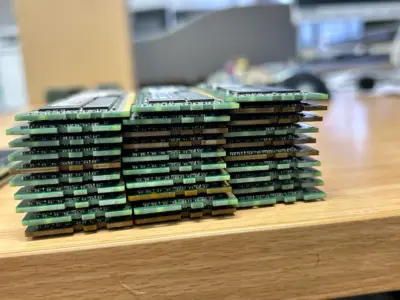
This efficiency gain has broader implications for the hardware market. By reducing the memory footprint of AI services, OpenAI shows that software optimization can counteract the price inflation caused by high demand for AI hardware. However, the source notes that this specific example cannot be extrapolated to all hardware platforms, so the results are specific to the Habitat service architecture.
OpenAI's Habitat now relies on Rust for the vast majority of its operations, with AI tools handling the heavy lifting of the rewrite. The 15x memory savings and 2x CPU boost are confirmed metrics for this specific service. This case study provides a concrete example of how AI can reduce hardware dependency through code optimization.

Discussion
0 comments
Log in to join the thread with a thoughtful take, question, or correction.