

DIY/upgrader PC builders are in for a rough couple of years ahead as DDR5 memory prices will continue to be high throughout 2027. TrendForce expects that overall PC DRAM supply will be going down next year in total despite the total number of shipments in the PC market going up. This means that the spot market for individual components is going to get even more limited and you're going to have a difficult time sourcing individual parts for upgrade at a reasonable price unless you're purchasing a prebuilt system.
TrendForce warns of shrinking PC DRAM supply as manufacturers pivot to server AI chips
This is due to a shift in strategy for the memory manufacturers as they're putting their focus on server and AI applications as they are far more profitable and in demand, causing manufacturers to shift focus towards enterprise grade memory rather than PC DRAM. This means there's less and less DDR5 available for the average consumer leaving a gap in the retail sector.
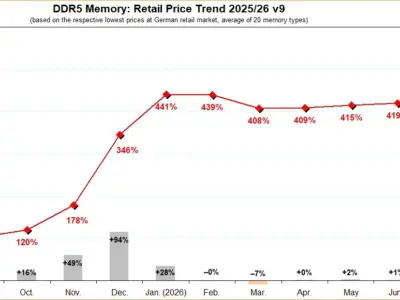
We can already see the indicator in the spot market as September has seen 32GB of DDR5 memory reach roughly 89,000JPY ($567) in Japan which is even higher than the peak we saw in January. This price trend confirms that the lack of supply isn't some imaginary thing as its actively causing the price of individual components to increase in key Asian countries.
The big OEMs such as Lenovo, HP and Dell are fairly safe from the effects of this issue for now as they've secured long term supply deals which means that the volatility of the spot market doesn't affect them. However, it means there's going to be a lower amount of supply for the greater public to draw from as we DIY guys will have to settle for what retail has in stock.
We've been following DDR5 Memory pretty closely. Check our previous article about DDR5 Memory Prices Tripled For DIY. It seems like although the industry is going up because of demand from the enterprise sector, there's a shortage problem from the supply side for PC. So if you're hoping to build/upgrade in 2027, you're going to have to deal with higher prices and less supply.

Discussion
0 comments
Log in to join the thread with a thoughtful take, question, or correction.