
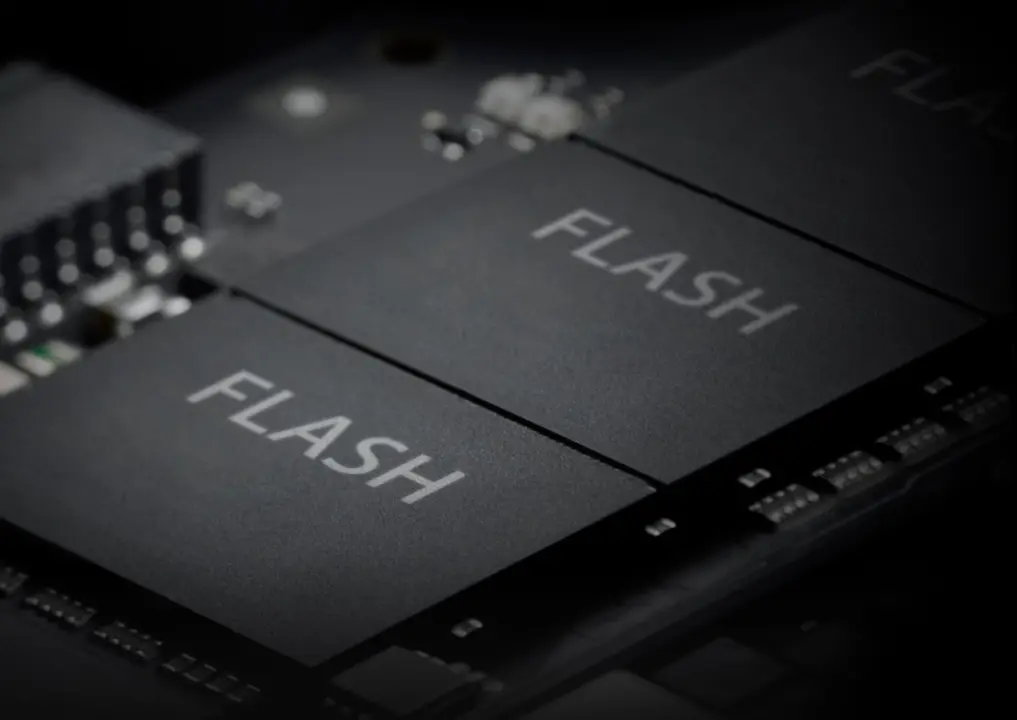
TrendForce has updated its global market demand outlook for memory and solid-state drive products with a downgrade. This signals that the recent upswing in prices that pinched consumer and enterprise budgets has peaked. This update is important because it could offer some reprieve for consumers and enterprises who have had to budget for sky-high costs this past year but this will be a slow recovery. TrendForce cites low consumer electronics demand and oversupply in certain areas as reasons for the turnaround.
TrendForce's updated global market demand outlook for memory and solid-state drive products with a downgrade
TrendForce's update covers all of the memory and solid-state drive supply chain that stretches from DRAM chips to NAND flash modules on the memory side and covers everything from smartphones to data centers. TrendForce notes that client SSD demand is suffering the most with a 10 percent forecasted drop. This is considered the biggest loser for all storage products in this current market cycle.
It's not just a matter of demand metrics though. There are some technical demand numbers that point to a lack of interest across the board for different hardware. Mobile DRAM demand is expected to contract by 0.6 percent while PC DRAM demand will dip by 0.8 percent. Overall NAND bit demand is forecast to contract by 3.2 percent mostly due to mobile NAND requirements dipping by 6.5 percent.
There are also inventory management issues and supply chain challenges at play in the enterprise side. Chinese cloud companies are lowering enterprise SSD orders due to GPU scarcity and existing high inventory levels. This is creating a cooling trend for industrial procurement that's not just limited to consumer electronics.
Price action also goes to show how the recent upswings for prices are now out of touch with current market conditions. We've already seen up to 20 percent price drops for NAND spot. NAND contract prices are expected to continue to drop in the second quarter of 2027. However, don't expect SSD prices that increased by 100 to 200 percent in the last year to fall back to 2023 lows overnight.
These numbers reveal a complex market where things won't just fall to their original price level overnight. Buyers should understand that there will be a long adjustment period as manufacturers navigate their inventory while also managing with the new lower demand cues. It's possible that the peak of the price hikes might be behind us, but we'll need a period of time before things settle in.

A ten percent drop in client SSD demand is significant. That signals enterprise buyers are holding off on upgrades until inventory normalizes. We might see some relief for budget builders by mid-next year.
good news for my wallet but bad news for the industry 🤔