
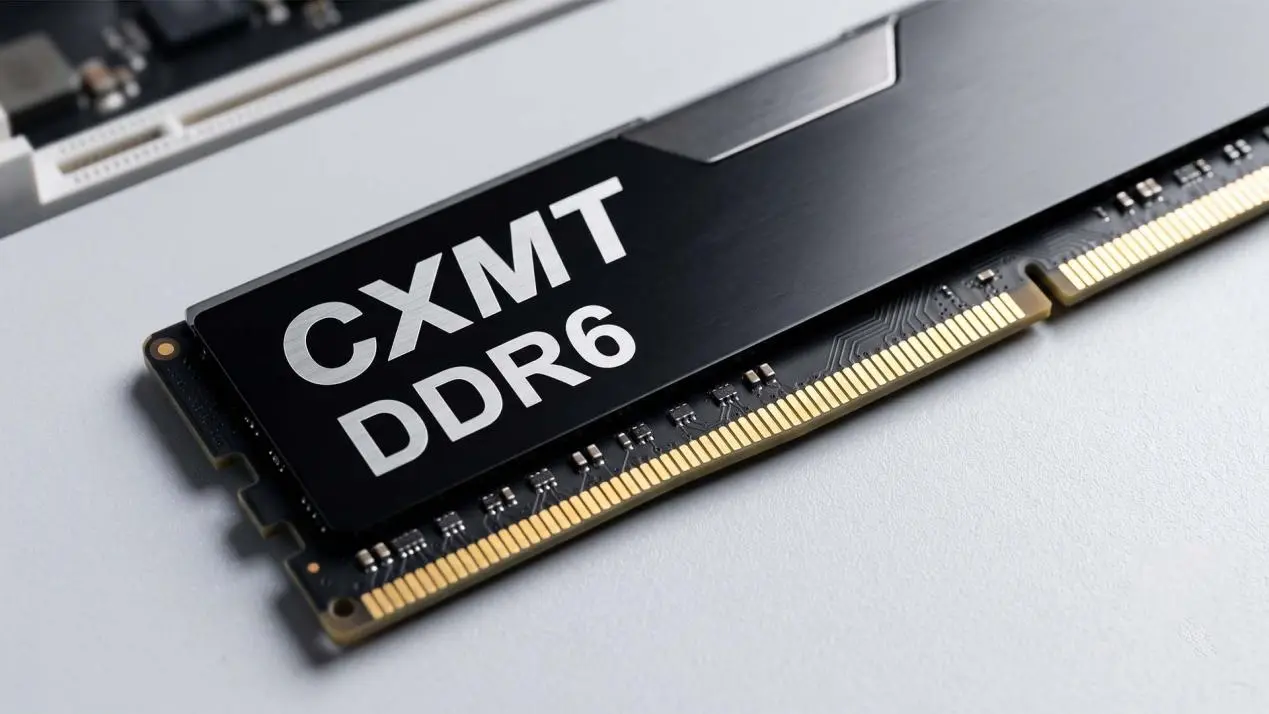
CXMT has begun sampling its new LPDDR6 memory chips, signaling a shift in the global DRAM landscape. This development matters because it introduces a new competitor to the memory market, potentially offering buyers alternative supply sources for next-generation devices. The move positions CXMT, currently the fourth largest DRAM manufacturer globally, to challenge established players with advanced technology.
CXMT begins sampling LPDDR6 chips with 12.8Gbps data rates
The new LPDDR6 specification operates at a data rate of 12.8Gbps, delivering higher bandwidth for mobile and embedded applications. CXMT holds approximately 7.7% to 8% of the global DRAM market share, with a monthly production capacity of 300,000 wafers at its Hefei base. This scale allows the company to support large-scale manufacturing while transitioning to more efficient packaging methods.
CXMT LPDDR6 Specifications
- Data Rate: 12.8Gbps
- Packaging: Panel-Level Packaging (PLP)
- Availability: Second half of 2026
- Market Share: 7.7% to 8%
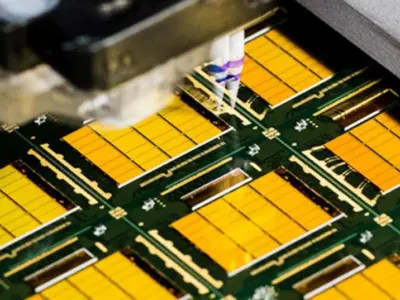
To support the new chips, CXMT is adopting Panel-Level Packaging (PLP) technology, moving away from traditional roll-to-roll processes. Hisense Electronics has been introduced as a new substrate supplier to facilitate this transition, having passed DDR5 substrate certification in the first quarter of 2026. This partnership aims to improve yield and support multi-layer designs required for high-performance memory.
Global mass production of LPDDR6 is expected to begin in the second half of 2026. In the meantime, Apple is reportedly testing CXMT memory chips, which could mark their formal entry into the top-tier supply chain if certification succeeds. We've been tracking LPDDR6 closely — see our earlier coverage on OpenAI Phone Leaks 2nm MediaTek SoC, for context on how these chips fit into upcoming devices.
CXMT's LPDDR6 sampling represents a concrete step toward broader market availability, with full commercial rollout targeted for late 2026. The company's focus on advanced packaging and new supplier partnerships underscores its strategy to increase competitiveness in the global DRAM market.
Discussion
0 comments
Log in to join the thread with a thoughtful take, question, or correction.