
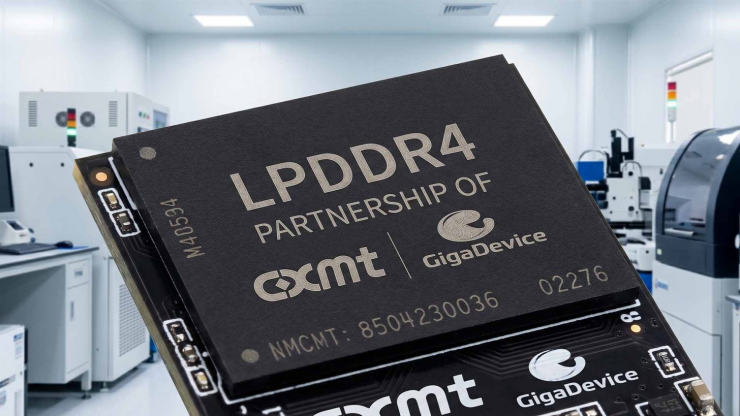
Memory buyers should brace for steeper costs as manufacturers shift production away from older chips to meet surging demand for high-bandwidth memory. Morgan Stanley forecasts that DDR4 prices will jump 50% in the third quarter of 2026, followed by another 10% increase in the fourth quarter. This shift directly impacts systems relying on mature memory technologies, as capacity for these chips shrinks while demand remains steady.
Manufacturers shift silicon wafers to high-bandwidth memory, tightening mature chip availability
The squeeze stems from a strategic reallocation of silicon wafers toward high-performance alternatives like HBM, DDR5, and high-layer NAND. HBM production consumes approximately three times more silicon wafers than traditional DRAM because it requires complex through-silicon via integration. Manufacturers are prioritizing these high-margin, high-demand products, which leaves less room for standard memory modules.
- DDR4 Price Forecast Q3 2026: +50%
- DDR4 Price Forecast Q4 2026: +10%
- SLC NAND Price Forecast Q3 2026: +50%
- SLC NAND Price Forecast Q4 2026: +50%
- DDR5 Spot Price Increase (August): +8%
SLC NAND faces similar pressure, with prices expected to rise more than 50% in both the third and fourth quarters of 2026. The broader memory market reflects this trend, as Bank of America reports that DDR5-5600/6400 24GB spot prices rose roughly 8% in August alone. This monthly increase brings the year-over-year price hike for DDR5 to approximately 483%.
UBS estimates that NVIDIA will consume about 251 billion Gb of HBM in 2027, accounting for a significant portion of the total industry supply of 615 billion Gb. This massive allocation drives the production shifts that are currently tightening the supply of older memory types. We looked at DDR4 Prices Hit 10-Year High at earlier while tracking these supply chain dynamics.
Confirmed price forecasts for DDR4 and SLC NAND indicate a sustained period of higher costs for mature memory components through the end of 2026. Buyers relying on these specific chip types should anticipate budget adjustments as supply constraints tighten further.

Discussion
0 comments
Log in to join the thread with a thoughtful take, question, or correction.