
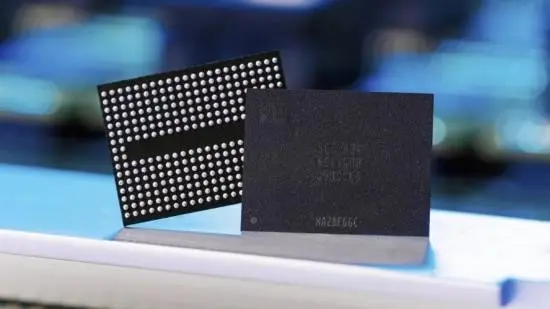
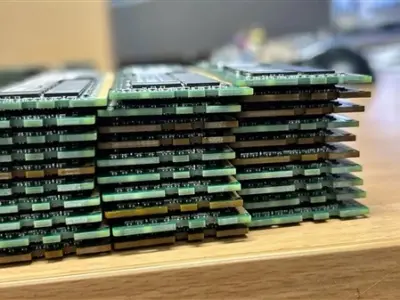
Memory and storage prices are set to remain elevated for years, a shift that directly impacts anyone building a PC or buying a laptop. TrendForce projects that the NAND flash shortage will ease by late 2027, but the DRAM crisis is far more severe and could last until 2030. This divergence means budget builders will see some relief in storage costs, while system integrators face persistent RAM price hikes.
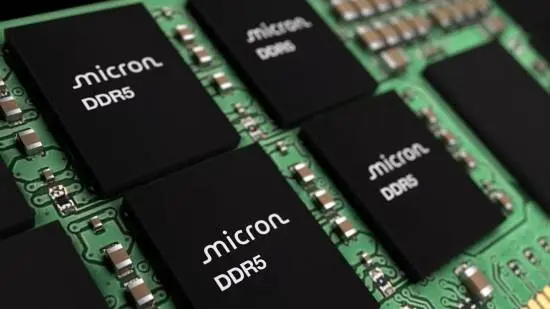
TrendForce projects severe DRAM deficits through 2030 while NAND supply balances by late 2027
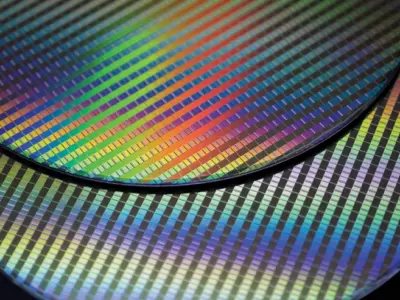
The analysis covers the global supply chains for NAND flash and DRAM, two critical components for everything from smartphones to data centers. TrendForce, a leading market research firm, outlines how AI infrastructure demand is reshaping these markets. The report highlights that while consumer demand remains weak, enterprise needs are driving significant capacity constraints.
- NAND Supply Gap 2026: 4% to 6%
- NAND Supply Balance: H2 2027
- DRAM Supply Coverage 2027: 60%
- DRAM Price Increase: Up to 89% in a single quarter
- DRAM Shortage Duration: Up to 10 years (until 2030)
NAND flash supply is expected to remain tight through 2026, with a projected gap of 4% to 6%. The imbalance should finally resolve in the second half of 2027 as production catches up with demand. In contrast, DRAM manufacturers will only meet about 60% of global demand by the end of 2027. This severe shortage has already triggered dramatic price increases, with contract prices surging up to 89% in a single quarter.
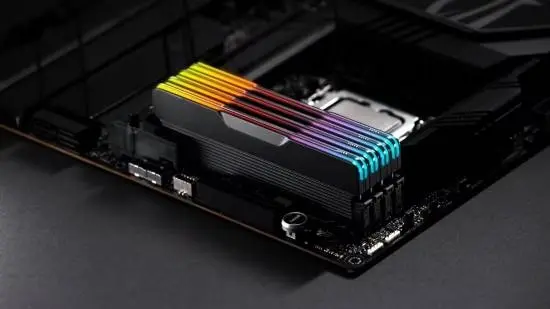
Industry executives from ADATA and SK Hynix have warned that the DRAM shortage could persist for up to ten years. They attribute this long-term deficit to the massive power required by AI infrastructure, which consumes a disproportionate share of memory production. Weak consumer demand for PCs and smartphones is currently suppressing upgrade plans, which helps stabilize the NAND market but does little to alleviate the DRAM crunch.
The final outcome for NAND depends on whether AI demand stays high and if consumer markets remain sluggish. DRAM prices will likely stay volatile as manufacturers prioritize high-margin AI memory over standard consumer RAM. Buyers should expect higher costs for systems with large amounts of RAM until production capacity expands significantly.
Discussion
0 comments
Log in to join the thread with a thoughtful take, question, or correction.