
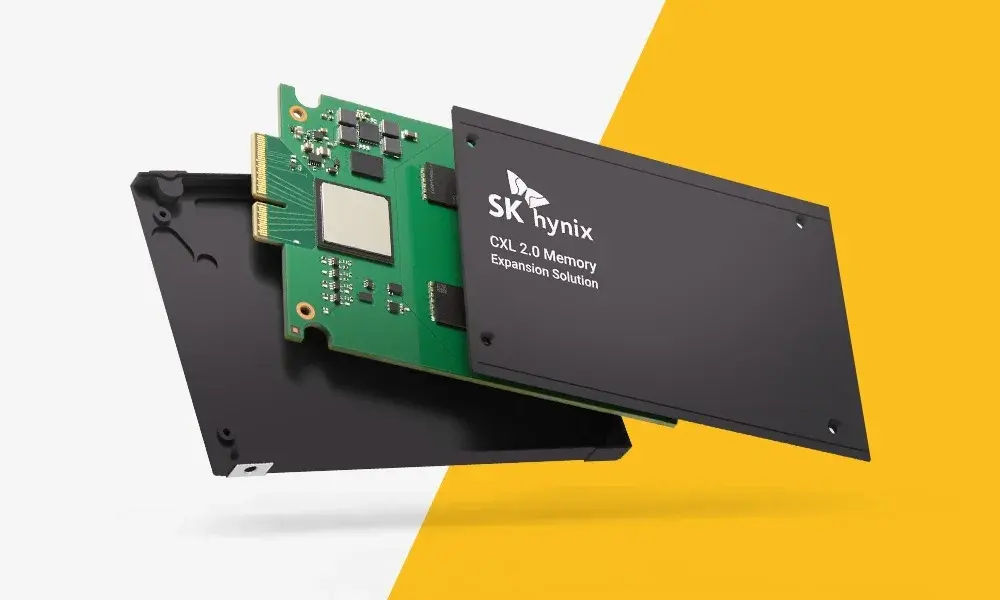
Intel has clarified that CXL technology will not replace High Bandwidth Memory (HBM) in AI systems. This distinction matters because it sets realistic expectations for buyers building large-scale machine learning infrastructure. The company is steering the industry away from viewing CXL as a direct substitute for the fastest memory tier.
Intel clarifies CXL role as secondary storage supplement for AI systems
Intel AI system-on-chip architecture lead Vidhya Thyagarajan stated that CXL and HBM are expected to form a complementary relationship. The two technologies serve different roles within the memory hierarchy rather than competing for the same workload. This positioning defines how manufacturers should integrate these components into their server designs.
CXL suffers from a significant bandwidth gap compared to HBM, making it unsuitable for high-speed GPU data transfer. The technology is positioned as a secondary storage supplement, filling the gap between DRAM and SSDs. This technical limitation prevents CXL from handling the intensive data streaming required by active AI model training.
OpenAI views CXL as suitable for storing inactive 'cold data' in large AI models, while 'hot data' remains in HBM. Samsung and SK Hynix are developing CXL-based products to act as an intermediate layer in the AI storage hierarchy. This configuration allows systems to expand capacity without sacrificing the performance of the primary memory tier.
Intel's statement confirms that CXL will function as a capacity expansion tool rather than a performance booster. Buyers should plan for CXL to handle archival or less frequently accessed model weights. The industry is moving toward a hybrid memory architecture that leverages the strengths of both technologies.

Discussion
0 comments
Log in to join the thread with a thoughtful take, question, or correction.