
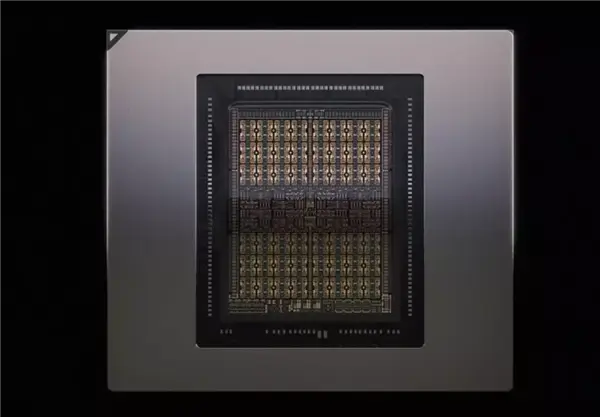
NVIDIA's next-generation RTX 60 series graphics cards will not reach the market until 2028, pushing back the timeline for high-performance gaming hardware by several years. This delay matters because it signals a structural shift in the industry where gaming GPUs are losing priority to artificial intelligence production needs. Buyers planning to upgrade soon will need to adjust their expectations or stick with current-generation cards for the foreseeable future.
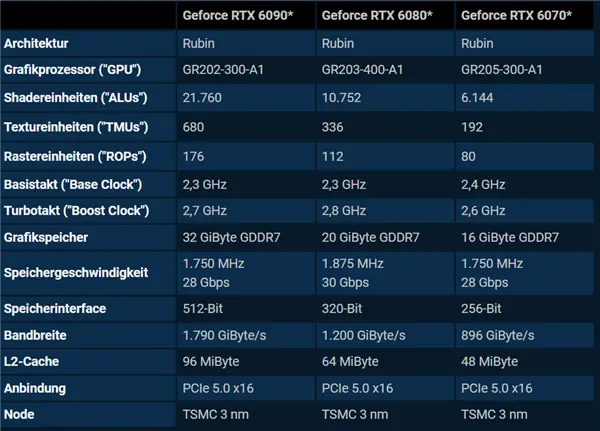
Leaked specs show powerful hardware, but production lines favor AI accelerators
The upcoming lineup includes the flagship RTX 6090, the mid-range RTX 6080, and the entry-level RTX 6070, each built on a new 3nm manufacturing process. Leaked specifications suggest the RTX 6090 will use the GR102 core, featuring 21760 CUDA cores and 32GB of VRAM on a 512-bit memory bus. The RTX 6080 is expected to utilize the GR203 core with 10752 CUDA cores and 20GB of VRAM, while the RTX 6070 will rely on the GR205 core with 6144 CUDA cores and 16GB of VRAM.
Spec comparison
| Spec | RTX 6090 | RTX 6080 | RTX 6070 |
|---|---|---|---|
| Core | GR102 | GR203 | GR205 |
| CUDA Cores | 21760 | 10752 | 6144 |
| VRAM | 32GB | 20GB | 16GB |
| Memory Bus | 512-bit | 320-bit | 256-bit |
| Manufacturing | 3nm | 3nm | 3nm |
Performance projections indicate that the RTX 60 series will see a 30-35% increase in rasterization performance compared to previous generations. Ray tracing capabilities may potentially double due to upgrades in AI and ray tracing technology. These improvements aim to address the growing demands of modern gaming workloads, although the long wait for these features remains a significant hurdle for enthusiasts.
The delay stems from a combination of factors, including prioritization of AI production capacity and surging memory prices that have not yet stabilized. Production lines are likely to favor AI accelerators over gaming cards, leaving gamers with fewer new options in the near term. This situation highlights the tension between the booming AI sector and traditional consumer gaming hardware markets.
Discussion
0 comments
Log in to join the thread with a thoughtful take, question, or correction.