
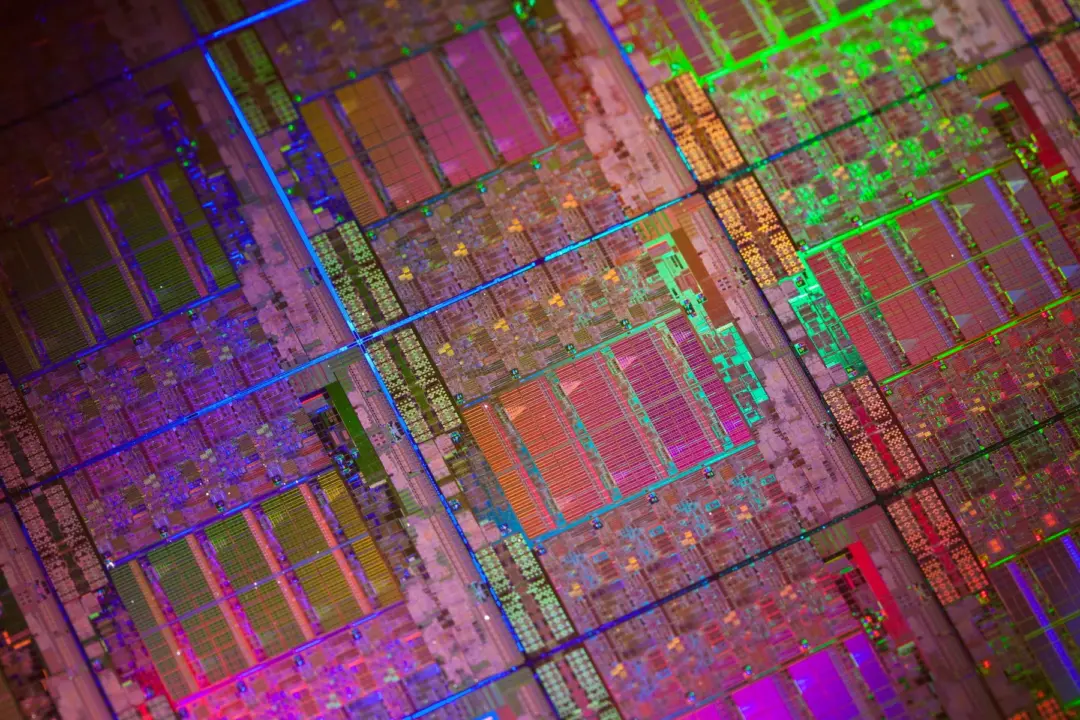
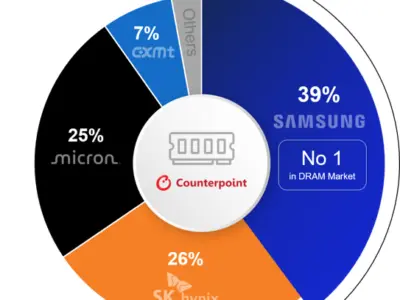
South Korean President Lee Jae-myung announced an 800 trillion KRW investment plan to double DRAM wafer capacity by 2030. This massive capital commitment aims to secure the nation's dominance in the global memory chip market. Buyers and industry watchers should note that this pledge targets Samsung and SK Hynix, which currently hold over 50% of the global DRAM share. The announcement comes as memory stocks face volatility, with Micron dropping 15% in a single week on oversupply fears.
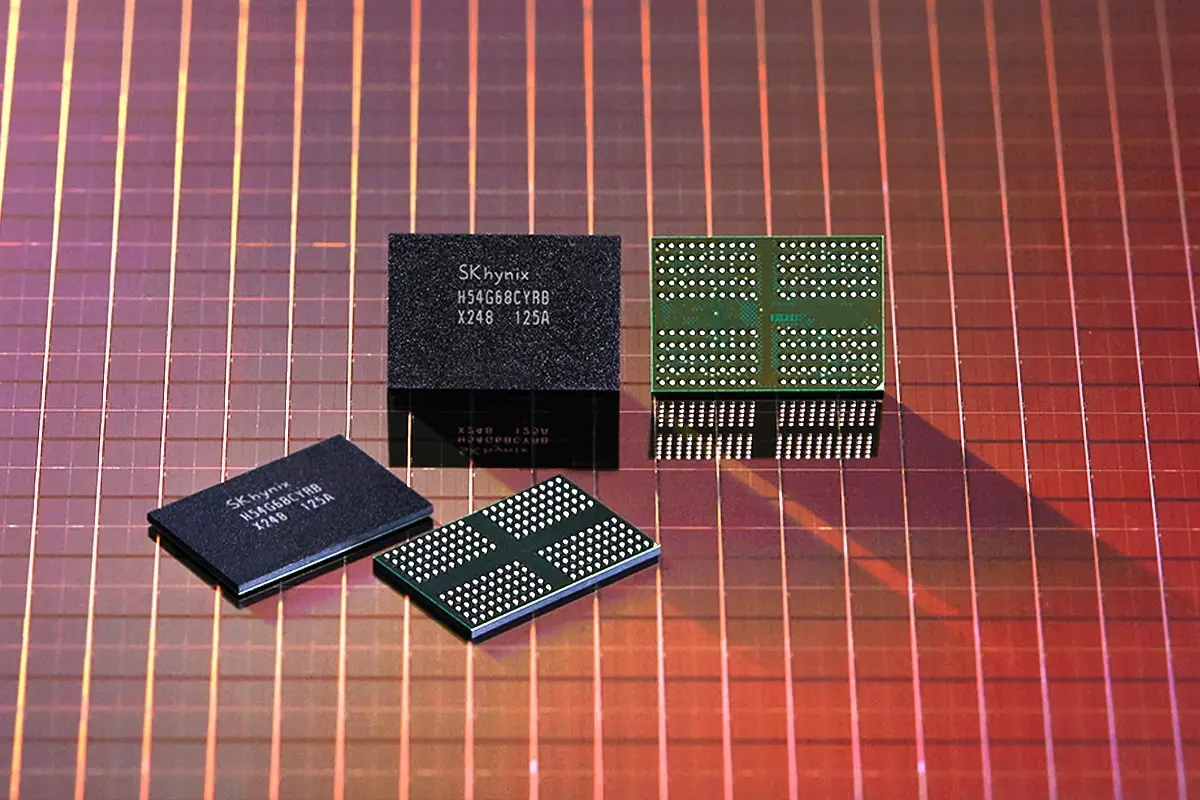
South Korean government investment targets Samsung and SK Hynix
The plan relies on Samsung and SK Hynix to expand their joint DRAM wafer production. These two vendors already command over 80% of the high-bandwidth memory (HBM) market, a critical component for AI servers. The government intends to support this expansion through infrastructure development in Gwangju and Jeolla provinces. However, the scale of the investment raises questions about the actual pace of new factory construction.
- Investment Amount: 800 trillion KRW
- Target Capacity Growth: Double DRAM wafer capacity by 2030
- Projected CAGR: Approximately 15% annually
- Net Capacity Expansion Rate: Less than 10% annually
- Infrastructure Timeline: Over 10 years
Bank of America analysts project that the 15% annual compound growth rate required to meet the 2030 target is misleading. They argue that net capacity growth will likely remain below 10% annually due to existing factory closures and process shrinkage. A Taiwanese memory industry insider estimates that foundation work alone takes five years. Cleanroom and equipment installation will require an additional three to four years, pushing the full ecosystem setup beyond a decade.
Micron is pursuing a different strategy with a $9.3 billion HBM expansion in Japan that ships in two years. This contrast highlights the varying timelines and regional approaches to memory supply chain resilience. The South Korean plan faces political risks, as analysts suggest it may not complete before the current administration's term ends. Supply chain rumors also indicate SK Hynix might only achieve one-sixth of its planned new capacity by 2028.
The market reaction suggests skepticism toward the immediate impact of the South Korean investment. Memory stocks have dropped sharply as investors weigh the long infrastructure timeline against short-term demand. The 800 trillion KRW pledge represents a long-term strategic bet rather than an immediate supply boost. Hardware manufacturers will likely see limited capacity changes in the near term due to these decade-long construction cycles.
Discussion
0 comments
Log in to join the thread with a thoughtful take, question, or correction.