
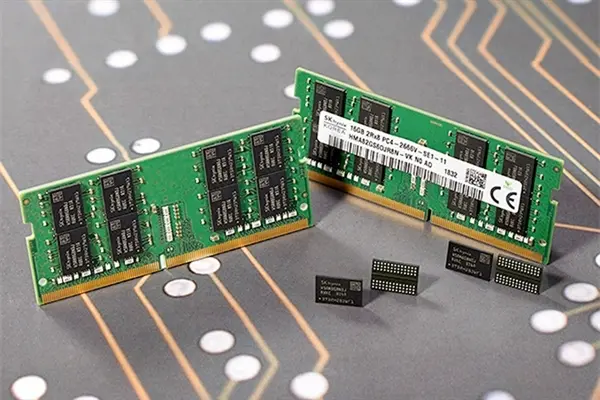
Samsung Electronics reported a massive surge in second-quarter earnings, driven by soaring demand for memory chips used in artificial intelligence systems. The semiconductor giant posted an operating profit of 89.4 trillion Korean won, which marks a 1810 percent increase from the same period last year. Total sales reached 171 trillion won, reflecting a 129 percent year-over-year jump. This financial performance significantly exceeded the market consensus estimate of 84.2 trillion won in operating profit.
AI demand drives memory prices up 44% and 53% quarter-over-quarter
The profit explosion stems directly from sharp price hikes in the company's core memory products. DRAM average prices climbed 44 percent quarter-over-quarter, while NAND flash prices surged by 53 percent during the same period. These price increases were fueled by intense industry demand for high-bandwidth memory and server-grade storage solutions. The AI boom created a bottleneck in supply that allowed manufacturers to raise prices substantially.
Samsung's financial results highlight the critical role of memory chips in the current hardware landscape. The company's growth was driven by three key segments: high-bandwidth memory for AI accelerators, server DRAM for data centers, and consumer NAND storage. These components are essential for training large language models and powering enterprise infrastructure. The price elasticity in this market demonstrates how quickly supply constraints can impact vendor profitability.
Industry analysts warn that the current supply-demand imbalance may not resolve in the near future. Predictions suggest that memory shortages could persist through 2027 as demand continues to outpace production capacity. This extended timeline means that price stability is unlikely to return quickly for enterprise and consumer storage products. Buyers and system integrators should anticipate continued volatility in memory component costs for the foreseeable future.
Samsung's Q2 earnings confirm that AI-driven memory demand is a primary driver of hardware vendor revenue. The 1810 percent profit increase validates the strategic shift toward high-value storage solutions. Market participants should monitor supply chain indicators to gauge future pricing trends. The data suggests that memory scarcity remains a defining characteristic of the current hardware cycle.
Discussion
0 comments
Log in to join the thread with a thoughtful take, question, or correction.