
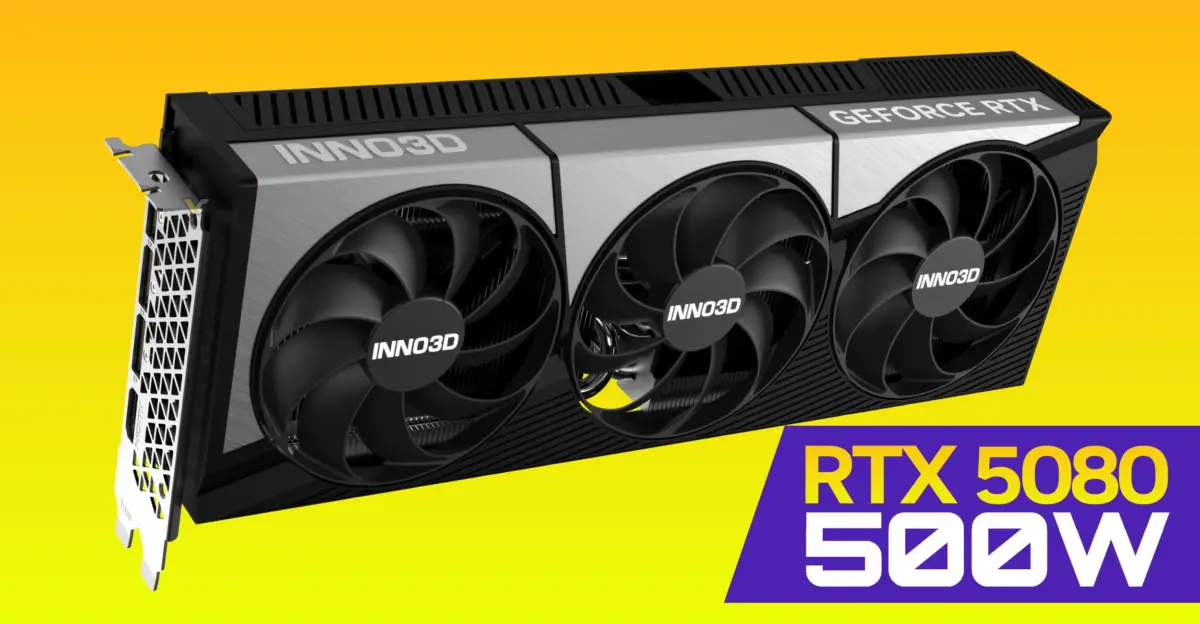
There is a new software that makes it possible to load custom video BIOS images into NVIDIA GPUs without flashing the hardware firmware itself. This is important as it opens up more possibilities for advanced users to go over and out of spec on power limits and voltages. How does it work?
Software tool bypasses firmware flashing to unlock extreme power settings
The custom video BIOS image is loaded during the system boot process using a Windows registry override or custom Linux kernel module to override the boot. Your video card's firmware stays unchanged, yet it loads your custom video BIOS image.
This custom video BIOS loader software works with NVIDIA GeForce RTX 50, 40, 30 Series GPUs. You can modify power limits, voltage limits, clock offsets, fan profiles. The Windows BIOS loader is compatible with current NVIDIA drivers (616.56 and up for 616.x and 617.x branch).
The Linux custom BIOS loader is designed for the 615.x driver branch. So, the support is quite wide and covers many newer and older hardware.
High-end GPUs show a notable increase in power limits. RTX 5090 GPU power limit was increased to 800W (up from 600W). RTX 5080 GPU power limit was increased to 500W (up from 360W).
We've tested RTX 4090 with 671W power limit (from 550W). Professional GPUs showed power limit increases as well. RTX PRO 6000 Blackwell Max-Q increased from 325W to 600W. RTX PRO 4000 Blackwell SFF increased from 70W to 105W.
Other professional and entry-level GPUs also got power limit increases. RTX 2000 Ada got from 70W to 105W. RTX A2000 (Ampere) increased from 70W to 105W.
This custom video BIOS loader software is for advanced users who are aware of risks like instability and possibly hardware damage. It is possible for NVIDIA to block this override feature in the future with a driver update. However, this software alternative to traditional VBIOS flashing is nice as it is reversible.
There were a lot of similar stability/balance topics in the last NVIDIA GeForce RTX 50/40/30 Series GPUs update when we covered it. And now, we have this new software option that adds more hardware customization options for enthusiasts. This way, you can experiment with very high power settings without permanent hardware modifications. It shows more and more interest in deep hardware tweaking with more tools like this appearing.

Discussion
0 comments
Log in to join the thread with a thoughtful take, question, or correction.