
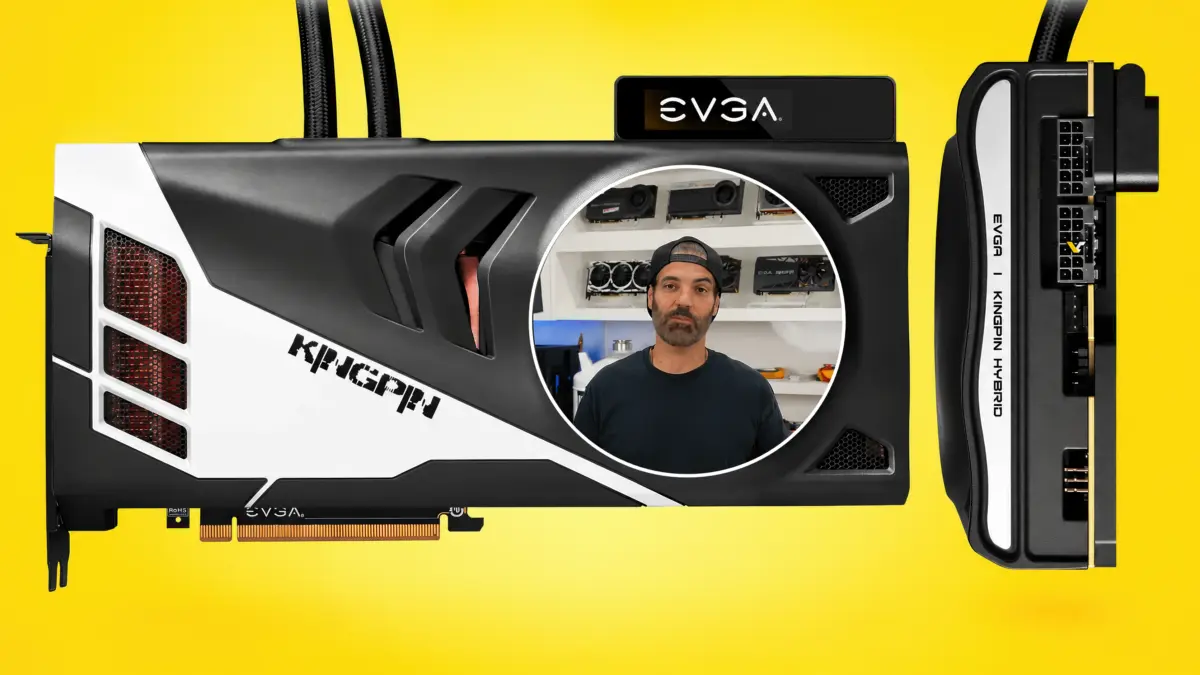
EVGA's GeForce RTX 3090 Ti KINGPIN launched with a design choice that directly defied NVIDIA's initial manufacturing mandate. The graphics card features two 16-pin 12VHPWR power connectors instead of the single connector NVIDIA attempted to impose. This deviation matters because it highlights the extreme power requirements of high-end overclocking hardware and the friction between custom board partners and chipmakers. Buyers interested in legacy enthusiast GPUs should note that this specific configuration was a point of contention that ultimately shaped the card's production history.
EVGA retained dual connectors to support extreme overclocking despite NVIDIA mandates
The conflict centered on the power delivery specifications for the RTX 3090 Ti KINGPIN. NVIDIA sought to standardize the card around a single 12VHPWR connector during the final stages of development. EVGA rejected this requirement to maintain the thermal and electrical headroom necessary for extreme overclocking performance. The board partner prioritized the functional needs of the KINGPIN series over the standardization push from the chip designer.
Vince Lucido, known as KINGPIN, stated that NVIDIA's attempt to force a single connector severely disrupted the production timeline. He explained that the disagreement resulted in a severely limited production run of the card. The final hardware specification retained dual 16-pin 12VHPWR connectors to accommodate the card's power demands. This design decision ensured the card could support the high power states required by its overclocking targets.
The production delays and limited availability of the RTX 3090 Ti KINGPIN contributed to the broader strain between EVGA and NVIDIA. Lucido noted that customers spending over $5,000 on a graphics card should have the freedom to choose their power configuration. The partnership between the two companies eventually ended, with EVGA exiting the dedicated graphics card business in September 2022. The RTX 3090 Ti KINGPIN remains a distinct example of this specific hardware conflict.
Discussion
0 comments
Log in to join the thread with a thoughtful take, question, or correction.