
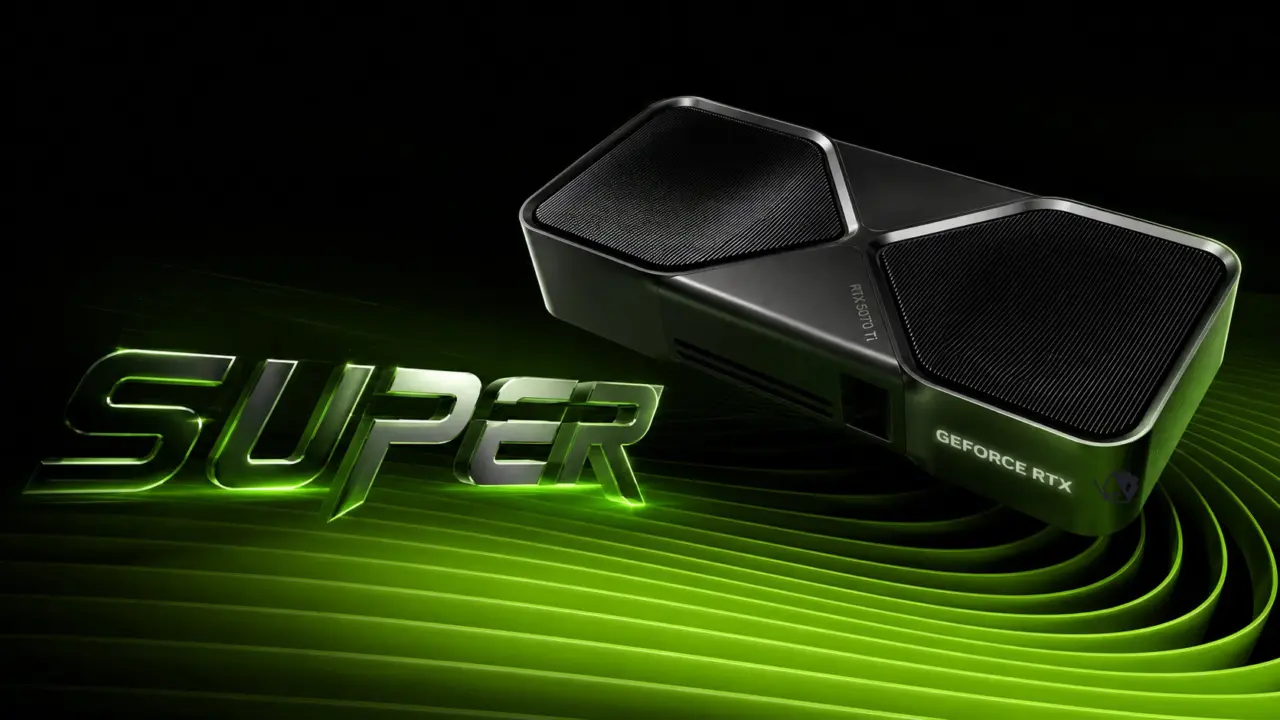
NVIDIA has paused the retail launch of its GeForce RTX 50 SUPER graphics cards, a decision that delays upgrades for PC builders waiting for the next generation of gaming hardware. The company shipped the GPUs to its AIB partners but instructed them to hold sales until the supply chain stabilizes. This delay matters to buyers because it extends the life of current-generation cards and shifts the timeline for adopting GDDR7-based systems. We track these shifts closely because component costs often dictate when new hardware actually reaches the market.
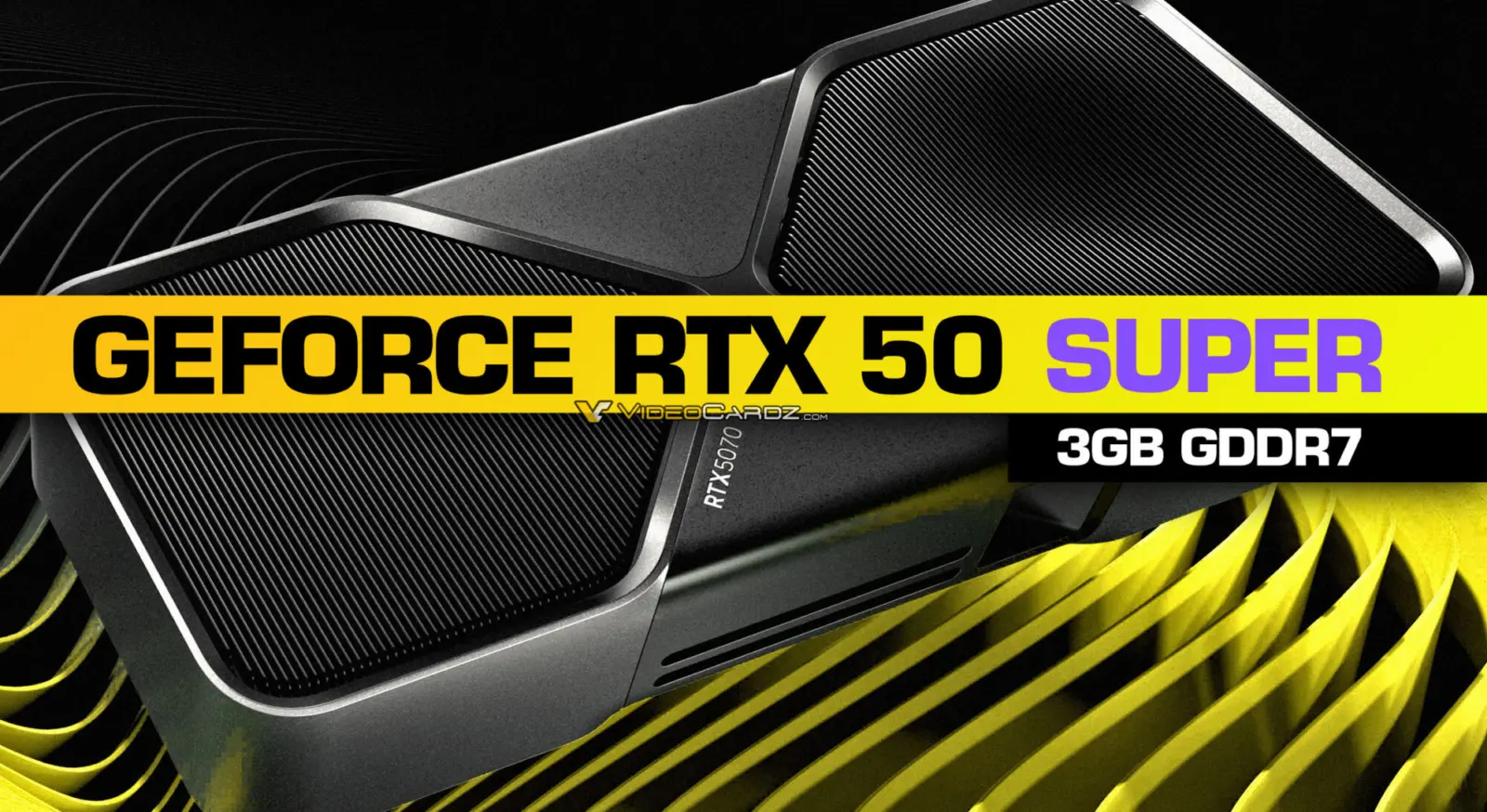
GDDR7 chip costs force NVIDIA to pause RTX 50 SUPER sales
The delay centers on the memory architecture used in the RTX 5080 SUPER, RTX 5070 Ti SUPER, and RTX 5070 SUPER models. NVIDIA planned to equip these cards with 3GB GDDR7 memory chips per module to boost bandwidth and performance. The RTX 5080 SUPER and RTX 5070 Ti SUPER are expected to carry 24GB of this memory, while the RTX 5070 SUPER will feature 18GB. This configuration represents a significant step up from previous generations but introduces a new cost bottleneck.
- RTX 5080 SUPER TDP: 415W
- RTX 5070 Ti SUPER TDP: 350W
- RTX 5070 SUPER TDP: 275W
- RTX 5080 SUPER VRAM: 24GB GDDR7
- RTX 5070 Ti SUPER VRAM: 24GB GDDR7
The core issue driving the delay is the steep price of the 3GB GDDR7 memory chips. Each 3GB unit costs between $60 and $70 to procure, a sharp increase from the $20 cost of the 2GB GDDR7 chips used in earlier designs. NVIDIA has set specific thermal design power targets for the lineup, with the RTX 5080 SUPER rated at 415W, the RTX 5070 Ti SUPER at 350W, and the RTX 5070 SUPER at 275W. These power specifications reflect the high performance NVIDIA intended, but the memory costs have forced a strategic pause.
The high cost of GDDR7 memory has also impacted the broader RTX 50 series roadmap. The RTX 5050 9GB project is likely cancelled or paused due to similar financial constraints. Meanwhile, NVIDIA has resumed production of the older RTX 3060 12GB to fill the gap in the mid-range market. We looked at GIGABYTE RTX 5070 INFINITY Specs earlier while tracking Nvidia launches, but current supply issues mean those cards are not yet available for purchase. The company is navigating a persistent DRAM shortage as manufacturers prioritize AI-focused storage solutions.
NVIDIA has not provided a new release date for the RTX 50 SUPER lineup, leaving the timeline uncertain. Previous estimates suggested a launch as early as CES 2026 or early 2027, but the current delay pushes those expectations further out. Buyers looking for the latest GPU technology will need to wait until the memory cost situation resolves. The company is currently balancing production of legacy cards with the development of its next-generation architecture.

Discussion
0 comments
Log in to join the thread with a thoughtful take, question, or correction.