
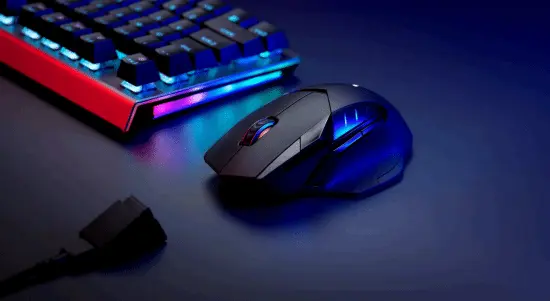
Tencent Games has drawn a hard line in the sand against mouse macros, officially classifying them as cheating software across its entire portfolio of competitive titles. This policy shift matters because it targets a gray area many players use to gain an edge in recoil control and complex action chains. This policy update reflects a stricter stance on ensuring fair competition in multiplayer games.
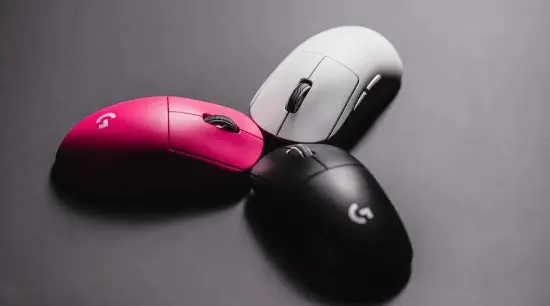
New policy targets CrossFire and Game for Peace players using automated input
The anti-cheat update applies to major Tencent titles including CrossFire, Delta Force, and Game for Peace. Tencent's Game Security Center now treats both hardware and software-based macros as violations of fair play rules. The new rules eliminate previous uncertainties regarding macro usage across all game modes.
Detection relies on AI behavior monitoring systems that flag automated input patterns inconsistent with human performance. Penalties for confirmed macro use can reach a ten-year account suspension for severe or repeated offenses. Tencent argues that macros provide an unfair advantage by stabilizing actions that human hands cannot replicate consistently.
Player reaction is sharply divided, with some supporting the crackdown to protect competitive integrity while others view the rule as overly harsh. Critics point out that macros are sometimes used for convenience or in player-versus-environment modes where they do not impact matchmaking. Enforcement relies on automated systems instead of manual reviews for individual cases.
This change represents a major step in Tencent's ongoing efforts to improve its gaming environment. Players must now ensure their input devices do not trigger automated cheating flags. The company maintains that this stance is necessary to preserve the integrity of its competitive games.

Discussion
0 comments
Log in to join the thread with a thoughtful take, question, or correction.