
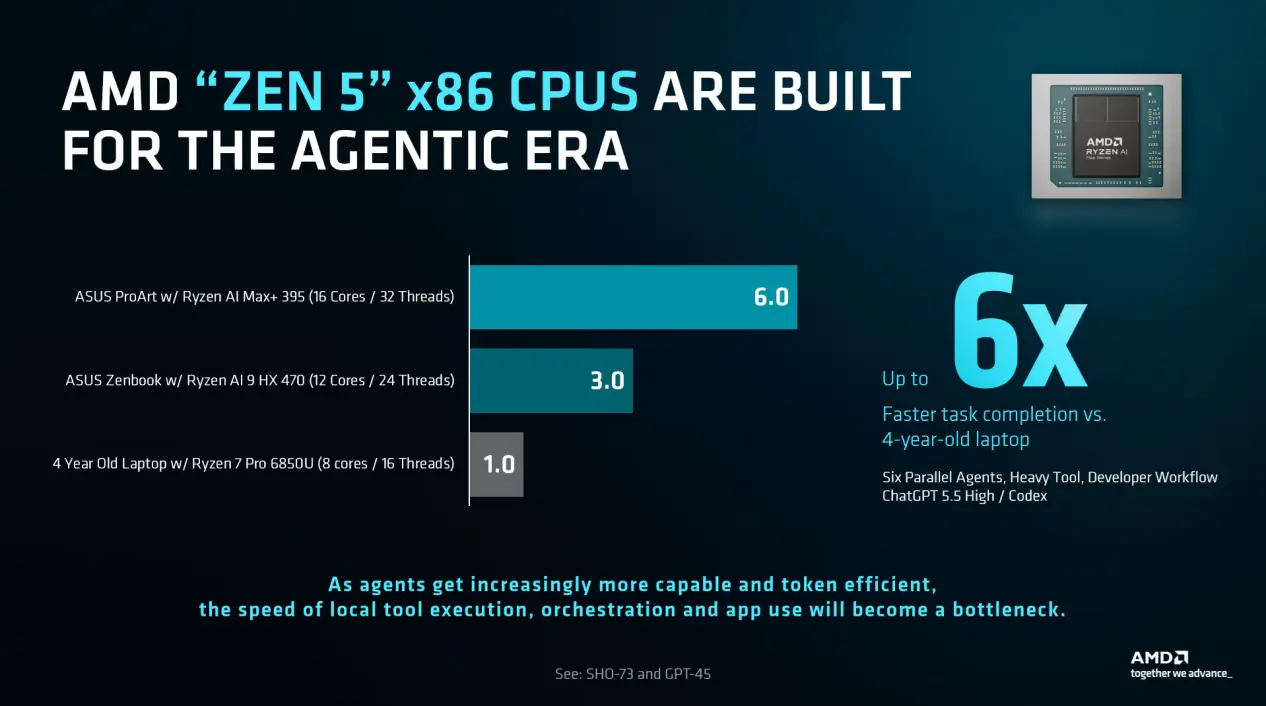
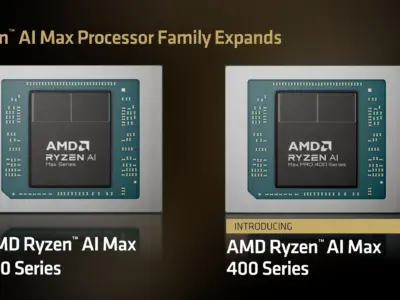
AMD is shifting the focus of AI processing from graphics chips to central processors with its new Ryzen AI Max+ architecture. This change matters because it redefines how laptops handle complex AI agent tasks, prioritizing CPU orchestration over traditional GPU matrix operations. Buyers should note that this architecture targets devices requiring heavy local reasoning and coordination for AI workflows.
Zen 5 architecture shifts AI agent orchestration from GPU to CPU
The Ryzen AI Max+ processor integrates a Zen 5 CPU core, an RDNA 3.5 integrated GPU, and an XDNA 2 NPU. This combination allows the system to handle up to 60 TOPS of local AI compute power. AMD positions this chip as a solution for laptops that need to manage AI agent workloads efficiently without relying solely on external hardware.
Key Specifications
- Zen 5 IPC Improvement: Up to 37%
- EPYC 9005 Max Cores: 192
- Integrated GPU Architecture: RDNA 3.5
- Integrated NPU Architecture: XDNA 2
- Local AI Compute Power: Up to 60 TOPS
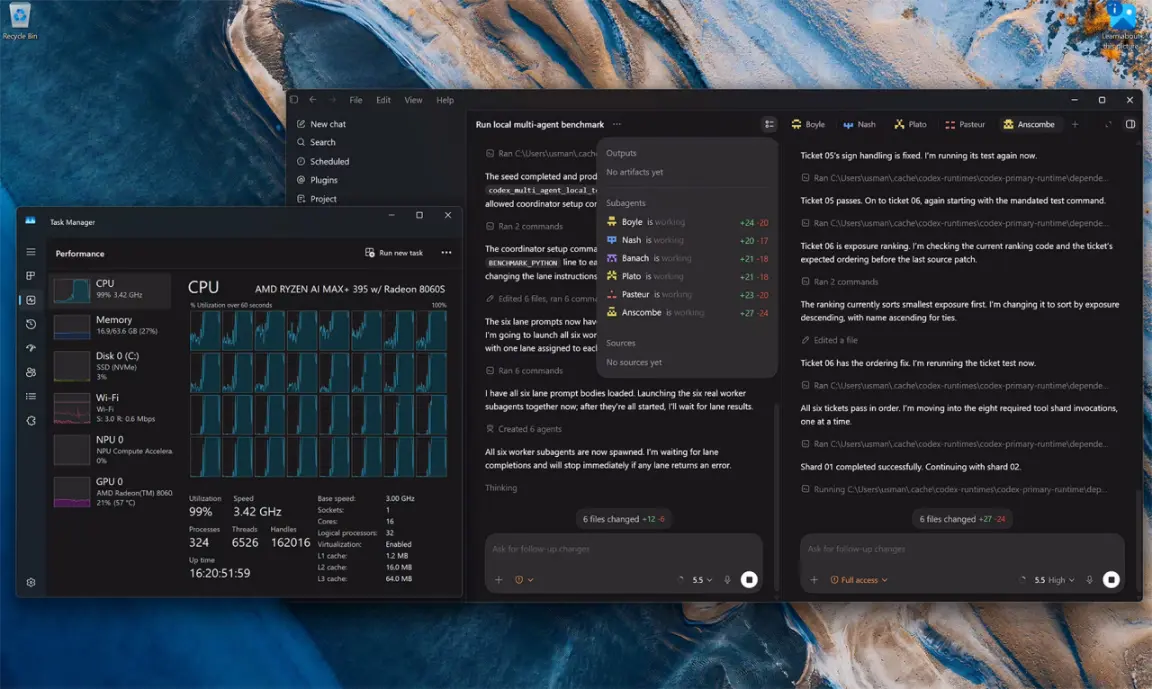
AMD claims that Zen 5 architecture delivers up to 37% improvement in instructions per clock cycle compared to previous generations. In practical AI agent workloads, this translates to a sixfold increase in CPU throughput when compared to processors from four years ago. The company highlights that agent-type AI tasks generate CPU workloads approximately four times heavier than traditional tasks due to the need for orchestration and logical reasoning.
AMD CTO Mark Papermaster explains that agents require orchestration and logical reasoning, which are completed on the CPU before being handed over to the GPU for matrix operations. He states, "CPU workloads for agent-type AI are about 4 times that of traditional tasks because agents require orchestration and logical reasoning, which are completed on the CPU before being handed over to the GPU for matrix operations." This technical breakdown clarifies why the new Zen 5 CPU gains are critical for modern AI applications.
The Ryzen AI Max+ processor represents a significant step in local AI processing by emphasizing CPU capabilities alongside GPU and NPU integration. AMD confirms that Zen 5 architecture provides up to 37% IPC improvement and supports up to 192 cores in the EPYC 9005 series. Laptops equipped with this chip will see up to 6x CPU throughput increase for AI agents compared to older models.
Discussion
0 comments
Log in to join the thread with a thoughtful take, question, or correction.