
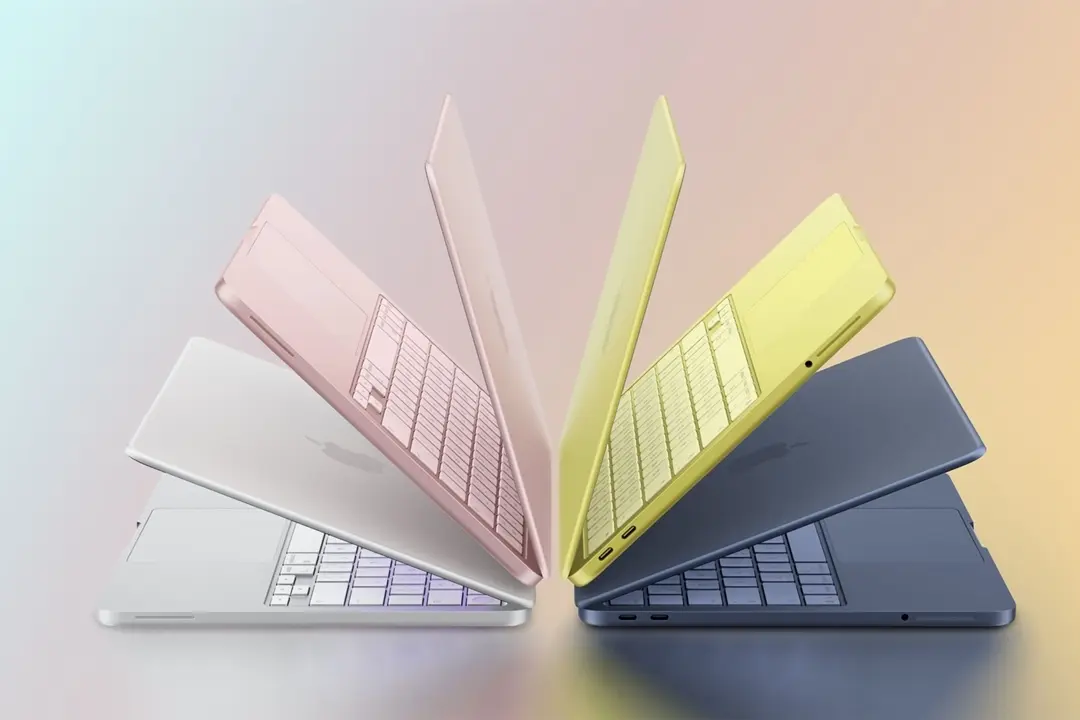
China's online laptop market faced a sharp contraction in the first half of 2026, with sales volume dropping 12.1% year-over-year to 5.57 million units. This decline matters because it signals a shift in consumer behavior driven by subsidy exhaustion and component cost spikes rather than simple demand weakness. Buyers are now facing higher average prices even as total market revenue fell 4.9% to 39.7 billion RMB. The average selling price rose 8.2% to 7,120 RMB (around $1,055), reflecting a market where consumers are paying more for fewer devices.
Average selling price rises 8.2% to 7,120 yuan as component costs surge
Lenovo maintained its dominant position in this challenging environment, capturing approximately 33% of the online market share. This lead nearly doubled Apple's share, highlighting Lenovo's advantage in covering the full price range from budget to premium segments. The company's supply chain control allowed it to navigate the volatility that squeezed smaller competitors. This concentration benefits Lenovo as it leverages scale to absorb component cost increases that smaller brands cannot.
Three primary factors drove the market contraction this year. First, the exhaustion of 2025 government subsidy demand reduced the pool of price-sensitive buyers. Second, Windows 10 end-of-life concerns prompted some users to upgrade early, depleting near-term demand. Third, component costs surged dramatically, with DRAM and SSD prices tripling from their 2025 lows due to AI server demand. Intel CPU prices also rose while low-end capacity was cut, forcing manufacturers to raise prices or reduce margins.
Market concentration increased significantly, with the top five brands holding 82.3% of the market, an increase of 11 points year-over-year. The leaders were Lenovo, Apple, ASUS, Mechrevo, and HP. This consolidation suggests that smaller players are losing ground as the market becomes more expensive and competitive. We've been tracking Laptop closely — see our earlier coverage on China Laptop Sales Hit Worst Q1. The data confirms that the market is stabilizing around a few major players who can withstand cost pressures.
The market outcome shows that while volume dropped, the average transaction value increased due to structural cost pressures. Lenovo's 33% share demonstrates its ability to maintain leadership despite the headwinds. The industry is now focused on managing component costs and navigating the post-subsidy landscape. Consumers should expect higher prices as DRAM and SSD costs remain elevated.
Discussion
0 comments
Log in to join the thread with a thoughtful take, question, or correction.