
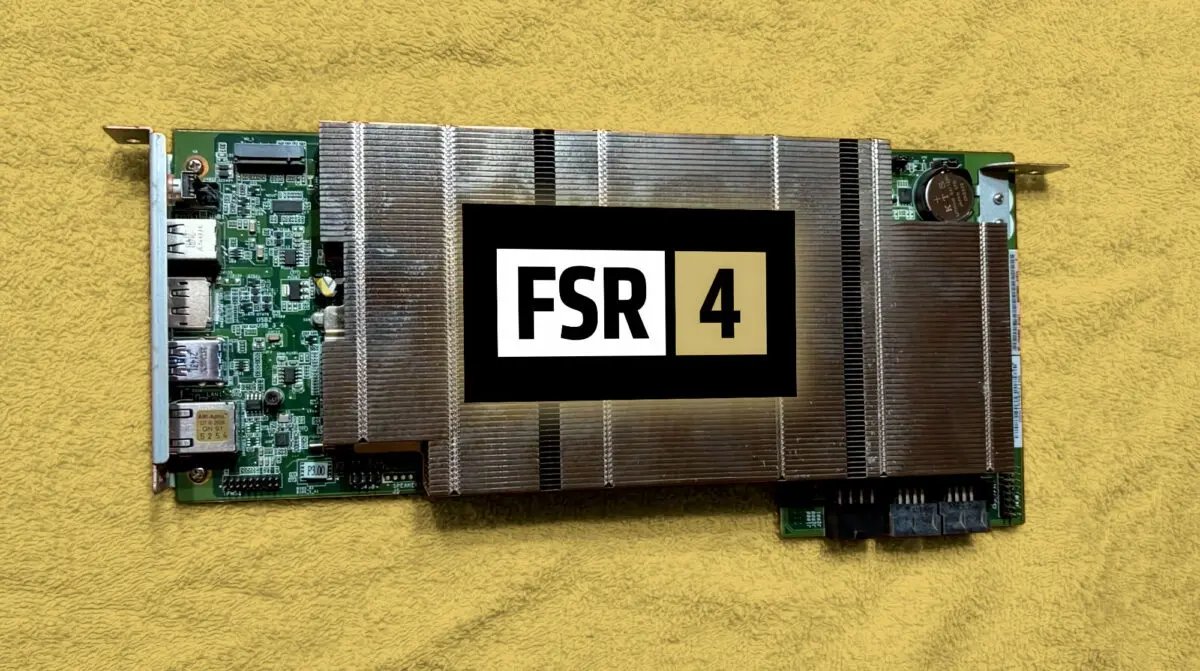
A community of developers has successfully adapted FSR 4 technology for the AMD BC-250, turning defective PlayStation 5 chips into functional gaming hardware. This modification allows users to run modern upscaling features on hardware that was originally designed for cryptocurrency mining. Buyers looking for budget gaming solutions can now access these modified boards for approximately $170.
Community drivers cut graphics processing time by over 50 percent on modified hardware
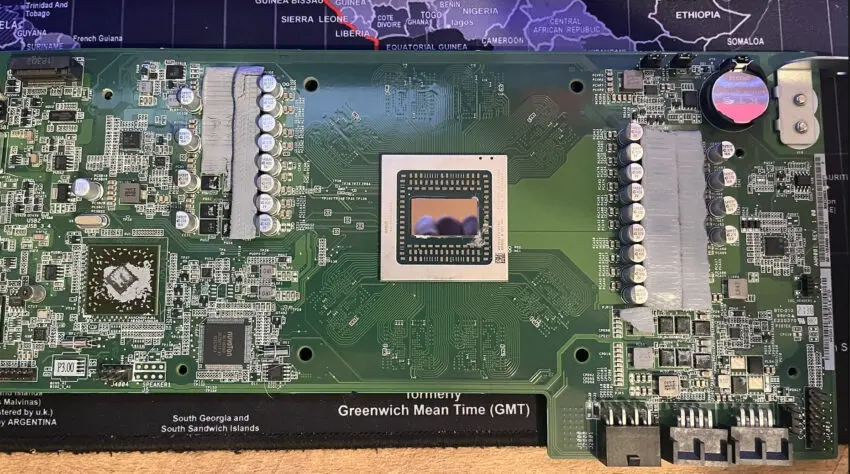
The AMD BC-250 is a professional mining card built using defective chips recovered from PlayStation 5 consoles. It features an 8-core Zen 2 CPU and 40 groups of RDNA 2 compute units. The device lacks official software support from AMD and requires significant community-driven modifications to function as a gaming host.
Community developers created custom firmware and OS configurations to make the BC-250 compatible with Linux gaming environments. The key to this adaptation is the v4.0.0-rc9 driver released by the GitHub community. This driver enables the card to process graphics with significantly reduced latency compared to previous attempts.
Performance tests show that the FSR 4 optimization reduces graphics processing time by over 50% on this hardware. At 1440p resolution, the absolute processing time for FSR dropped from 11.51ms to 5.92ms. These results demonstrate that the modified mining cards can handle modern gaming workloads when paired with the right software stack.
We looked at DLSS Unlocked Mod Brings DLSS 5 earlier while tracking Amd launches. The BC-250 is currently available on the second-hand market for around $170. This project highlights how obsolete hardware can be repurposed through open-source development when official support is unavailable.
Discussion
0 comments
Log in to join the thread with a thoughtful take, question, or correction.