
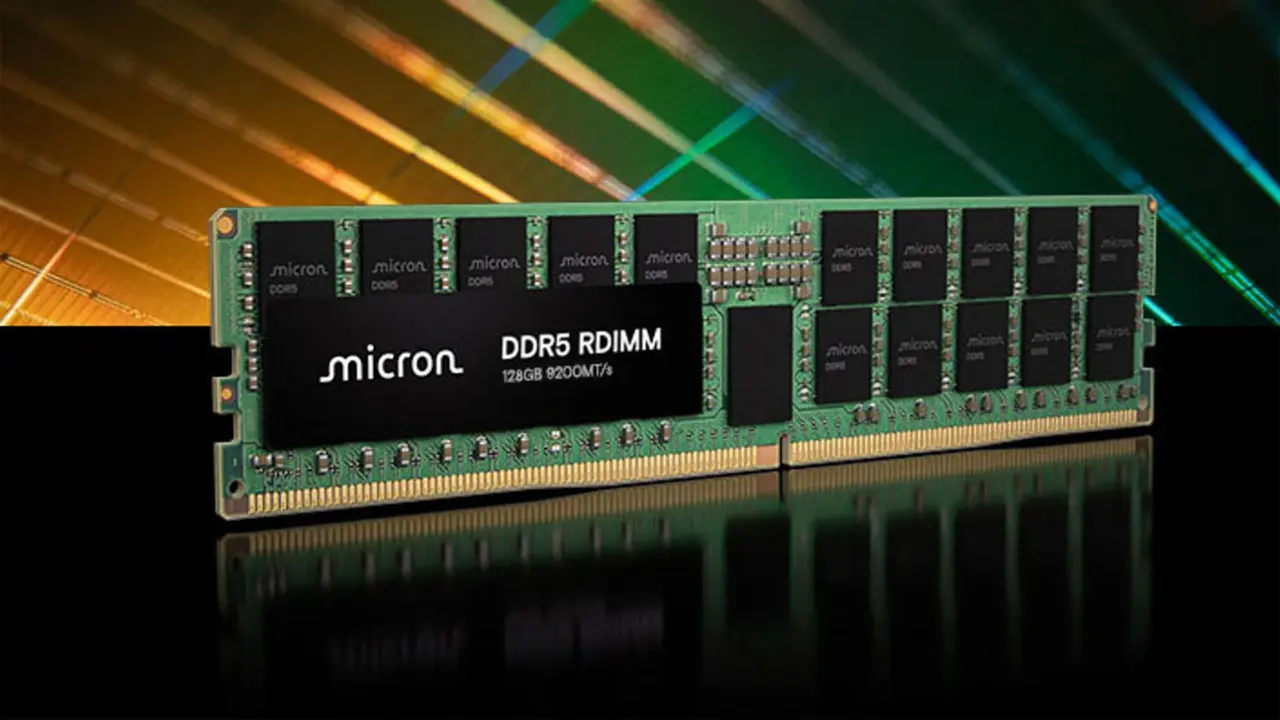
UBS projects that memory costs will dominate AI spending by 2027, shifting the economic focus away from traditional processors. This trend means that memory manufacturers are positioned to capture the majority of capital expenditure in the AI sector. Buyers and investors should monitor this shift as it redefines the value chain for AI hardware.
UBS projects memory costs to dominate AI spending by 2027
The bank estimates that global AI capital expenditure will nearly double from $506 billion in 2025 to $998 billion in 2026. By 2027, total spending is expected to reach $1.447 trillion. This rapid growth is driven primarily by the rising cost of memory components rather than compute hardware.
Memory expenditure is projected to surge from $71 billion in 2025 to $367 billion in 2026. The figure will climb further to $923 billion in 2027. This increase will cause memory to account for 64 percent of total AI capital expenditure, up from just 14 percent in 2025.
Non-memory AI spending is expected to decline from $631 billion in 2026 to $525 billion in 2027. Meanwhile, memory profit margins are already near 90 percent and could reach 95 percent next year. Samsung, SK Hynix, and Micron could generate combined net profits between $600 billion and $800 billion over the three-year period.

Discussion
0 comments
Log in to join the thread with a thoughtful take, question, or correction.