
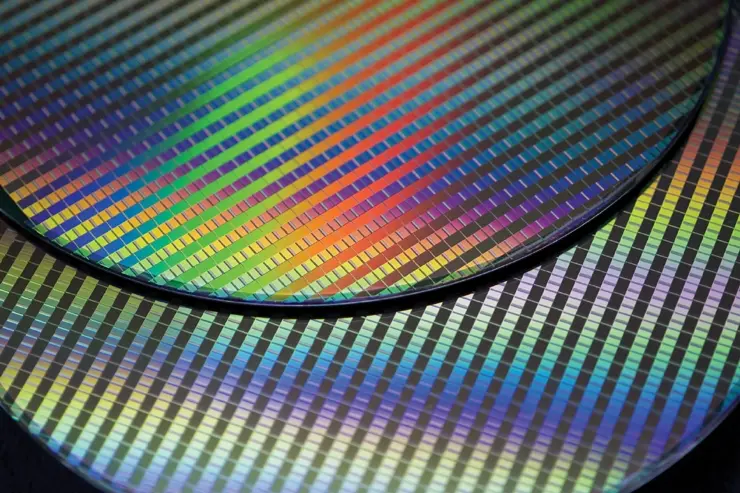
AI computing demand is reshaping the global semiconductor supply chain, creating a structural deficit in silicon wafers that will likely constrain memory availability for years to come. Industry projections indicate that the gap between supply and demand will widen significantly, with a shortage of approximately 8% expected by the end of 2026. This deficit is set to expand to 15% in 2027 and reach 24% by 2028, signaling a tight market for hardware manufacturers and consumers alike.
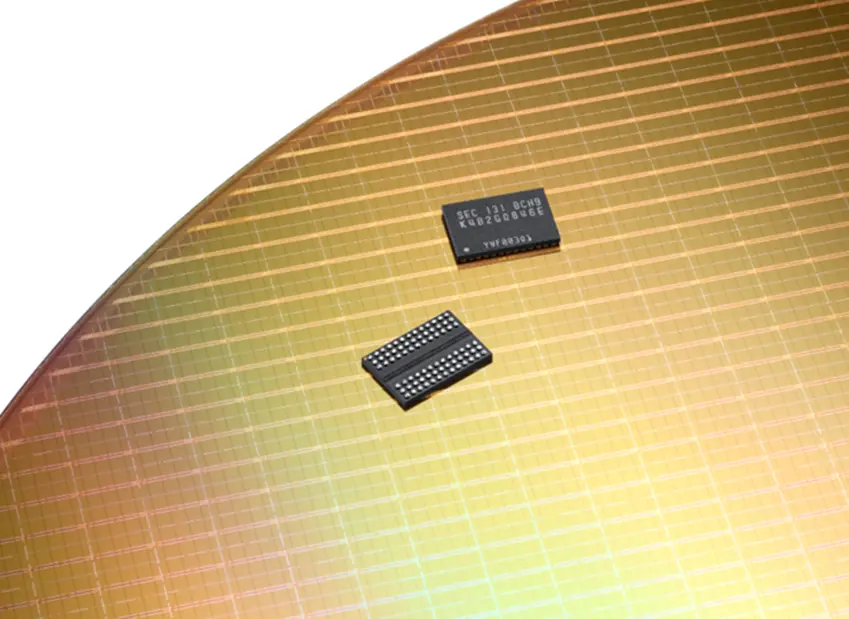
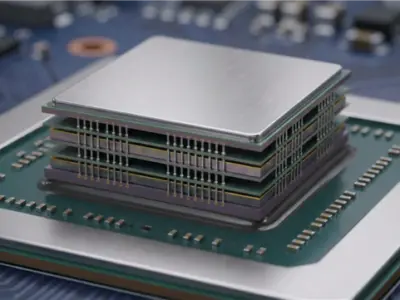
HBM production consumes triple the wafer area of standard DDR5 memory
The primary driver behind this shortage is the explosive growth in high-bandwidth memory (HBM) production required for AI accelerators. HBM consumes roughly three times the wafer area of a standard DDR5 memory chip, creating intense competition for manufacturing capacity. Major memory producers including Samsung, SK Hynix, Micron, and CXMT are the key entities adding capacity to meet this surging demand.
- Projected 2026 Wafer Shortage: ~8%
- Projected 2027 Wafer Shortage: 15%
- Projected 2028 Wafer Shortage: 24%
- 2026 Q2 Global Shipment Area: 3.573 billion square inches
- 2026 Q2 YoY Growth: 7.4%
Total global shipment area for silicon wafers is projected to reach 3.573 billion square inches in the second quarter of 2026, representing a 7.4% year-over-year increase. Despite this growth, 12-inch wafer monthly capacity remains constrained, rising from approximately 10.69 million wafers in 2026 to only 11.00 million in 2027. This limited capacity expansion of roughly 3% in 2027 and 6% in 2028 cannot fully offset the rapid consumption rates driven by AI workloads.
HBM wafer consumption is forecast to grow by 23% in 2027 and 28% in 2028, outpacing the growth in overall manufacturing capacity. Logic process wafer consumption is also expected to rise, with projected year-over-year increases of 12% in 2027 and 11% in 2028. These figures highlight the structural pressure on the supply chain as AI infrastructure expansion continues to dominate silicon demand.
We looked at DDR5 Memory Prices Surge 320% as earlier while tracking Global semiconductor industry launches. The combination of limited capacity growth and surging HBM demand suggests that memory prices will not decrease in the near term, according to industry estimates. New production capacity is expected to come online starting in 2027, but this timeline may not be sufficient to immediately alleviate the projected shortages.
Discussion
0 comments
Log in to join the thread with a thoughtful take, question, or correction.