
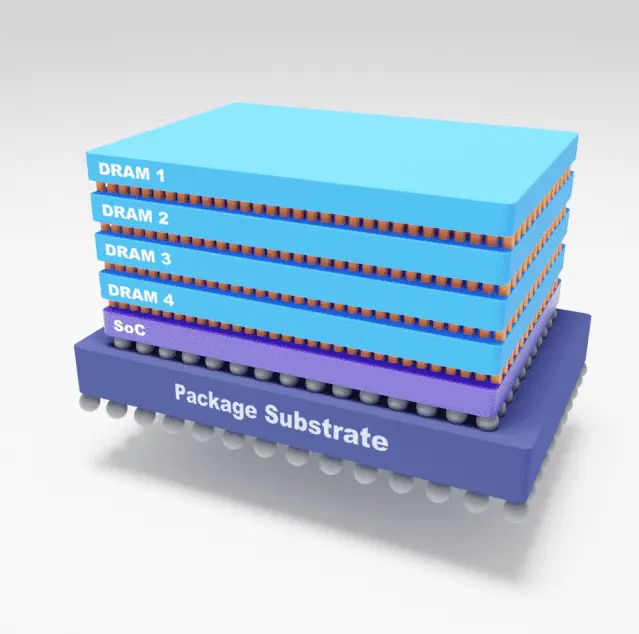
AI chip demands are reshaping the semiconductor landscape by pushing 3D IC technology into the spotlight. Buyers and system integrators should watch this trend because it offers a path to higher bandwidth and better power efficiency than traditional memory solutions. This shift matters for anyone building or purchasing hardware that relies on fast data transfer speeds.
Memory makers target custom stacking solutions as major rivals stay cautious
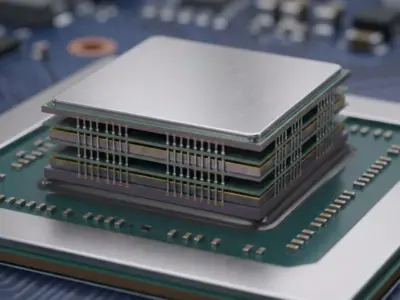
CXMT and Winbond are positioning themselves to benefit from this growing market for custom 3D IC solutions. The technology involves tightly stacking logic chips and memory in three dimensions to integrate them more efficiently. This approach allows for denser packaging compared to standard flat designs.
Unlike standardized DRAM modules, 3D IC configurations are often customized for specific clients. Each design can vary significantly in its internal structure, stacking layers, and interface protocols. This customization makes the technology distinct from off-the-shelf memory products.
Major competitors Samsung and SK Hynix remain cautious about commercializing 3D IC due to its non-standardized nature. CXMT and Winbond are seen as potential beneficiaries who can navigate this flexible market more easily. The technology is considered a potential next-generation AI memory route alongside HBM.
Discussion
0 comments
Log in to join the thread with a thoughtful take, question, or correction.