
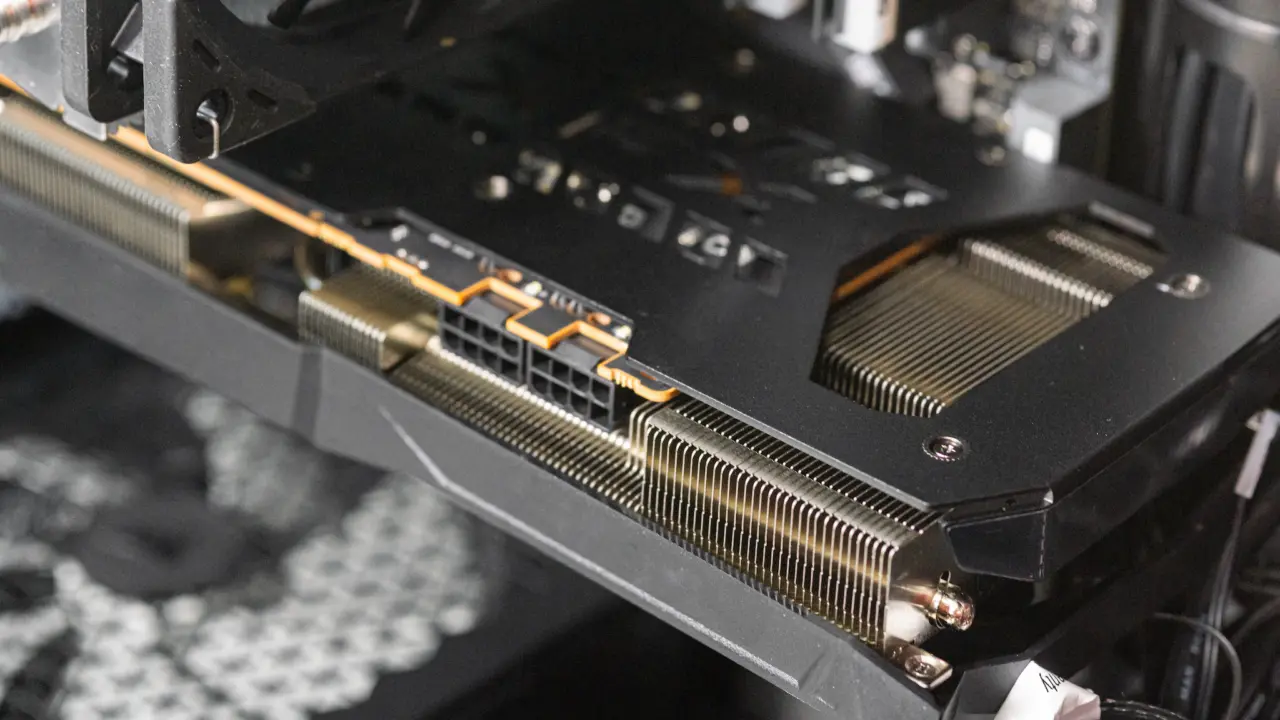
The Zluda CUDA emulator has lost its commercial backing and reverted to a personal hobby project for developer Andrez Janik. This shift means the software will continue to evolve based on Janik’s personal interest rather than corporate roadmaps. Gamers using AMD graphics cards to run legacy titles relying on NVIDIA’s PhysX technology will still see active development on compatibility layers. The project’s survival hinges on Janik’s willingness to prioritize features that entertain him during his free time.
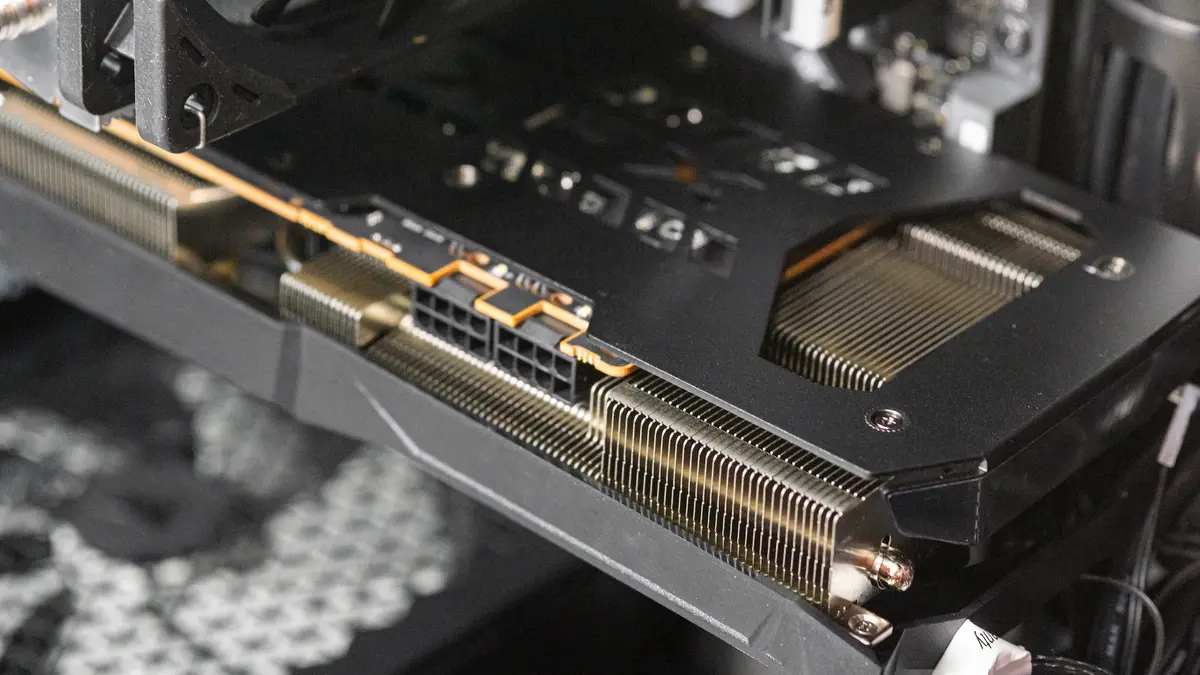
Developer Andrez Janik shifts focus to personal interests after losing commercial backing
Version 6 of the Zluda software introduces significant updates to how the emulator interacts with Windows operating systems. A refreshed zluda.exe loader now automatically detects and loads necessary performance libraries without manual intervention. This improvement simplifies the setup process for users who previously had to configure loading methods manually. The update also integrates fixes driven by PyTorch, enhancing the underlying compiler stability for complex workloads.
- Version: 6
- Feature: 32-bit PhysX support
- Feature: Improved Windows support
- Feature: PyTorch-driven fixes
- Status: Hobby status
A major addition in this release is pre-alpha support for 32-bit PhysX effects, a feature long requested by the gaming community. Janik shared a screenshot demonstrating a threefold performance increase in the 2010 title Mafia II when these effects are enabled. This specific gain highlights the potential for older games to run more smoothly with the new compatibility layer. The implementation remains in early stages, as Janik acknowledges that fluid simulations can still appear glitchy.
The current method of injecting Zluda into Steam games is described as poor by the developer, indicating room for future architectural improvements. Janik noted that the existing loading mechanism creates friction for users trying to integrate the emulator into their libraries. Despite these technical hurdles, the project maintains momentum through Janik’s independent efforts. The lack of external funding has not halted progress but has redirected the development focus toward personally engaging tasks.

Discussion
0 comments
Log in to join the thread with a thoughtful take, question, or correction.