
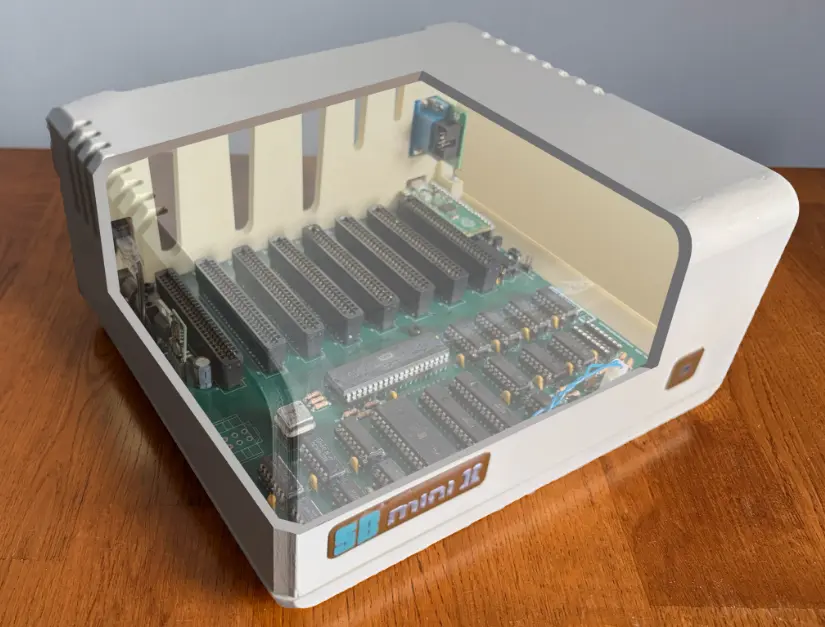
Owners of vintage Apple II hardware can finally run classic software on modern displays without hunting for rare, fragile components. Simon Boak released the SB Mini II, a hardware recreation of the 1979 Apple II Plus that brings this retro computing experience to contemporary setups. This project matters to collectors and enthusiasts who want to use original software without the maintenance headaches of aging capacitors and failing DRAM chips.
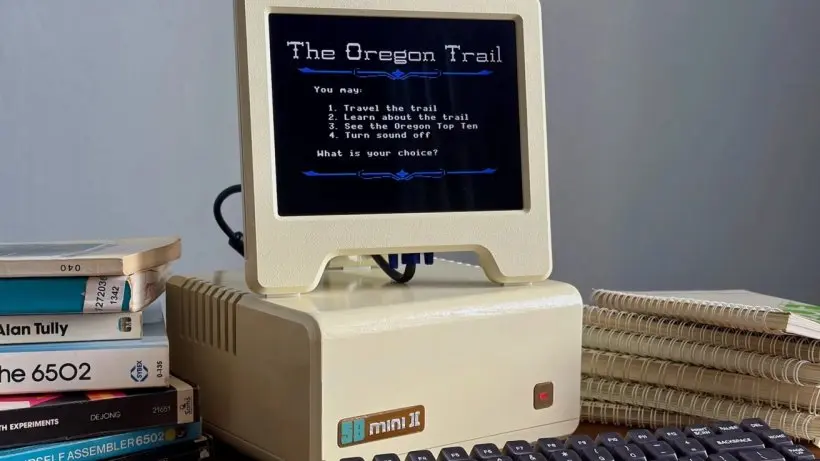
Simon Boak's new hardware recreation simplifies vintage computing
The core of the SB Mini II relies on a 6502 CPU, the same processor architecture that powered the original Apple II series. Boak replaced the original dynamic RAM with 48KB of static RAM to simplify the circuit design and improve reliability. This static memory solution uses two 32K SRAM chips to match the exact memory capacity required by the Apple II Plus.
SB Mini II Specifications
- CPU: 6502
- Memory: 48KB SRAM
- Video Output: VGA (via Apple II VGA card)
- Input: USB Keyboard (via Raspberry Pi Pico)
- Original Model: Apple II Plus
Video output no longer requires a composite monitor or complex RF modulators. The system connects to a standard VGA display through an Apple II VGA card, providing a much clearer image than the original analog signals. Input is managed via a Raspberry Pi Pico microcontroller that translates modern USB keyboard signals into the parallel data format the vintage logic expects.
Boak also designed a matching Studio II LCD monitor to complete the retro aesthetic for the display output. The combination of the VGA adapter and the custom monitor allows users to enjoy the crisp text and graphics of early personal computing. The hardware recreation preserves the original 6502 instruction set while removing the need for periodic memory refresh cycles.
The SB Mini II offers a stable platform for running legacy Apple II software without the risk of hardware degradation. Users can now interact with vintage operating systems and games using standard USB peripherals and modern VGA monitors. This hardware project provides a practical way to preserve and experience early personal computing history.

Discussion
0 comments
Log in to join the thread with a thoughtful take, question, or correction.