
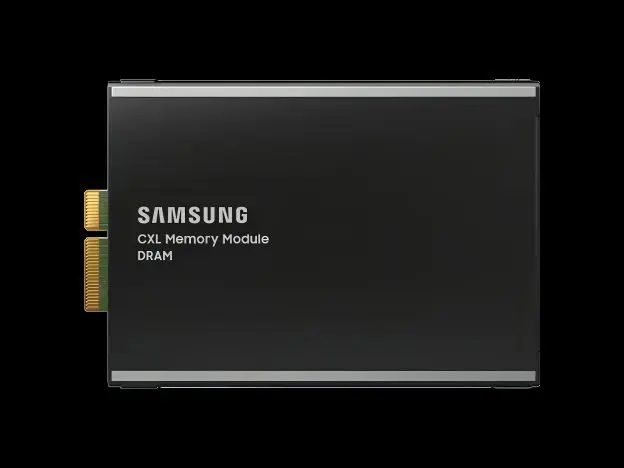
Samsung announced Pangea v2 in 2024. Samsung positions the Pangea v2 technology as a response to the growing demands of artificial intelligence workloads. Industry reports suggest that CXL is emerging as a key competitive field following HBM. Samsung aims to address memory bottlenecks that currently limit system performance, reducing them by up to 96%.
The Pangea v2 architecture delivers up to a 10x performance improvement compared to previous generations. It achieves data transfer speeds up to 10.2x faster than traditional RDMA-based interconnects. The design reduces bottlenecks in existing memory architectures by up to 96%. Under normal operating conditions, the system utilizes only 20 to 30 percent of installed memory.
New architecture cuts bottlenecks and boosts speed for AI workloads
Samsung does not currently list pricing or availability details for Pangea v2. The company highlights the ability to dynamically share and access a common memory pool through CXL. This approach allows systems to dynamically share and access a common memory pool based on specific workload requirements. The Pangea v2 technology targets data centers that require high bandwidth and low latency, offering up to 10.2x faster data transfer speed than RDMA.
Pangea v2 Key Specifications
| Specification | Value |
|---|---|
| Performance Improvement | Up to 10x |
| Data Transfer Speed | Up to 10.2x faster than RDMA |
| Bottleneck Reduction | Up to 96% |
| Memory Utilization | 20-30% |
NVIDIA plans to support CXL 3.1 in its Vera CPU, which is expected to release later this year. This development indicates a broader industry shift toward CXL-enabled memory solutions. Other major memory manufacturers like SK Hynix and Micron are also involved in the competitive landscape. The focus remains on expanding capacity and improving efficiency for AI applications.
Discussion
0 comments
Log in to join the thread with a thoughtful take, question, or correction.