
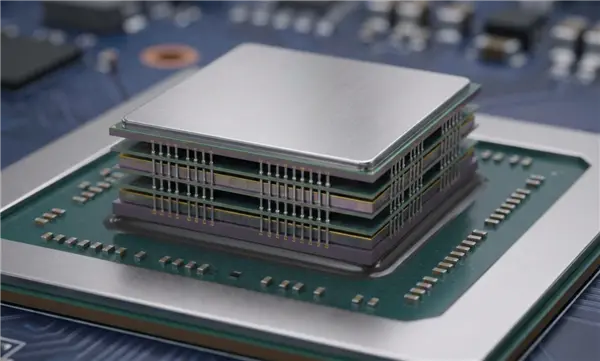
Samsung is shifting its manufacturing strategy to prioritize HBM4, a move that directly influences the supply chain for AI accelerators. The company allocates 50 to 60 percent of its 4nm process capacity to HBM4 base dies. This aggressive reallocation signals a decisive pivot toward high-bandwidth memory production as demand for AI hardware intensifies.
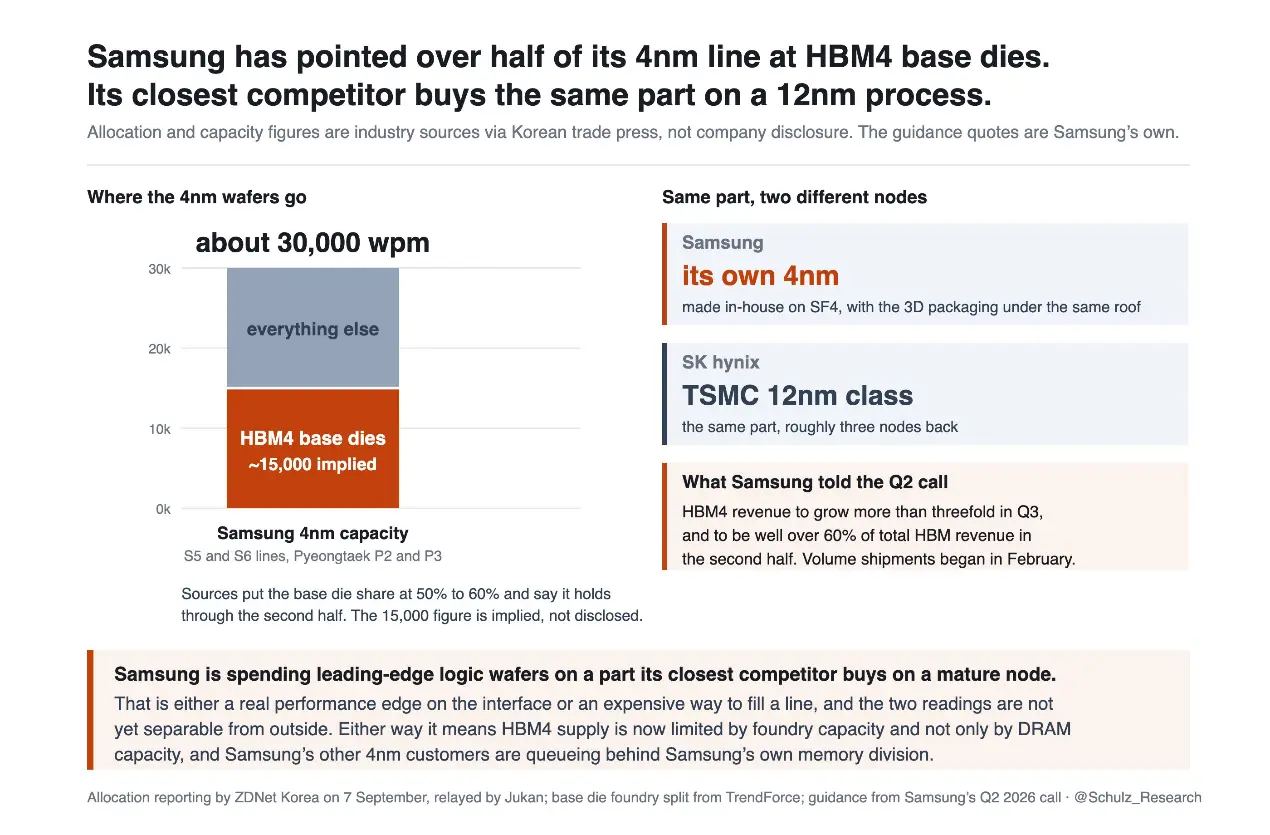
Samsung allocates half of its 4nm output to HBM4 base dies
The shift in production focus correlates with a significant change in market dynamics during the second quarter of 2024. Samsung increased its HBM market share from 21 percent in the first quarter to 33 percent in the second quarter. This growth allows Samsung to capture a larger portion of the high-performance memory market previously dominated by competitors.
Samsung operates approximately 30,000 wafers of 4nm capacity per month. The company directs more than 15,000 of these wafers specifically to HBM4 base die production. This internal vertical integration provides a cost advantage over rivals who must rely on external foundries for base die fabrication.
Competitors face shrinking market positions as Samsung gains ground. SK Hynix saw its global HBM share drop from 58 percent to 50 percent in the second quarter. Micron experienced a similar decline, falling from 21 percent to 18 percent during the same period.
Industry analysis suggests Samsung could surpass SK Hynix in total market share by the third or fourth quarter. This projection relies on the continued trend of Samsung capturing capacity and SK Hynix losing ground. We have been tracking HBM4 closely — see our earlier coverage on Samsung HBM4 Base Dies May Shift.
Samsung currently holds 33 percent of the HBM market while SK Hynix retains 50 percent. The company continues to expand its 4nm capacity allocation to support HBM4 output. This production strategy positions Samsung to compete more aggressively in the AI memory sector.

Discussion
0 comments
Log in to join the thread with a thoughtful take, question, or correction.