
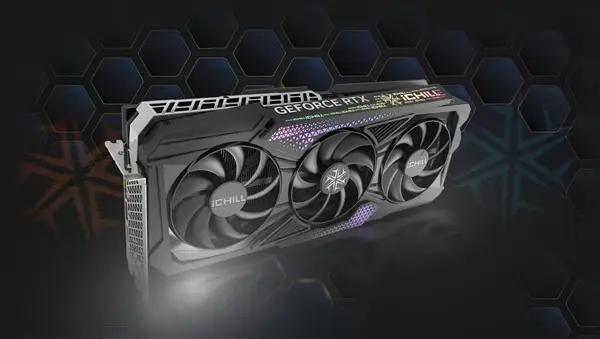
NVIDIA has confirmed that DLSS 5 is locked exclusively to the RTX 50 series, ending any hope that older hardware like the RTX 4090 can access the latest AI rendering features. This decision matters because it creates a hard divide in the PC gaming market, forcing users who want the newest multi-frame generation technology to buy new GPUs. The RTX 4090, once a flagship leader, now misses out on the software updates that define the next generation of visual fidelity.
Blackwell hardware units force RTX 4090 users to upgrade for AI rendering
The core reason for this exclusion lies in the Blackwell architecture, which introduces specific hardware scheduling units required to run DLSS 5. NVIDIA stated at SIGGRAPH 2026 that the three AI models behind DLSS 5 depend on these unique components, making the feature incompatible with the older Ada Lovelace architecture found in the RTX 4090. Meanwhile, the RTX 5080 includes Flip-Metering hardware that enables DLSS 4.5 multi-frame generation, allowing it to produce up to three AI frames per interval. The RTX 4090 remains limited to the single-frame generation capabilities of DLSS 3.
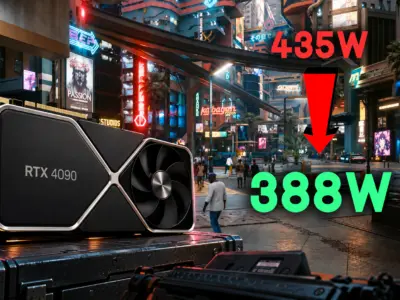
Technical specifications highlight the trade-offs between these two cards. The RTX 4090 retains 16,384 CUDA cores and 24GB of VRAM, while the RTX 5080 operates at a 360W power draw compared to the 4090's 450W. The DLSS 5 core library file is 158MB, reflecting the increased complexity of the new AI models. At launch, 15 games are confirmed to support DLSS 5, giving owners of the RTX 50 series an immediate software advantage.
Pricing and availability set the stage for this hardware shift. The RTX 5080 is priced at 999 USD (around $999) in the US market, with local prices in China hovering around 12,000 CNY (around $1,781). In contrast, the RTX 4090 originally launched at 1,599 USD (around $1,599), and second-hand prices in China have risen to approximately 30,000 CNY (around $4,452). The RTX 50 series and DLSS 5 technology are scheduled to arrive globally in Autumn 2026.
We looked at the last DLSS 5 update earlier while tracking NVIDIA launches, noting similar themes of balance and stability. Without AI enhancements, the RTX 4090 still leads the RTX 5080 by about 15% in 4K rasterization and 12% to 16% in 3DMark Port Ray tracing. Buyers seeking the absolute highest raw rasterization performance may still find value in the older card, but those prioritizing future-proof AI features must wait for the new generation.
NVIDIA has drawn a clear line in the sand regarding DLSS 5 support. The RTX 50 series is the only hardware capable of running the full suite of next-generation AI rendering tools. Gamers and creators should plan their upgrades around this hardware requirement rather than expecting backward compatibility.

Discussion
0 comments
Log in to join the thread with a thoughtful take, question, or correction.