
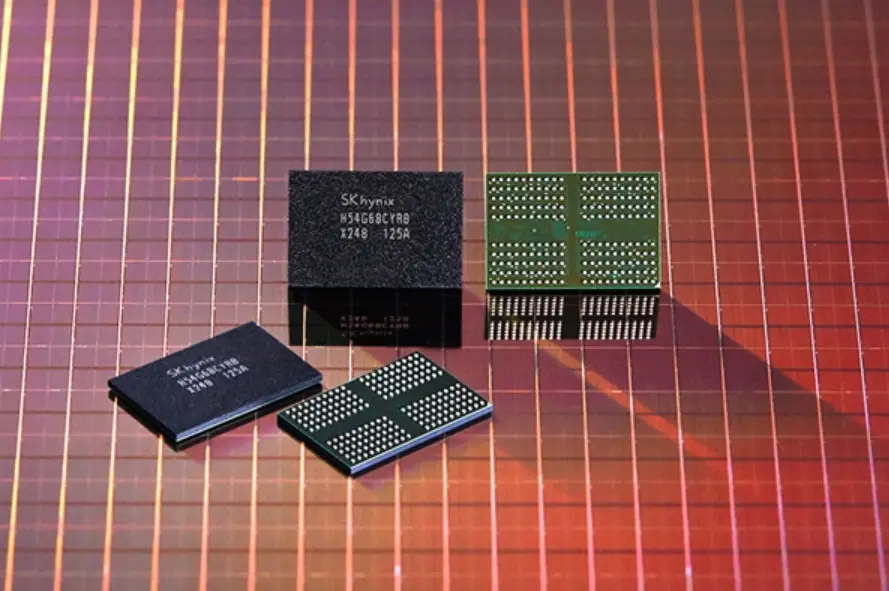
Spot prices for 36GB HBM3E memory modules have surged to $2100, creating immediate cost pressure for AI hardware buyers. This pricing spike highlights a severe supply gap that threatens to delay next-generation accelerator deployments. Buyers relying on spot-market purchases face costs four to five times higher than long-term contract rates. The market reality means that hardware budgets for AI infrastructure are stretching thin as demand outpaces production capacity.
Spot costs for 36GB modules surge as Samsung locks capacity
Samsung Electronics and SK Hynix control roughly 70% of the global memory chip market, yet they cannot fill the current demand gap. DRAM export volumes from South Korea dropped 13.2% between May and July 2024, falling from approximately 681.7 million units to 591.7 million units. Despite the lower volume, total export value rose 18.5% from $11.43 billion to $13.55 billion. This divergence proves that manufacturers are prioritizing higher-margin products over sheer volume.
- HBM3E Spot Price (36GB): $2100
- HBM3E Long-Term Contract Price: 500,000-700,000 KRW
- HBM Spot Price Multiple: 4-5x
- DRAM Export Volume Change (May to July): -13.2%
- DRAM Export Value Change (May to July): +18.5%
The average unit price for these exports climbed 36.6%, rising from $16.76 to $22.90 during the same period. Long-term contract prices for HBM3E sit between 500,000 and 700,000 Korean won, making the spot price of $2100 exceptionally steep. HBM4 production remains in early stages with lower yields than HBM3E, which consumes more DRAM wafers per chip. This technical bottleneck further restricts the available supply of standard DRAM wafers for other memory products.
Samsung has committed approximately 70% of its production capacity through 2031 to long-term agreements with major technology firms. These partners include Nvidia, Microsoft, and Google, who secure supply through these multi-year deals. Industry analyst Ahn Ki-hyun noted that solving the chip shortage requires building more production facilities. He stated that even if planned new factories come online, the shortage will only be alleviated, not eliminated.
Market analysts predict Samsung's third-quarter operating profit could reach 116.38 trillion Korean won, potentially setting a record for Korean companies. We looked at the last HBM3E update while tracking these balance and stability themes across the memory sector. The current pricing environment confirms that supply constraints will remain a defining feature of the AI hardware market through the end of the year.


Discussion
0 comments
Log in to join the thread with a thoughtful take, question, or correction.