
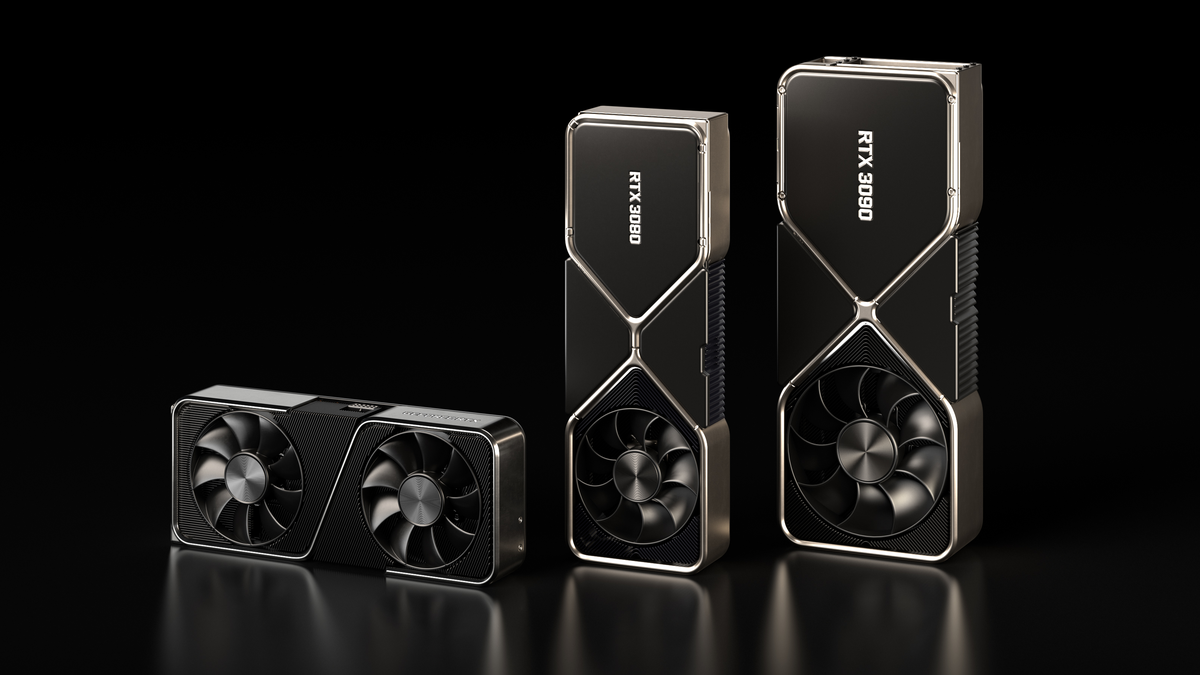
Open source project now unlocks twice the AI computing power for NVIDIA GeForce RTX 30 and 40 series GPUs. Why is this important? Well it means you can now run large language models way faster.
Open-source Zagitta tool doubles AI compute speeds on GeForce RTX 30 and 40 series cards
And its for a lot of GPUs that are still widely owned. This directly affects the local AI experience for developers and researchers working with consumer GPUs.
Spec comparison
| Spec | RTX 3090 Ti | RTX 3080 10 GB |
|---|---|---|
| BF16 TFLOPS | 87.5 -> 157 | N/A |
| FP16 TFLOPS | N/A | 65 -> 113 |
| TF32 TFLOPS | 42.6 -> 82.6 | N/A |
| LLM Prefill Speed | 33-36% faster | N/A |
| LLM TTFT Latency | 25% reduced | N/A |
This is the Zagitta GPU-Unlock project. It's a Linux kernel module that edits speed selectors before the official NVIDIA driver loads. This means no need for a custom vBIOS flash. So there's a lower risk of bricking your GPU.
It's specifically unlocking the issuing speeds for FP16 and BF16 instructions for GA102, GA103, GA104, and GA106 GPUs. So for example on the RTX 3090 Ti you get an increase in BF16 speeds from 87.5 TFLOPS to 157 TFLOPS. For the RTX 3080 10 GB GPU you now get FP16 speed of 113 TFLOPS up from 65 TFLOPS. You're essentially getting almost double the throughput for your tensor cores (for some workloads).
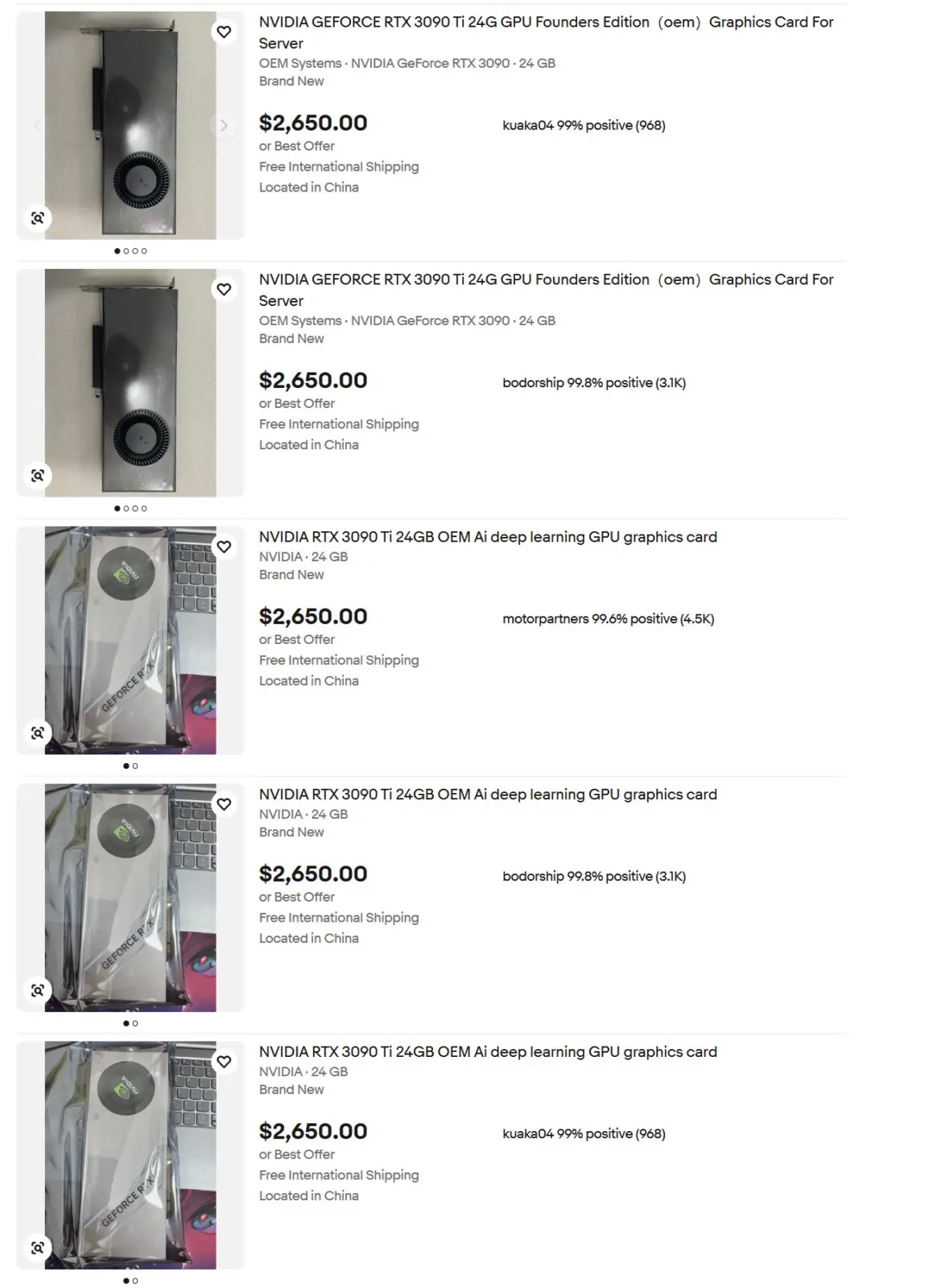
And the end result means real-world performance benefits when running LLM inference. Improved prefill speed for long-context outputs. 33% to 36% increase in prefill speed. Around a 25% reduction in time-to-first-token latency. Like 381 tokens per second for the Qwen3.8-27B with the RTX 3090 in one test.
But this performance improvement comes at a time when the second-hand market for these cards are skyrocketing in value. The 3090 24 GB now sells for over $2000 (used to be around $1000). RTX 3080 cards going for $900 to $1100 on second-hand markets. So some think this new functionality will only push prices further up for second hand versions of these GPUs.
Discussion
0 comments
Log in to join the thread with a thoughtful take, question, or correction.