
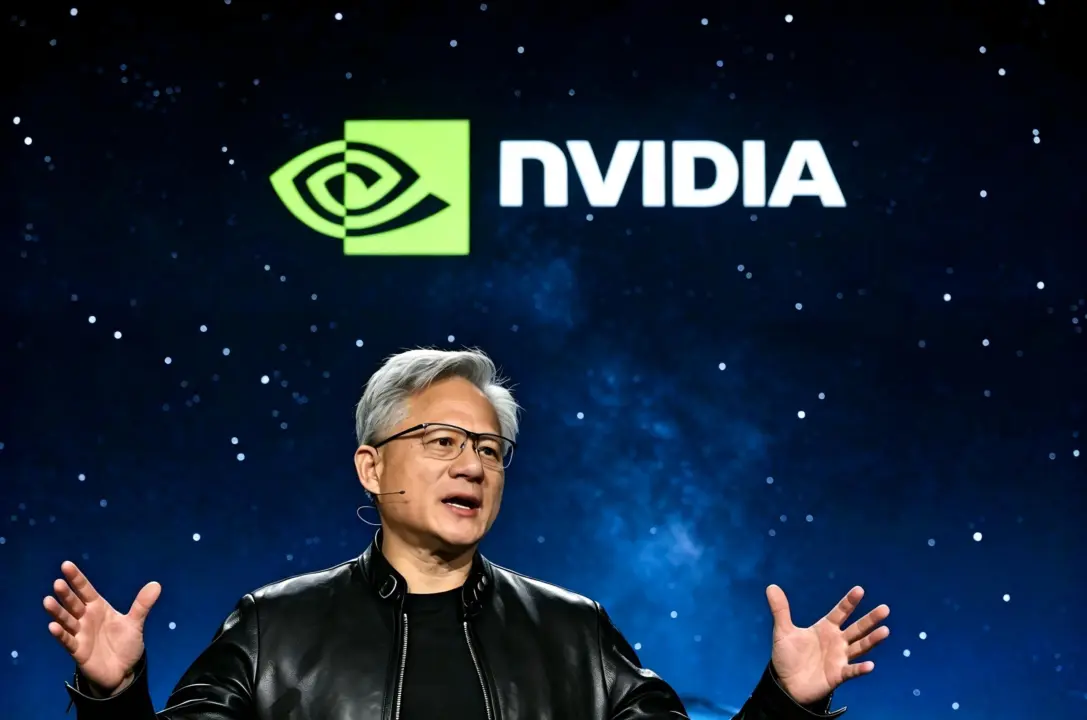
NVIDIA CEO Jensen Huang took the stage at GTC in Berlin to make the point that NVIDIA is king when it comes to AI hardware, and no one is going to be able to catch up by simply releasing a new chip that can recreate the benefit of having the CUDA ecosystem. This message is important to developers and corporate purchasers, as it shows NVIDIA has no intention of relinquishing their monopoly on AI training infrastructure anytime soon. For them, the software moat is the impenetrable strategic moat they have against hardware competitors.
Huang argues that software ecosystems cannot be replicated by hardware alone
Huang explained the CUDA ecosystem is like this flywheel that has been going for decades. They point out that others take the approach of first developing a chip and then trying to figure out why anyone would use it. With NVIDIA they're talking about a cycle where developers add to the software which makes more developers want to join in. This creates a flywheel effect that compounds over time to increase value.
At the heart of this is age. Huang pointed to the CUDA ecosystem as being 25 years old for a single architecture. The argument is that no one else can produce something like this off the back of a single piece of hardware. The deep development behind it gives rise to deep software library optimization and deep hardware interface optimization that you just can't get by rolling out something new.
Yet there are some new variables at play that could undermine the dominance of this ecosystem. For one, large language models are writing code faster than humans. In theory, this could allow competitors to potentially skip the CUDA development cycle.
There are also geopolitical factors that have led Chinese companies like Huawei and Cambricon to try to develop their own CUDA-like ecosystem. They are doing this to reduce their dependence on NVIDIA tech in certain regions.
NVIDIA is going to be NVIDIA. They'll continue to use their early advantage to fight off competitors as they come. New AI tools and regional challengers will cause some long-term headaches, but when it comes to the state of infrastructure today, the decks are stacked high in NVIDIA's favor for their ecosystem.


Discussion
0 comments
Log in to join the thread with a thoughtful take, question, or correction.