
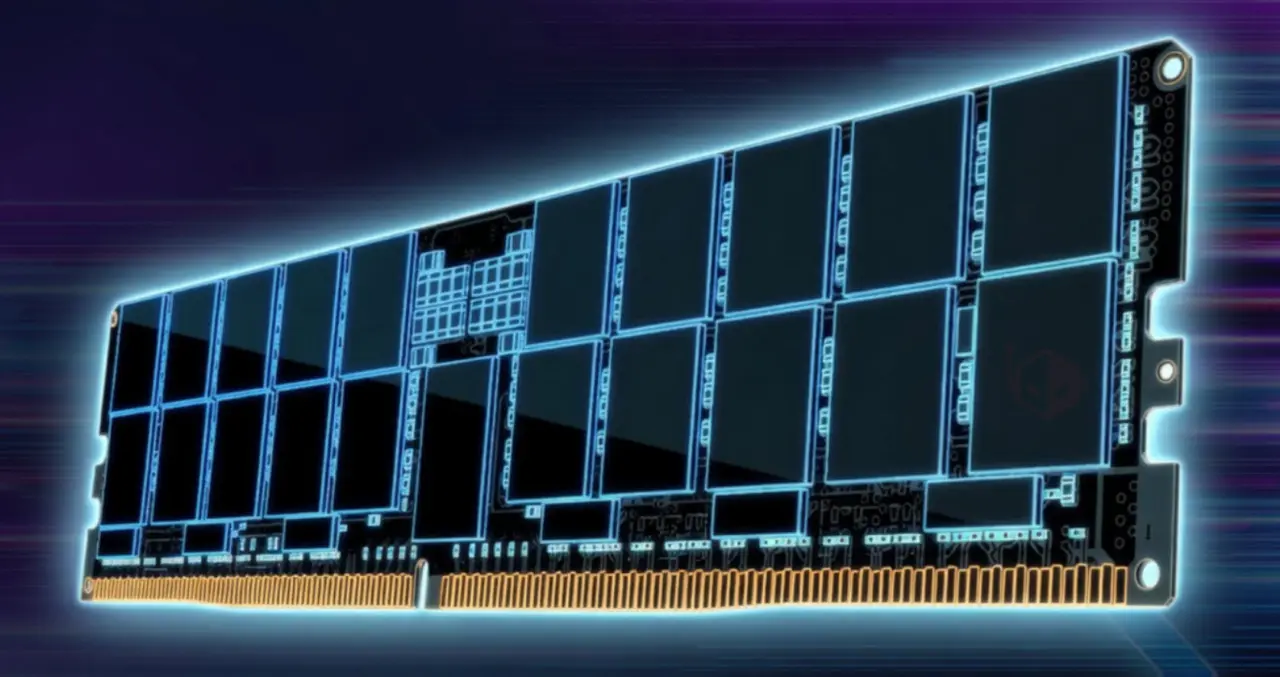
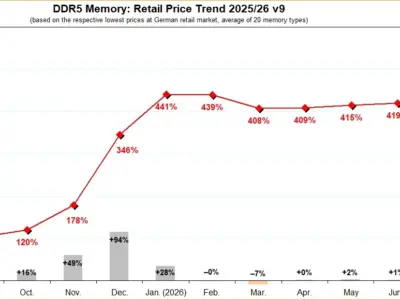
Memory costs are poised to jump sharply in the second half of 2026, creating immediate budget pressures for hardware buyers. Jefferies Equity Research projects a 40 to 50 percent increase in DRAM prices starting in the third quarter of the year. This surge will likely raise the retail cost of laptops, desktops, and servers that rely on standard memory modules. Consumers and enterprises should expect tighter margins for new devices entering the market this fall.
Analysts predict sustained cost increases for laptops and servers through 2027
The forecast extends well beyond a single quarter, with analysts predicting a further 30 to 40 percent price hike in the fourth quarter of 2026. Prices are expected to remain elevated throughout 2027, with year-over-year increases projected at 40 to 45 percent. This prolonged period of high costs stems from a structural shortage in global supply rather than temporary demand spikes. The market will not see significant relief until 2028, when new production capacity is finally expected to come online.
Supply constraints are driven by limited new manufacturing capacity, which Jefferies estimates will only grow by 15 to 20 percent by 2028. A significant portion of the current market, approximately 50 percent of total capacity, is already locked into long-term agreements between memory makers and major technology firms. These contracts reduce the amount of available stock for spot market purchases, further tightening supply for new buyers. The lack of flexible inventory means manufacturers cannot easily absorb cost increases without passing them to end users.
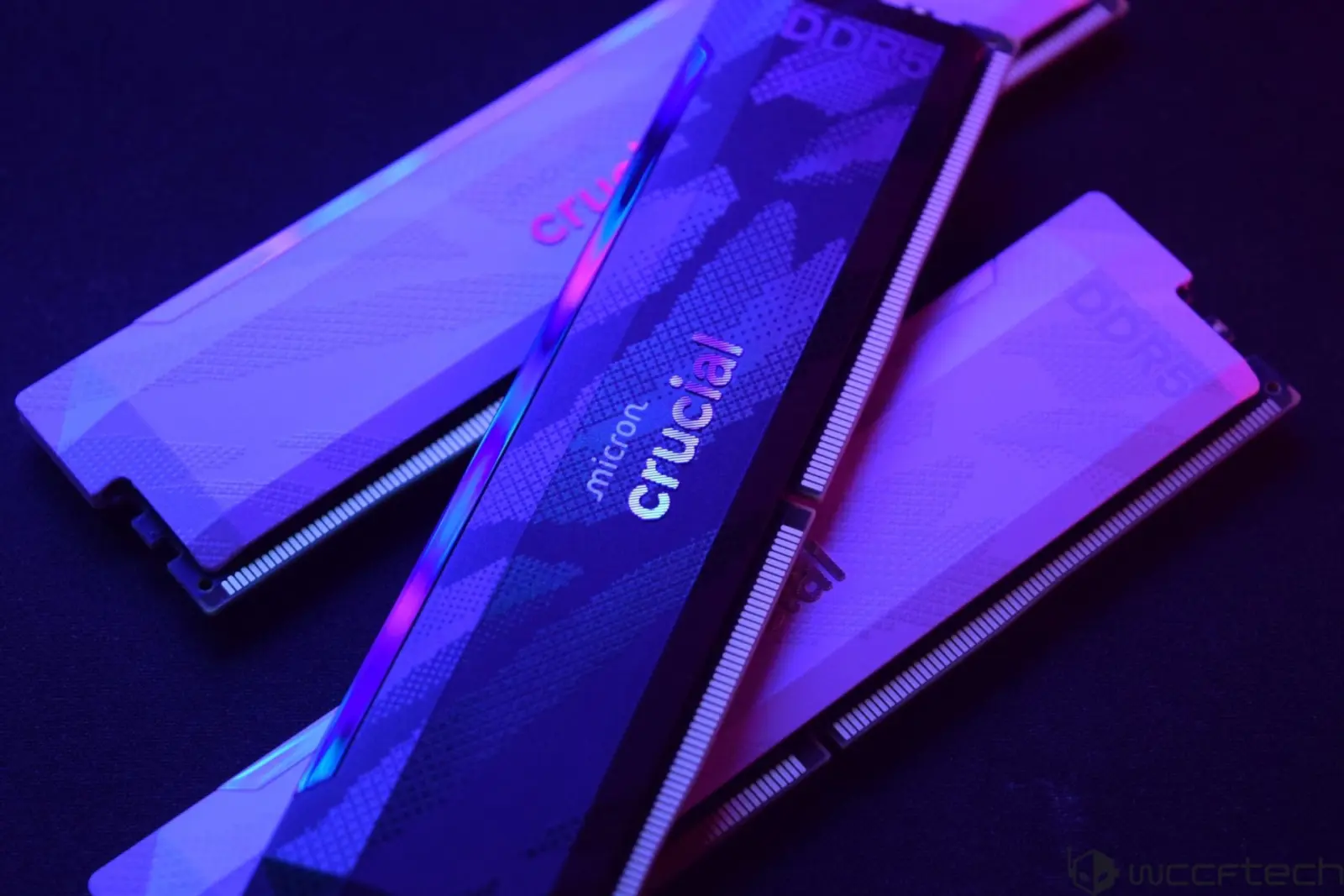
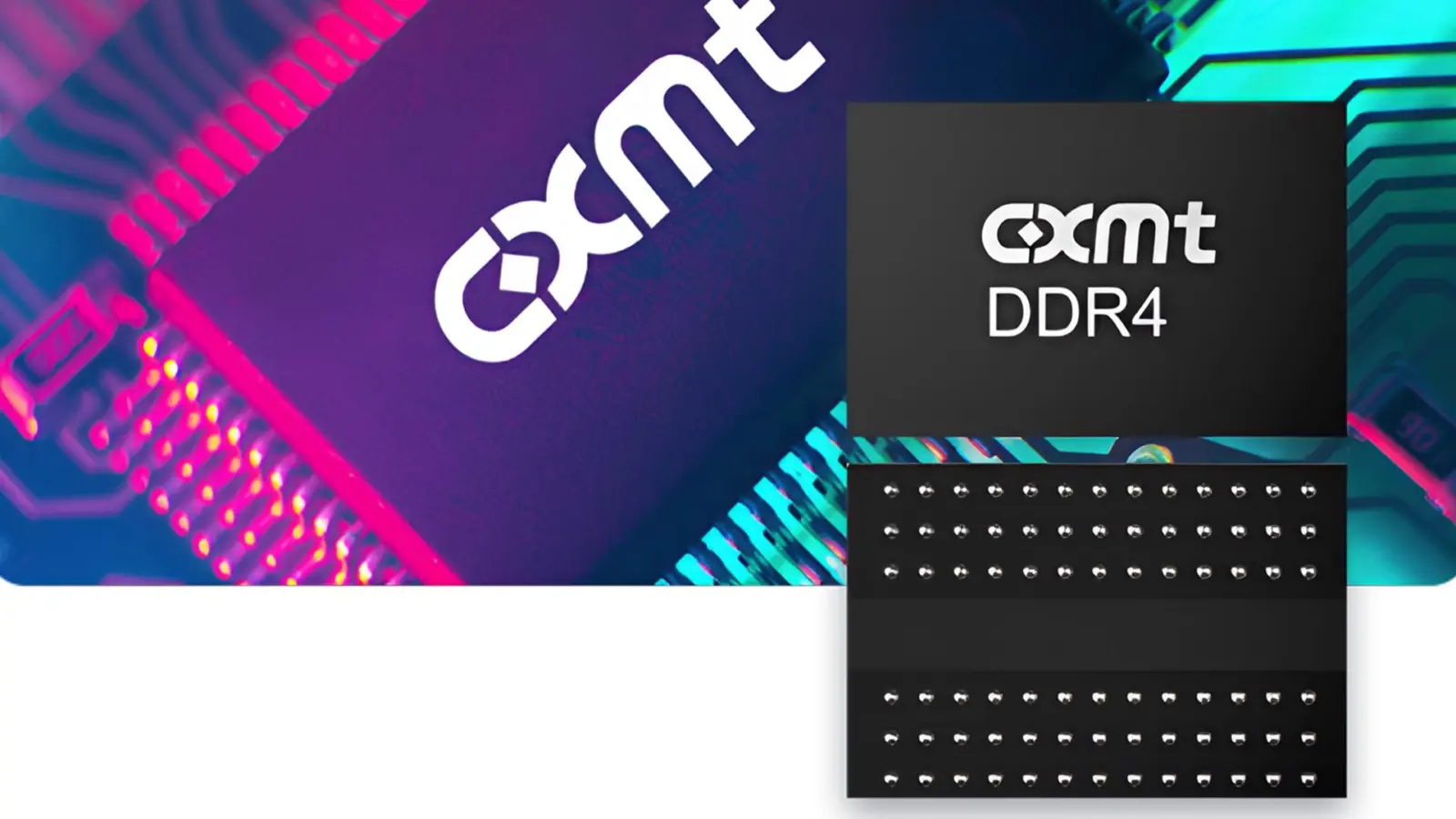
Chinese memory producers CXMT and YMTC are not expected to disrupt the current pricing environment or lower costs significantly until 2028. While Apple is reportedly exploring the integration of Chinese memory sources, specific details on volume or timeline remain unconfirmed. The broader market will likely continue to rely on established suppliers from South Korea, Japan, and the United States for the foreseeable future. Buyers should plan for sustained high memory costs over the next two years as supply catches up with demand.
Discussion
0 comments
Log in to join the thread with a thoughtful take, question, or correction.