
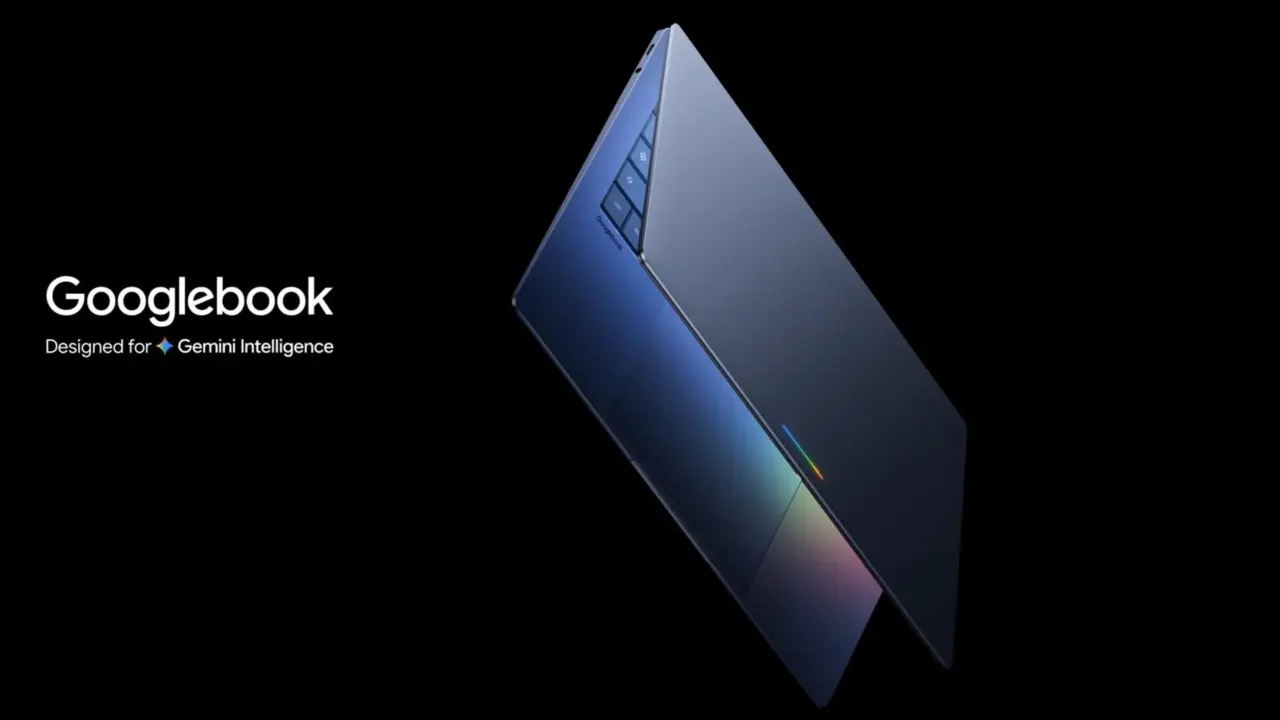
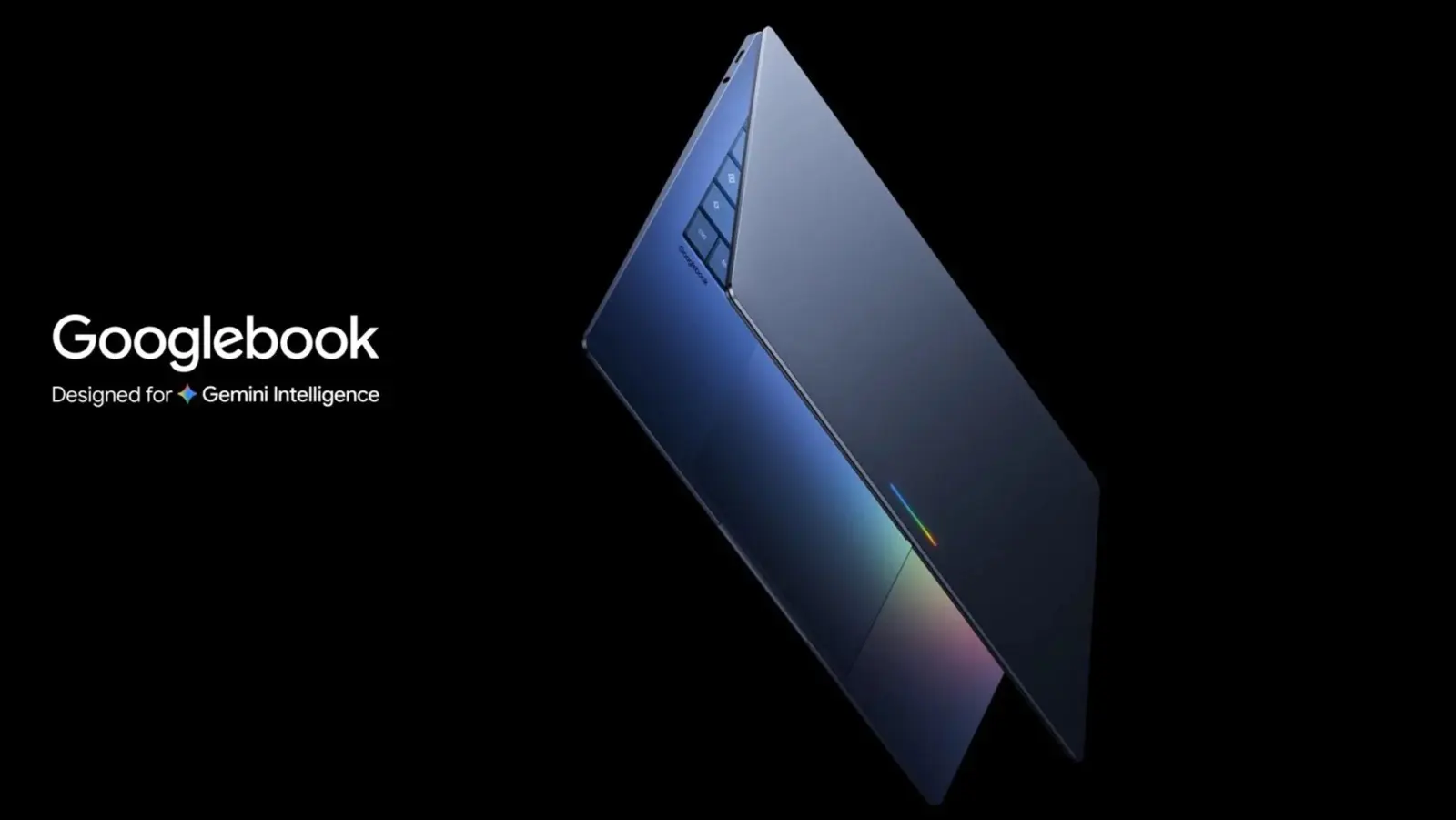
Google has entered the laptop market with a new line of devices called Googlebooks, designed specifically to run Android applications natively. This launch matters to readers because it expands the ecosystem for users who rely on mobile apps for their daily computing tasks. The company introduced five distinct models from major hardware partners, offering a range of configurations for different needs.
Qualcomm Snapdragon X Elite models handle native Android apps better than Intel-based laptops
The lineup includes laptops from Asus, Lenovo, Acer, Dell, and HP, each tailored to run the Android runtime environment. These devices aim to bridge the gap between mobile and desktop computing by allowing seamless access to the Android app library. Google markets these devices as versatile tools for productivity and entertainment, utilizing the familiar Android interface.
Google clarified that the vast majority of Android apps run smoothly across both Intel and Qualcomm Googlebooks right out of the box. However, the company admitted that some complex Android apps may not perform as well on Intel-based Googlebooks compared to Qualcomm Snapdragon X Elite models. This performance gap is attributed to Android apps being originally designed for Arm chips, requiring developer tuning for Intel x86-64 platforms.
The Intel-based models include the Asus Googlebook 14, Lenovo Googlebook 15, and Acer Googlebook 14. The Qualcomm-based models include the Dell XPS Googlebook and HP Googlebook 14. Googlebooks are priced between $899 and $1,299, including 12 months of Google AI Pro. The pricing makes these devices accessible to a wide range of consumers seeking integrated software and hardware solutions.
Google stated that because many Android apps were originally designed for Arm chips, a small handful of complex apps or games need some developer tuning to run their best on Intel-based platforms. This clarification highlights the technical challenges of running mobile-optimized software on traditional PC architectures. Users choosing Intel-based models should be aware of potential compatibility nuances with demanding applications.

Discussion
0 comments
Log in to join the thread with a thoughtful take, question, or correction.