
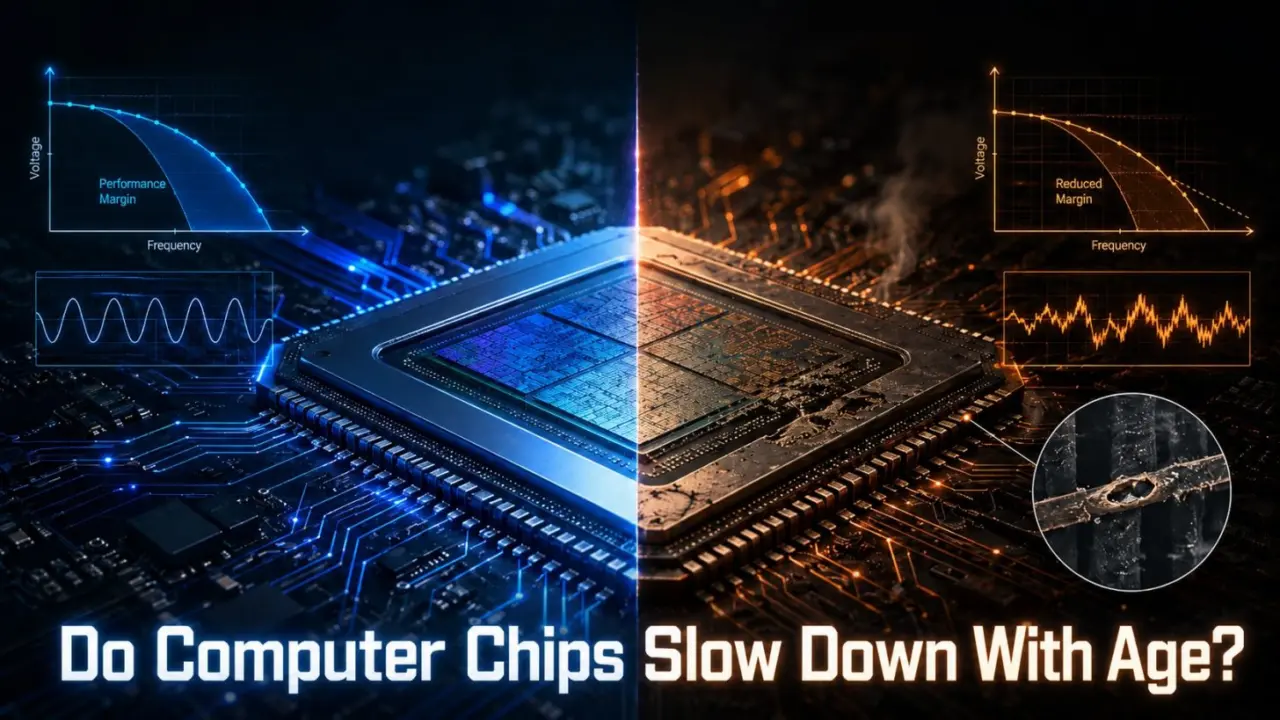
Intel’s 13th and 14th Generation Core processors, built on the Raptor Lake architecture, have faced widespread instability issues linked to silicon aging mechanisms that degrade transistor reliability over time. The problem stems from excessive voltage pushing chips beyond safe operating margins rather than a gradual loss of raw performance.
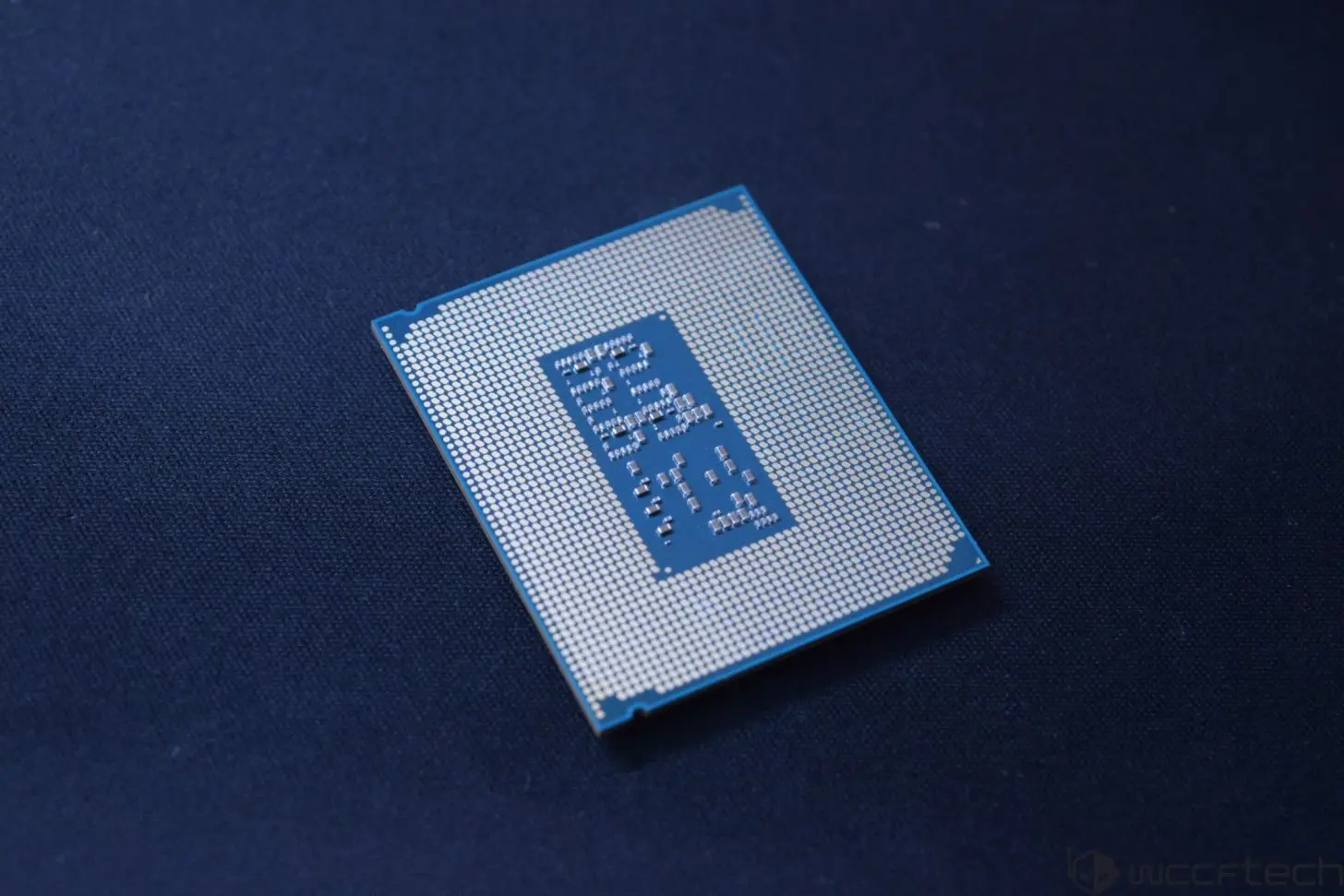
High voltages accelerate silicon degradation causing crashes instead of slower speeds
The degradation process involves well-documented physical effects like negative bias temperature instability (NBTI), hot carrier injection (HCI), and time-dependent dielectric breakdown (TDDB). These mechanisms wear down transistors at the microscopic level, reducing the safety margin that protects against crashes rather than causing a steady drop in speed.
Intel’s Raptor Lake CPUs experienced this instability because high voltages accelerated silicon degradation. Overclocking and elevated power settings shrink the stability buffer, making processors prone to sudden system failures instead of slower frame rates or reduced throughput.

Software and firmware updates from Intel aim to prevent further damage by adjusting voltage profiles and limiting peak performance under certain conditions. These patches cannot reverse physical wear on the silicon, meaning chips that have already degraded will not regain their original stability margins through software alone.
The core misconception is that computer chips get slower as they age. In reality, aging reduces stability margins until a crash occurs; it does not linearly degrade computational speed. Users may notice instability long before any measurable performance drop becomes apparent.
This distinction matters for gamers and creators who rely on consistent system uptime. A degraded CPU will likely cause random freezes or blue screens rather than gradually slower application load times, changing how users should approach troubleshooting hardware issues over time.

Discussion
0 comments
Log in to join the thread with a thoughtful take, question, or correction.