

Former Intel CEO Patrick Gelsinger admitted that Intel dismissed NVIDIA's graphics processing units when the chipmaker was at the peak of its central processing unit dominance. This candid reflection matters because it explains a strategic blind spot that allowed NVIDIA to build an unassailable lead in AI and gaming hardware. Intel's historical arrogance regarding discrete GPUs highlights how quickly the industry shifted from CPU-centric computing to accelerated parallel processing.
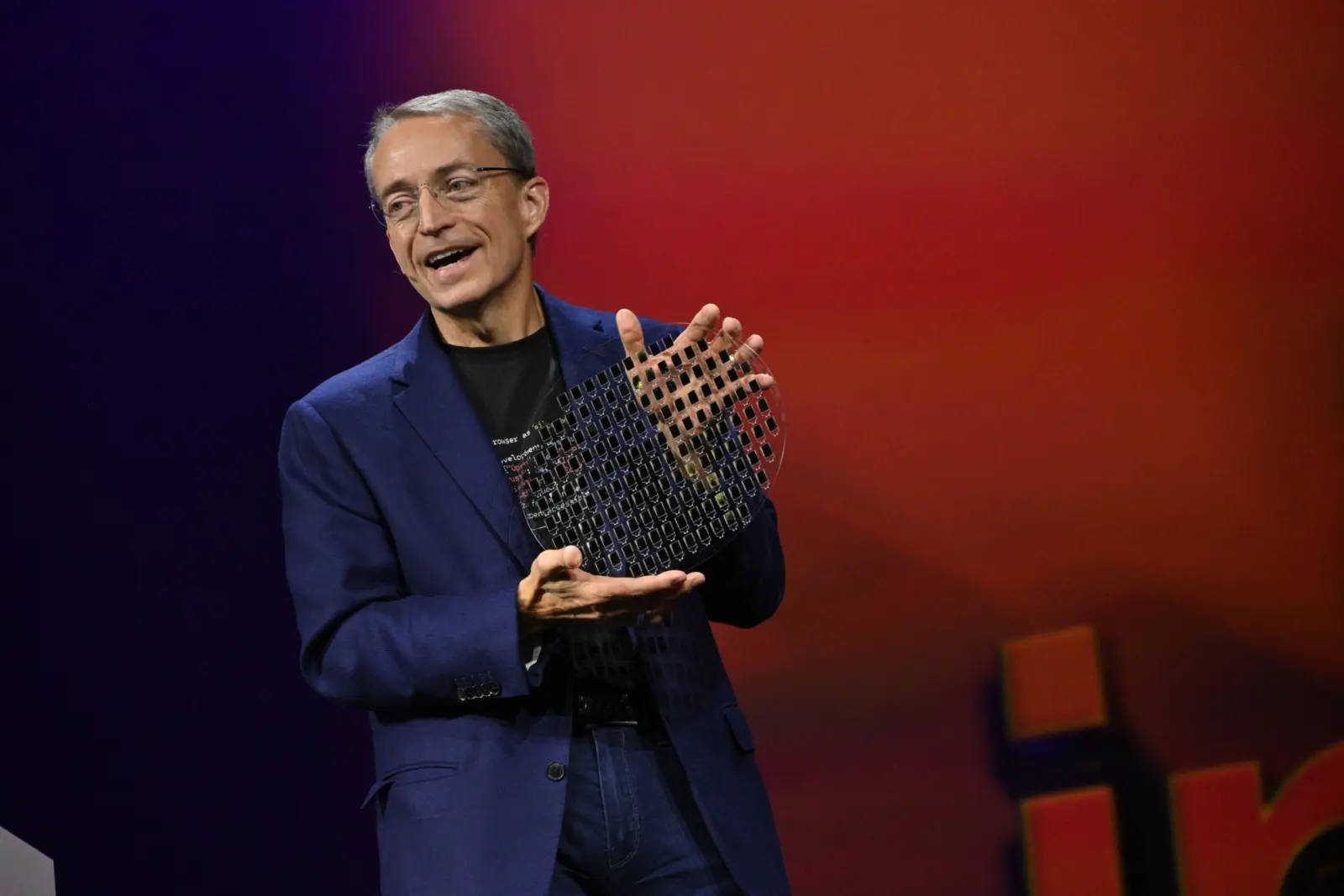
Former CEO explains strategic blind spot that allowed NVIDIA to build an unassailable lead in AI and gaming hardware
Gelsinger made these remarks during an appearance on the All-In podcast, where he analyzed the competitive dynamics between the two semiconductor giants. He compared NVIDIA CEO Jensen Huang to Steve Jobs, noting Huang's ability to anticipate market shifts long before competitors recognized them. The former Intel leader pointed to NVIDIA's early investment in the CUDA programming language and SIMT architecture as key differentiators that Intel overlooked.
The executive explained that Intel viewed NVIDIA's early hardware as mere graphics machines suitable only for gamers. He recalled that Intel engineers scoffed at the idea that such devices could power serious computational workloads. This dismissal ignored the growing demand for general-purpose computing on GPUs, which eventually became the foundation of modern data centers.
Gelsinger also issued a stark warning about global supply chain vulnerabilities, stating that a blockade of Taiwan would trigger an economic crisis worse than the Great Depression. He further predicted that quantum computing would achieve meaningful results and reach quantum supremacy before 2030. These comments underscore the high stakes involved in semiconductor manufacturing and next-generation computing research.
We have been tracking Intel closely and recently covered how current CEO Lip-Bu Tan admitted the company lost data center leadership during Gelsinger's tenure. That earlier report confirms the strategic drift Gelsinger now acknowledges regarding their position in high-performance computing markets. We've been tracking Intel closely — see our earlier coverage on Intel CEO Lip-Bu Tan Admits Data.

Discussion
0 comments
Log in to join the thread with a thoughtful take, question, or correction.