
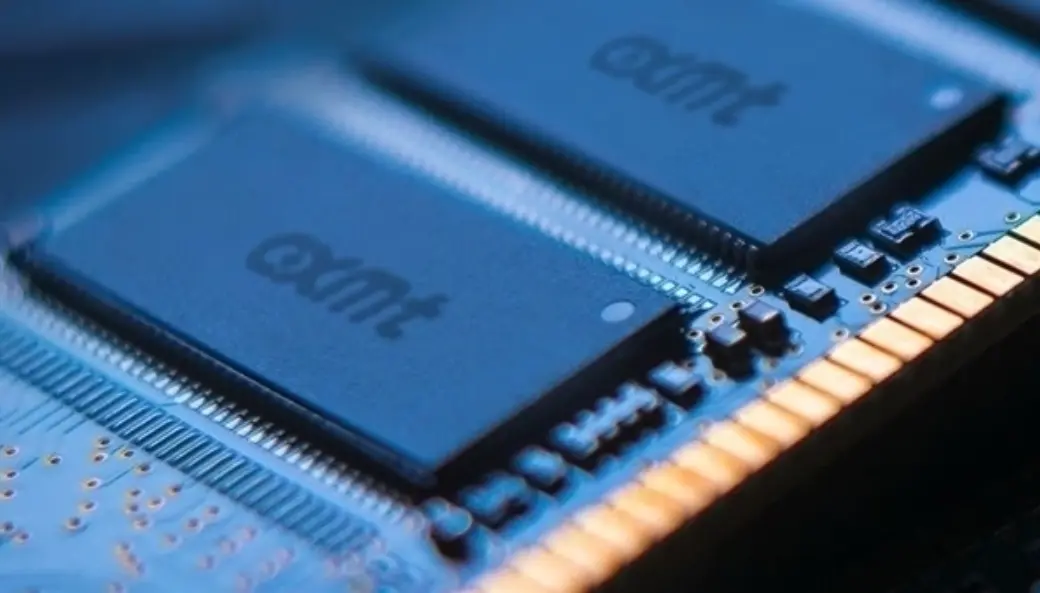
Major PC vendors including HP, ASUS, and Acer are quietly integrating DRAM chips from Chinese manufacturer CXMT into their latest laptops. This shift matters because it signals a practical response to a tightening global memory supply that threatens device availability for buyers in specific regions. PC companies must navigate this transition carefully to maintain stable production lines without triggering supply chain disruptions.
Major PC vendors integrate Chinese memory chips into non-US laptops
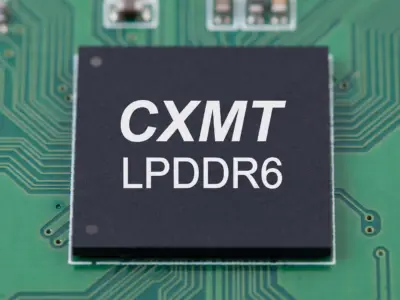
The adoption centers on CXMT DRAM chips, which have completed certification by major PC vendors around mid-2024. These chips are currently deployed in laptops sold exclusively in non-US markets due to geopolitical and supply chain constraints. HP, ASUS, and Acer have begun small-batch adoption of these components as they adjust their manufacturing strategies.
CXMT prioritizes supply for mainland China customers, creating a distinct allocation strategy for its memory products. This preference means that international buyers outside the United States are the primary recipients of devices containing these chips. The supply chain structure reflects a broader trend where regional availability dictates component sourcing for major hardware brands.
PC vendors remain highly cautious regarding the use of CXMT chips, especially in the current seller's market environment. A PC enterprise executive stated that the three major manufacturers account for more than 90% of the global DRAM market share. The executive added that companies must keep a low profile regarding CXMT usage and currently dare not purchase in large quantities. This caution stems from potential backlash from established suppliers like Micron, Samsung, and SK Hynix.
The broader market context involves significant volatility in memory availability. IDC predicts that global PC shipments will drop over 11% in 2026 due to memory shortages. This forecast highlights the structural challenges facing the industry as vendors balance supply constraints with consumer demand for new devices.

Discussion
0 comments
Log in to join the thread with a thoughtful take, question, or correction.