
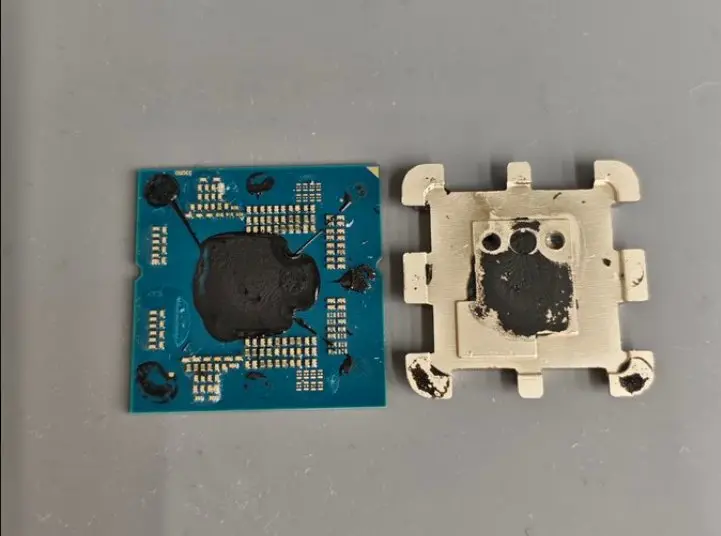
A Japanese DIY store found a 100% fake and useless AMD Ryzen 9 9900X3D CPU. This is important because there is a new type of fraudulent activity here that goes beyond mere die-switching – this is a completely empty unit. Be sure to check out high end CPU purchases, this fake CPU actually looks just like the real thing.
Japanese retailer discovers completely empty processor unit
PC 1's – a Japan-based retailer – received this news after a customer tried to use the CPU. The CPU immediately wouldn't boot, which led to a physical inspection of the unit which revealed the ruse. This CPU was said to be a Ryzen 9 9900X3D CPU – this is a high-end CPU released by AMD.
- Core Count: 0 (Fake)
- Thread Count: 0 (Fake)
- Die Presence: None
- Passive Components: Missing
- IHS Laser Etching: Incorrect spacing and depth
The technical check determined that this was indeed just a metal heat spreader + empty substrate. The silicon die, capacitors, or resistors are all non-existent on the board. Even the laser-etched integrated heat spreader had the wrong spacing between fonts and depth of etching when compared to other (real) AMD CPUs.
This is a much worse type of CPU fraud because there are no components to perform on this chip. Usually, you see a "downgrade" in which a lower tier die is substituted into a premium package. This is a total black box – basically this fake CPU is a total no-show when it comes to providing a CPU to the user.
We previously talked about price changes for other X3D AMD CPUs such as Ryzen 5 5600X3D. However, this shows some of the danger within the grey/black market. In this case, there's no way to tune or even use this CPU for anything. Just be aware when buying high end gear that there are 'hollow' CPUs that look like the real deal out there.


This is terrifying. I have been buying grey market parts for years. Never again.
just a metal lid and air. 😂
How did the motherboard even attempt to POST with zero cores detected on the socket?
It likely failed the initial CPUID handshake. The BIOS halts before loading any OS drivers when it detects an invalid processor signature during the early boot sequence.