
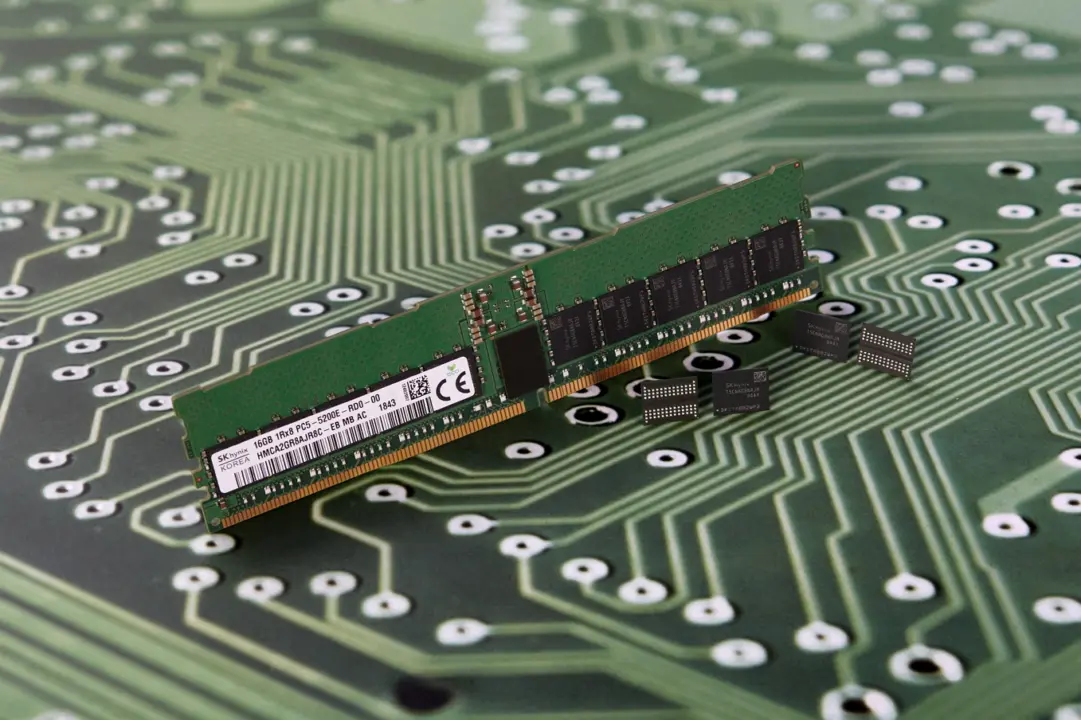
Memory buyers should brace for significantly higher costs as ADATA Chairman Chen Li-bai forecasts a 30% increase in DRAM prices and a 40% jump in NAND costs by the third quarter of 2026. This sharp pricing shift reflects a broader industry reality where demand for AI computing and power infrastructure continues to outpace supply. Consumers and enterprises relying on memory components will face tighter budgets and constrained availability in the near term.
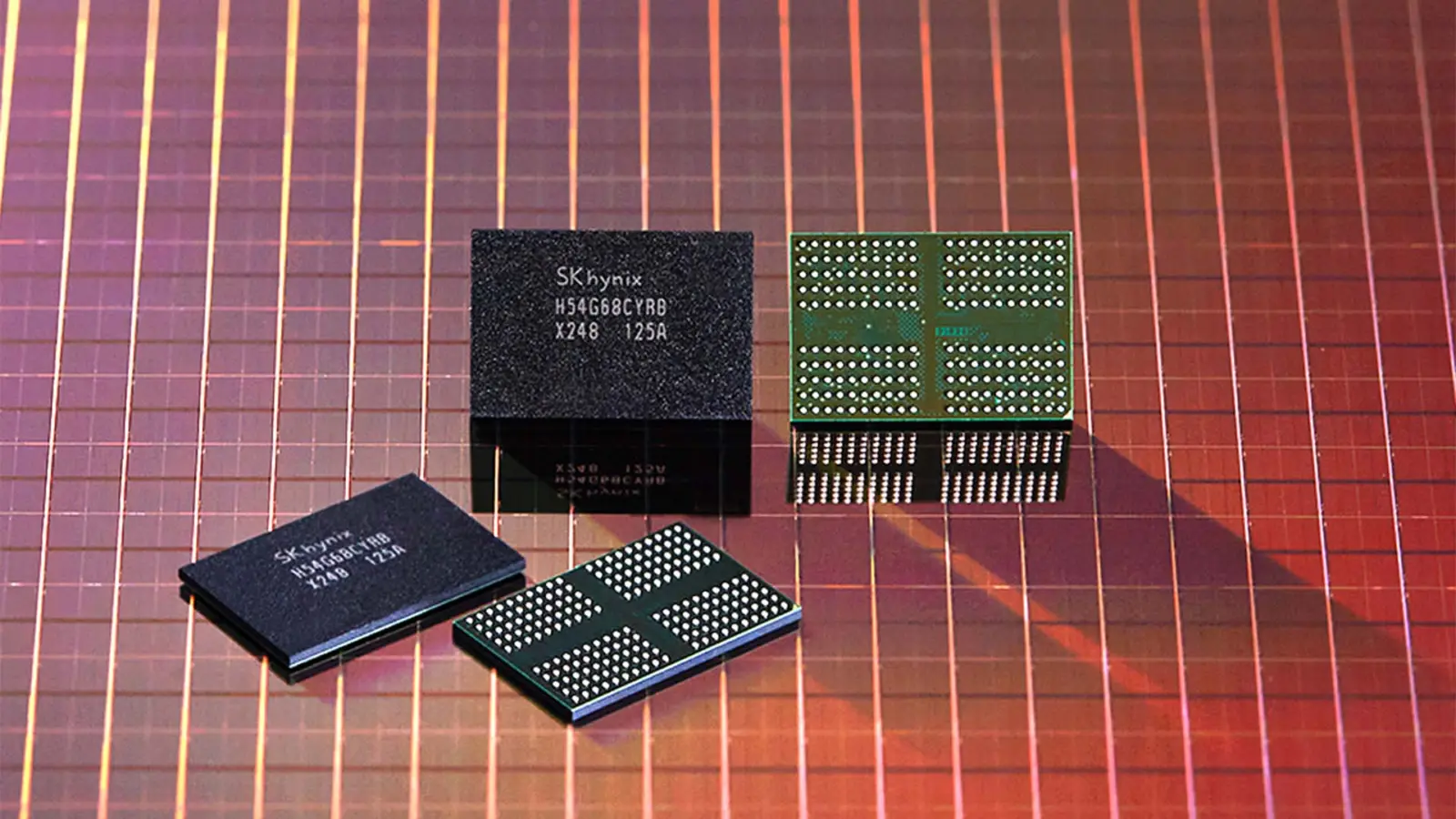
Chen Li-bai predicts persistent supply constraints through the mid-2030s
The forecast comes from Chen Li-bai, who leads ADATA, a major player in the memory storage market. He argues that the current shortage is not a temporary blip but a structural shift driven by the relentless growth of artificial intelligence workloads. Major manufacturers including Samsung, SK Hynix, and Micron are adopting cautious expansion strategies to avoid overcapacity, which extends the timeline for price normalization.
- DRAM Price Increase Forecast: 30%
- NAND Price Increase Forecast: 40%
- Shortage Duration Forecast: 10 years
Chen predicts that DRAM shortages will persist for another 10 years, pushing the timeline for market balance well into the mid-2030s. New fabrication plants and expansion projects are currently planned for the 2028 to 2035 window, which aligns with his long-term supply outlook. This extended timeline suggests that the industry must prioritize infrastructure growth over rapid price competition.
Regarding the broader tech economy, Chen stated, "We can discuss whether the AI bubble will occur in 2040 or 2050 after 2030." He believes it is too early to debate potential AI market corrections while fundamental demand for memory and computing power remains strong. We've been tracking DRAM closely — see our earlier coverage on Server DRAM Prices to Jump 13-18%.
The immediate implication for the market is a confirmed trajectory of rising component costs through 2026, with long-term scarcity expected to last until at least 2036. Buyers should anticipate higher prices for systems utilizing DRAM and NAND storage as manufacturers adjust to sustained demand.
Discussion
0 comments
Log in to join the thread with a thoughtful take, question, or correction.