
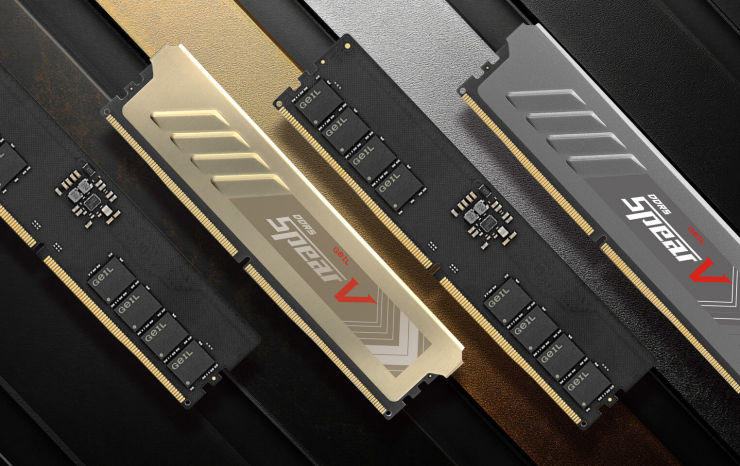
PC builders in Germany are facing a severe cost barrier as DDR5 memory prices have surged by 448 percent over the last year. This dramatic inflation makes upgrading or assembling a new system significantly more expensive for consumers. The average price index for 20 monitored memory kits has shifted from affordable components to a major budget item.
DDR5 memory costs in Germany have skyrocketed by 448% over the past year, severely impacting PC builders and upgrade budgets.
The data comes from 3DCenter, which analyzed pricing trends on the Geizhals platform between July 2025 and July 2026. The analysis covers a wide range of DDR5 kits, including single sticks and dual-channel pairs with speeds from 5600 MT/s to over 7200 MT/s. This broad coverage highlights that the price hike is not limited to a single niche but affects the entire market segment.
- DDR5 8GB/5600 Price Increase: +392% (from 24€ to 118€)
- DDR5 16GB/5600 Price Increase: +410% (from 39€ to 199€)
- DDR5 2x16GB/6000 Price Increase: +431% (from 75€ to 398€)
- Average Price Index Increase: +448% (20-model average)
Specific models show staggering percentage increases that far exceed the average. The 8GB DDR5/5600 kit jumped from 24 EUR to 118 EUR, marking a 392 percent rise. Meanwhile, the 16GB DDR5/5600 kit increased from 39 EUR to 199 EUR, a 410 percent gain. The 2x16GB DDR5/6000 kit saw an even sharper climb from 75 EUR to 398 EUR, representing a 431 percent increase.
Prices continued to climb rapidly in the final month of the observed period. The average index rose by 7.1 percent in July 2026 alone, indicating that the trend is still active. Current retail prices in Germany stand at 118 EUR (around $135) for the 8GB kit, 199 EUR (around $227) for the 16GB kit, and 398 EUR (around $455) for the 2x16GB kit.
We've been tracking DDR5 Memory closely — see our earlier coverage on DDR5 Memory Prices in Germany Hit. These figures confirm that memory costs are now a primary constraint for PC enthusiasts and gamers in the region. The sustained upward trajectory suggests that budget planning for hardware upgrades requires significantly higher allocations than in previous years.
Discussion
0 comments
Log in to join the thread with a thoughtful take, question, or correction.