
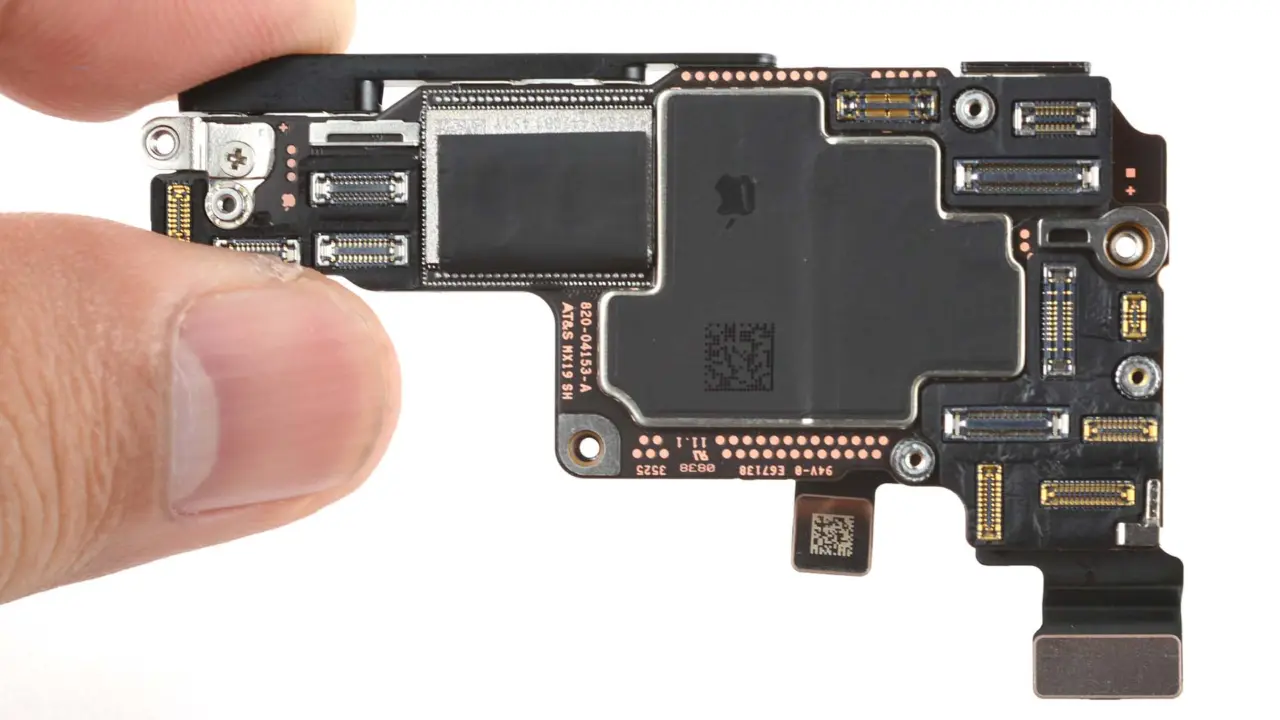
Apple faces an unusual supply chain squeeze as AI data centers gobble up the LPDDR5X memory chips needed for its next-generation devices. This shift means buyers of upcoming Macs and iPhones may see steeper price hikes as Apple competes for a shrinking pool of high-speed DRAM. The company must now navigate a market where server demand significantly outpaces mobile requirements.
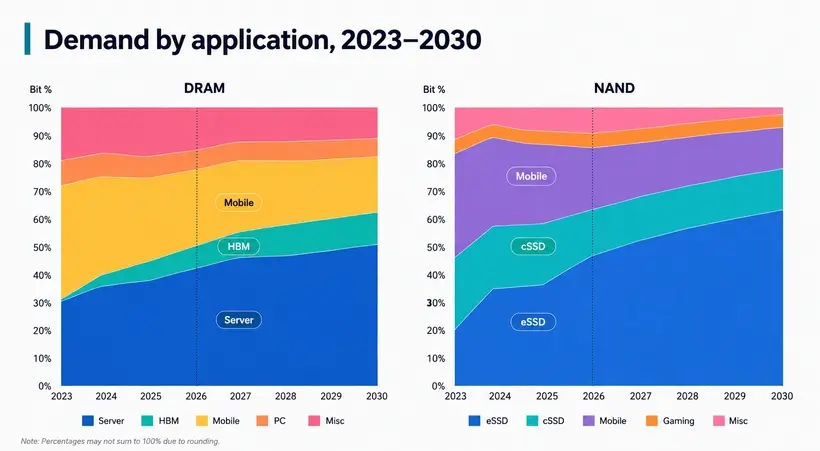
AI data centers claim half of global DRAM supply, squeezing Apple's memory stockpile
The core of this shortage stems from the specific memory type called LPDDR5X SOCAMM2, which is critical for both AI inference and mobile performance. Server racks typically require massive amounts of this memory, often housing 2TB of LPDDR5X RAM per CPU setup. This volume dwarfs Apple's 12GB memory configuration found in the iPhone 17 Pro, creating a severe capacity imbalance.
LPDDR5X offers distinct technical advantages that drive this demand, including one-third the power consumption of standard DDR5 memory. It makes up only 7 percent of the total power draw in these systems while providing increased throughput for AI tasks. This efficiency helps manage large context windows and KV caches, making it the preferred choice for data center applications.
Server applications now utilize 50 percent of the entire global DRAM supply, leaving fewer chips available for consumer electronics. Apple's existing stockpile of DRAM is dwindling as it tries to secure enough units for its product lineup. This scarcity has forced the company to absorb higher costs, which it is passing on to consumers.
Apple has announced price hikes on various products, including Macs, with premiums reaching up to $1,300. These increased costs reflect the reality of competing with AI infrastructure for limited memory resources. The company may also look toward Chinese memory makers like CXMT or YMTC, though relationships with these suppliers remain strained.
Apple appears to be conceding ground in the memory market as it adapts to these new supply constraints. The shift highlights how AI infrastructure is reshaping hardware availability for major technology manufacturers. Buyers should expect higher prices as the industry prioritizes server-grade memory over mobile components.


Discussion
0 comments
Log in to join the thread with a thoughtful take, question, or correction.