
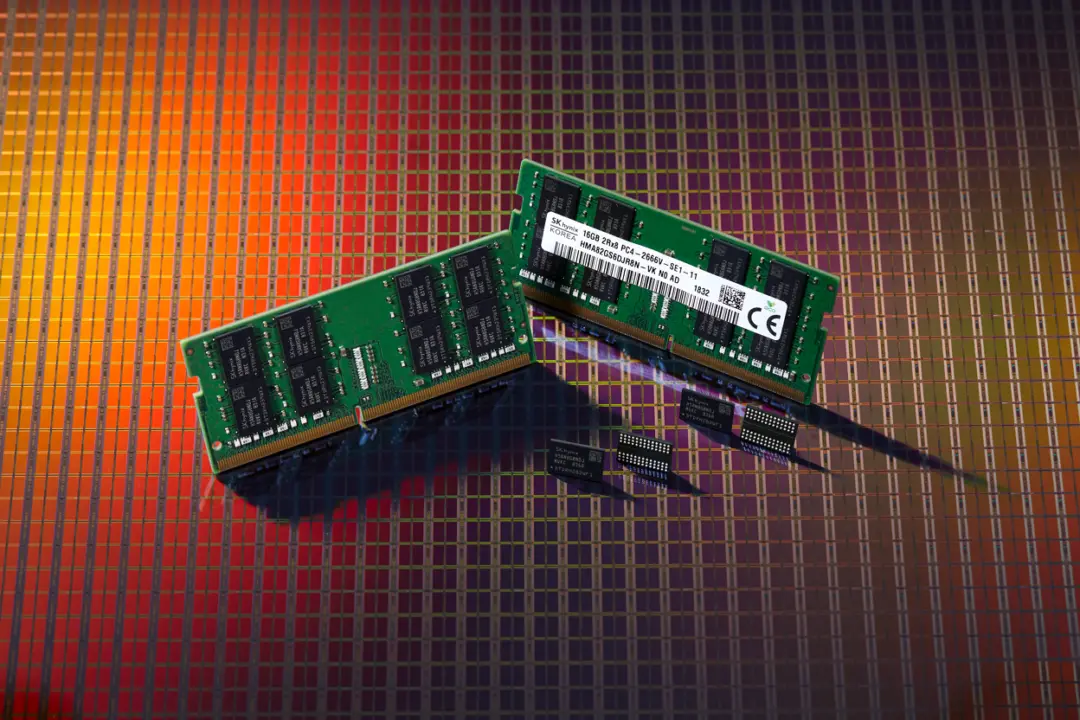
Memory and storage prices in China have reached their highest levels in 15 years, fundamentally altering the cost structure for PC builders and laptop buyers. This surge forces consumers to pay significantly more for basic components and compels manufacturers to reconsider their entry-level product lines. The market shift stems from a massive diversion of manufacturing capacity toward AI hardware, leaving traditional consumer memory and storage severely constrained.
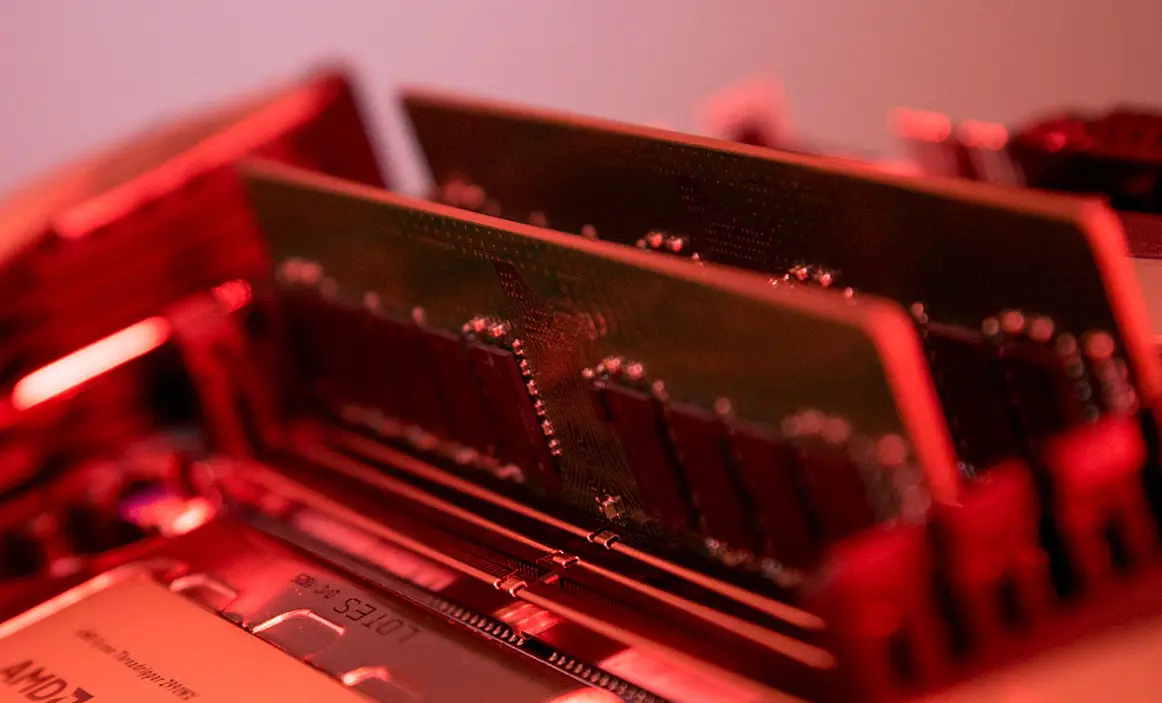
AI chip demand diverts manufacturing capacity, driving component costs to 15-year highs
Major manufacturers Samsung, SK Hynix, and Micron are prioritizing High Bandwidth Memory (HBM) production to meet exploding AI compute demand. This strategic pivot has diverted 70 to 80 percent of their advanced fabrication capacity away from standard DRAM and NAND flash chips. Consequently, the supply of conventional memory modules has tightened drastically, driving up costs across the entire hardware ecosystem.
- 32GB DDR5 Memory Price Increase: From 900 CNY to nearly 3800 CNY (over 320% increase)
- 1TB SSD Price Increase: From 410 CNY to 950 CNY
- Samsung Q2 Operating Profit: 89.4 trillion KRW (approx. 58.4 billion USD), up 1810% YoY
- Memory Cost Share in PC BOM: Increased from 15% to over 35%
Specific component prices illustrate the severity of this shortage. A 32GB DDR5 memory kit has jumped from 900 CNY (around $133) to nearly 3800 CNY (around $561), representing an increase of over 320 percent. The cost of a 1TB solid-state drive has more than doubled, rising from 410 CNY (around $60.49) to 950 CNY (around $140). These figures reflect the current market reality in the Huaqiangbei electronics district, where merchants report shipping inventory up to six times per day.
The financial impact on system integrators is immediate and substantial. Memory costs now account for more than 35 percent of a PC's bill of materials, a sharp rise from the previous 15 percent share. This increased expense forces laptop makers to cut entry-level lines or raise retail prices to maintain margins. Samsung reported a record second-quarter operating profit of 58.4 billion USD, up 1810 percent year-over-year, as the industry capitalizes on these supply constraints.
We looked at Samsung DDR5 Memory Prices Surge 300% earlier while tracking Samsung / sk hynix / micron launches. Industry observers interpret this trend as a move toward a long-term structural high prosperity phase rather than a temporary cyclical rebound. Consumers should expect persistent price premiums on memory and storage components as AI demand continues to dominate semiconductor manufacturing priorities.
The current pricing environment reflects a permanent reallocation of semiconductor resources toward artificial intelligence workloads. Buyers seeking budget builds must anticipate higher costs for essential components like RAM and SSDs. Manufacturers are adjusting their product strategies to accommodate these new cost realities in the near term.
Discussion
0 comments
Log in to join the thread with a thoughtful take, question, or correction.