
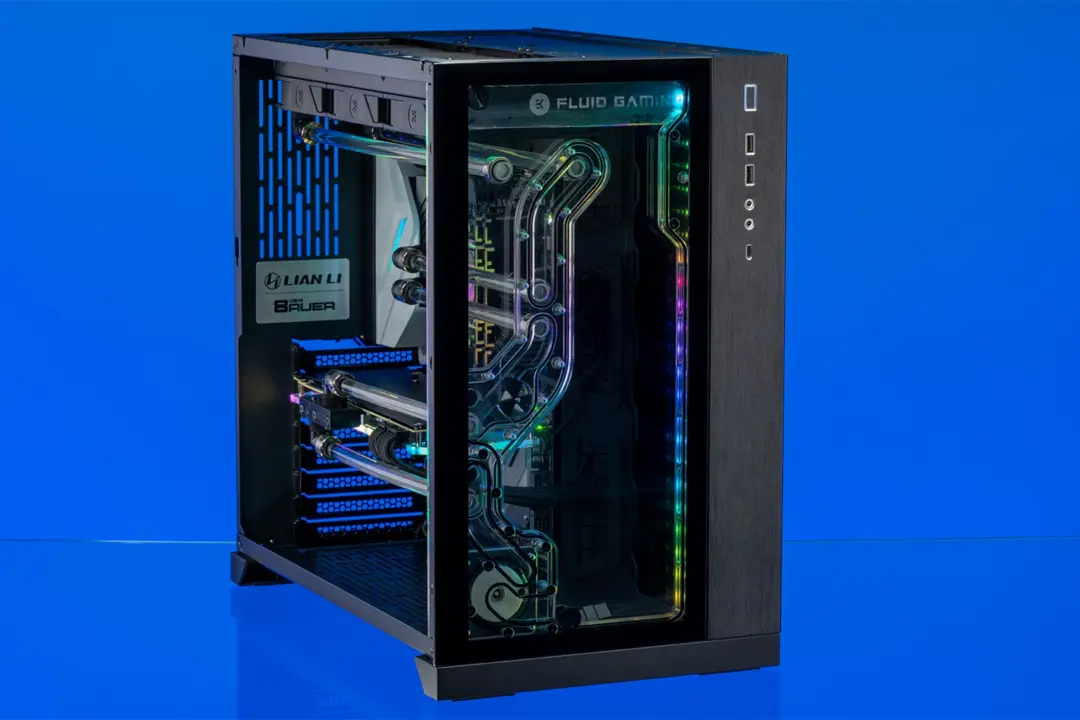
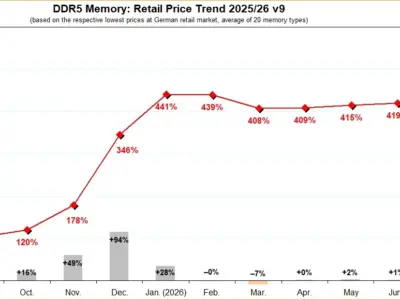
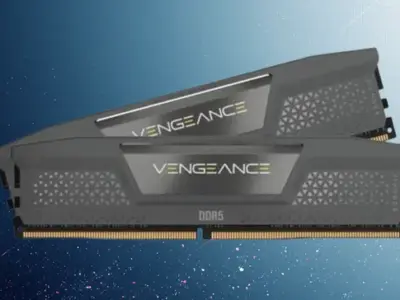
Building a PC in 2026 costs significantly more than it did just a year ago, and that shift is forcing buyers to rethink their hardware choices. Memory and storage manufacturers have driven prices up by three to six times since late 2025, making the DIY market nearly unaffordable for many enthusiasts. We have seen a single 16GB DDR5 memory stick hit the 2000 RMB (around $296) mark, which translates to a steep investment for a single component. This price surge means that assembling a custom machine now often costs more than buying a pre-built system with similar specifications.
Memory and storage costs surge three to six times, making custom builds more expensive than pre-builts
The core of this price hike involves DDR4 and DDR5 memory modules alongside solid-state drives. A 512GB SSD now sells for approximately 500 RMB (around $73.93), reflecting a sharp increase from prices seen two years ago. These components are essential for any modern PC build, and their inflated costs directly impact the total price of a desktop or laptop. The supply squeeze stems from high demand for advanced chips in AI servers, which has reduced the availability of consumer-grade memory and storage.
- DDR4/DDR5 Memory Price Increase: Up to 3-6x increase since late 2025
- 16GB DDR5 Memory Price: Approx. 2000 RMB
- 512GB SSD Price: Approx. 500 RMB
- Mini PC Price Increase: From ~10,000 RMB to ~20,000 RMB
Mini PCs have also experienced dramatic price jumps, with models like the AMD Ryzen AI Max+ 395 doubling in cost. These units previously started around 10,000 RMB (around $1,479) but have now risen to approximately 20,000 RMB (around $2,957). This trend affects compact desktop users who relied on affordable small-form-factor options. The increased cost of these pre-built mini systems signals that the price inflation is not limited to individual components but extends to complete devices.
Global PC shipments are declining as these cost pressures dampen consumer demand. We looked at MSI Chairman Warns of Memory Supply earlier while tracking Memory and storage manufacturers launches. Some rumors suggest that next-generation game console release plans are being reconsidered due to these rising storage costs. Consumers can anticipate sustained elevated costs for memory and storage components in the near term due to ongoing supply limitations.
Discussion
0 comments
Log in to join the thread with a thoughtful take, question, or correction.