
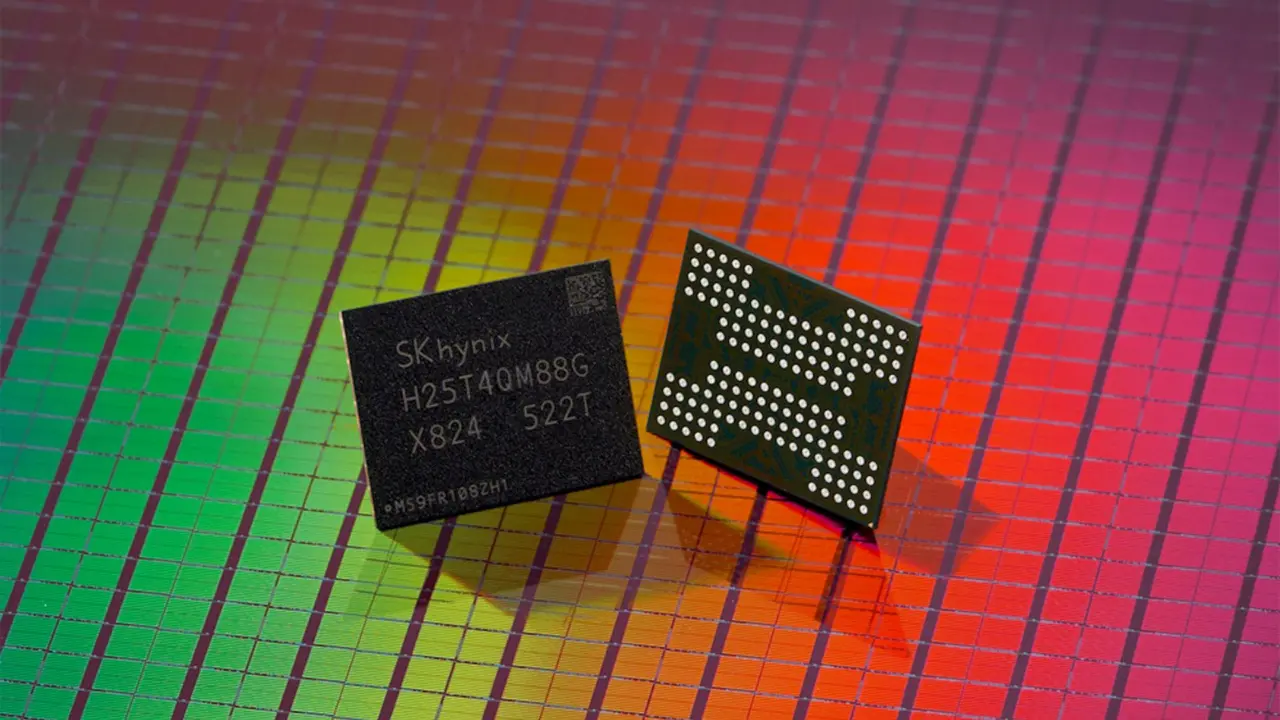
Memory buyers face a tighter supply landscape than expected as SK hynix projects it will add only one-sixth of its planned new DRAM capacity by 2028. This significant shortfall stems from massive delays in building new fabrication ecosystems in South Korea, which industry insiders estimate will take over a decade to complete. This production constraint affects the worldwide supply of high-bandwidth memory and standard DRAM modules used in servers and personal computers.
Bank of America analysis reveals massive fab delays in South Korea
The core issue lies in the construction of new fabs in Gwangju and Jeolla, which are critical for expanding South Korea's operating memory wafer capacity. Bank of America analysis suggests that older plant closures will prevent domestic capacity from growing by more than 10 percent annually. These structural constraints contradict the South Korean government's goal to double national memory capacity by 2030 under President Lee Jae-myung's administration.
SK hynix and its competitors Samsung and Micron are simultaneously facing a class-action lawsuit in a California federal court. Filed on June 25, the legal action alleges that the 'Big Three' memory vendors colluded to fix DRAM prices. The plaintiffs claim the manufacturers intentionally curtailed DDR3 and DDR4 production to pivot resources toward HBM, using artificial supply constraints to drive up costs.
We have been tracking DRAM closely — see our earlier coverage on Samsung, SK Hynix, Micron Face DRAM. Slower capacity growth combined with ongoing legal disputes creates a challenging landscape for hardware manufacturers and enterprise buyers. Supply chain managers need to consider possible price fluctuations as the industry addresses these regulatory and construction challenges.
SK hynix's delayed capacity expansion and the ongoing price-fixing lawsuit underscore the vulnerabilities in the current DRAM supply chain. Buyers should expect continued tightness in memory availability as new fabrication sites take years to reach full operational maturity.
Discussion
0 comments
Log in to join the thread with a thoughtful take, question, or correction.