
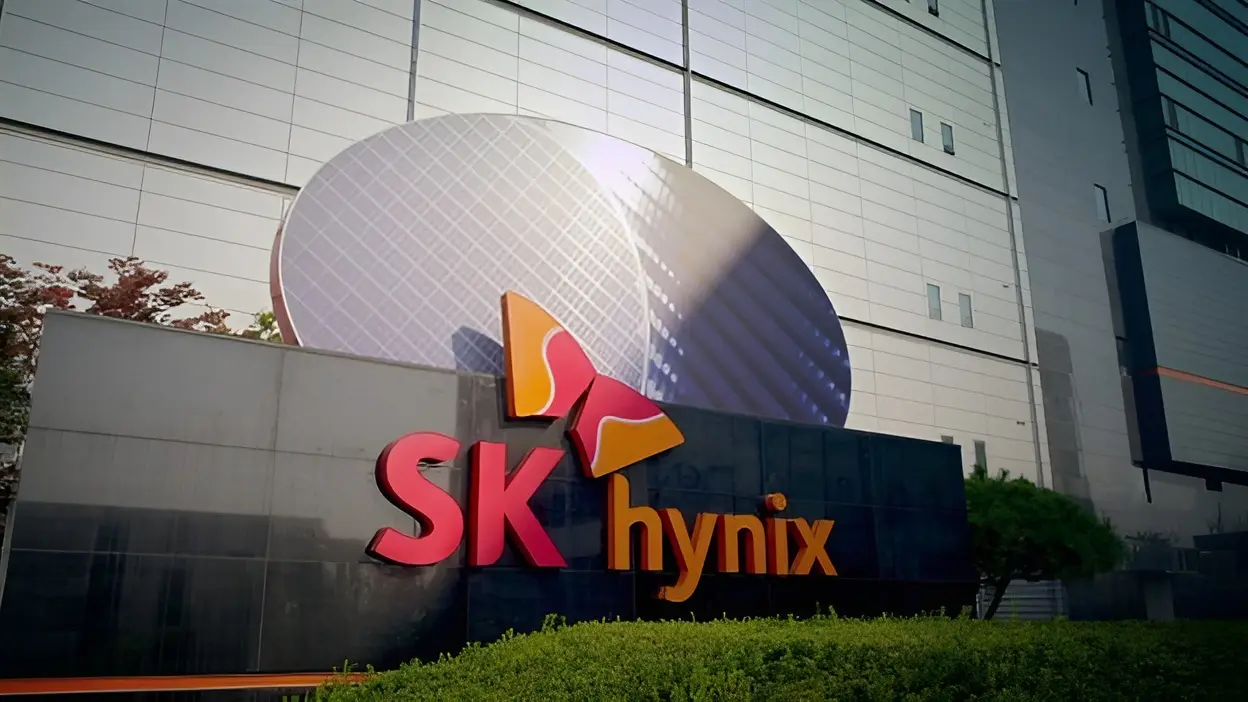
Memory buyers facing high prices for standard RAM may see relief sooner than expected as SK Hynix shifts its manufacturing focus back to DDR5. The company is reallocating resources to address severe supply shortages in the general-purpose DRAM market rather than expanding its dominant high-bandwidth memory (HBM) capacity. This strategic pivot aims to stabilize pricing for consumers and PC builders who rely on standard memory modules for their systems.
Manufacturer delays HBM4 line conversion to capitalize on high DRAM margins
SK Hynix is currently delaying the conversion of its fifth-generation HBM production lines, which were originally scheduled to transition to the newer HBM4 standard. Industry sources indicate the company sees no immediate need to accelerate this transition given the current market conditions. The firm is instead prioritizing the production of DDR5 and other general-purpose DRAM products to capitalize on existing supply constraints.
Financial data shows that HBM currently accounts for 40% of SK Hynix's total revenue, but the company is looking to diversify its profit streams. The average selling price of DRAM has risen beyond 60%, and profit margins for general-purpose DRAM are estimated to double by the end of the year. SK Hynix plans to use these improved margins to capture market share from competitor Samsung in the general-purpose DRAM segment.
The shift in production strategy reflects a calculated response to market dynamics rather than a long-term abandonment of AI memory. SK Hynix is adjusting its resource allocation to secure additional profits in the general-purpose DRAM market where supply shortages are severe. The company is avoiding excessive competition for capacity expansion in the HBM sector while addressing the immediate demand for standard memory.
Market analysis suggests that DDR5 prices will not improve significantly despite any temporary increases in production. Once HBM demand picks up again, vendors are expected to set their eyes on the more lucrative DRAM industry once more. This temporary rebalancing offers a short window of supply stability for general-purpose memory users before the industry cycle potentially shifts back toward AI-focused chips.
Discussion
0 comments
Log in to join the thread with a thoughtful take, question, or correction.