

Microsoft has quietly removed its recommendation of 32GB of RAM as the standard for Windows 11. This shift matters because it signals a move toward lower-spec hardware configurations for everyday users. Buyers who plan to upgrade their machines soon may find that 16GB is now the practical baseline rather than 32GB.
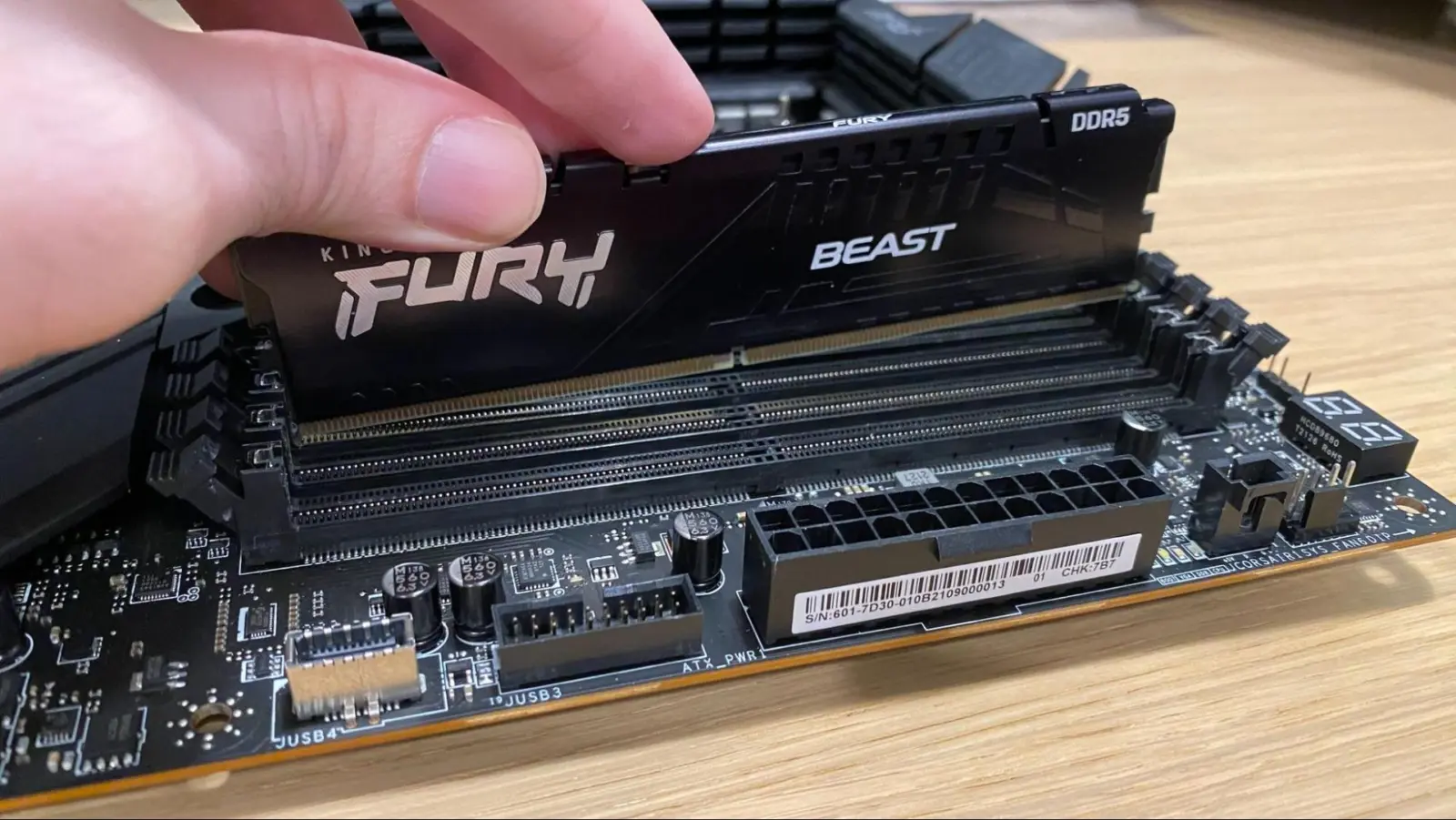
Microsoft updates Windows Learning Center guidance to reflect new hardware realities
The change appears on the Windows Learning Center, which previously guided users on system requirements. Microsoft had labeled 32GB as the future-proof configuration to avoid worries about performance. The site now reflects a different priority as the company adjusts to market conditions.
Microsoft is actively optimizing Windows 11 to reduce its memory footprint. The company promised to make the operating system run efficiently on 8GB of RAM. This technical adjustment supports the release of new Surface devices that start with 8GB of memory.
The new Surface Pro 12, Surface Laptop 13, and Surface Laptop for Business all launch with 8GB base models. This hardware release coincides with a global memory shortage that has driven up RAM prices. The removal of the 32GB recommendation aligns with these economic pressures and new product lines.
Microsoft has not officially confirmed the specific reasons for updating its guidance. The change follows the release of 8GB base models and occurs during a period of rising memory costs. The company continues to focus on optimizing Windows 11 for lower-spec hardware.
The updated guidance reflects a practical shift in how Microsoft supports its ecosystem. Users can now rely on 16GB as the new starting point for their systems. This adjustment helps align software expectations with current hardware availability.

Discussion
0 comments
Log in to join the thread with a thoughtful take, question, or correction.