
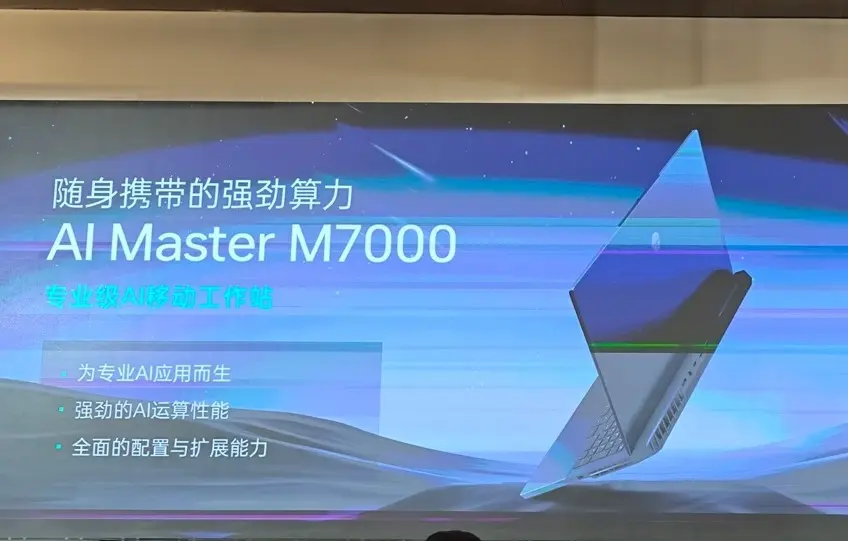
THUNDEROBOT has launched its AI Master M7000 mobile workstation, positioning the device as a high-performance machine for creators and professionals who require local artificial intelligence capabilities. The company also released two companion models to broaden its AI-focused lineup.
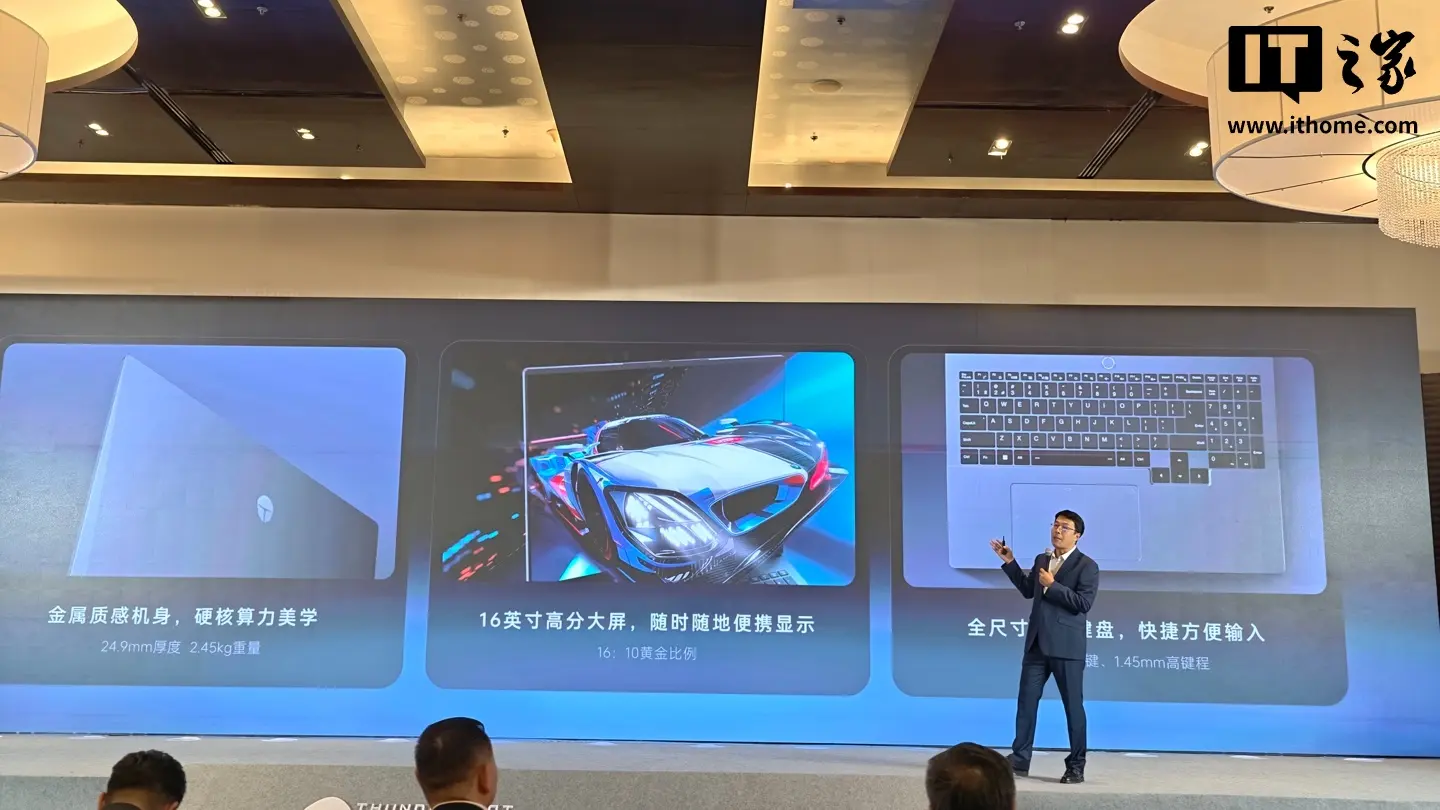
M6000 targets creators while aibook 14 Air Carbon weighs just 1kg for portable local inference
The AI Master M7000 is built around AMD's Ryzen AI Max+ 395 processor paired with NVIDIA graphics hardware. This configuration targets users needing substantial computational power for demanding creative workflows and machine learning tasks that benefit from dedicated GPU acceleration.
Key specifications include support for up to 128GB of system memory, which allows the device to handle large datasets and complex applications without performance bottlenecks. The workstation utilizes Phison's aiDaptiv+ SSD technology to dynamically allocate storage space as additional VRAM, effectively expanding the graphics card's memory capacity for running larger local AI models.
The companion AI Master M6000 model targets students and content creators with a different hardware configuration featuring AMD's Ryzen 9 9850HX processor and an RTX 5070 Ti Laptop GPU. A third device, the aibook 14 Air Carbon, weighs just 1kg and runs on AMD's Ryzen AI 9 H 365 chip, designed for portable local inference of 35-billion parameter models.
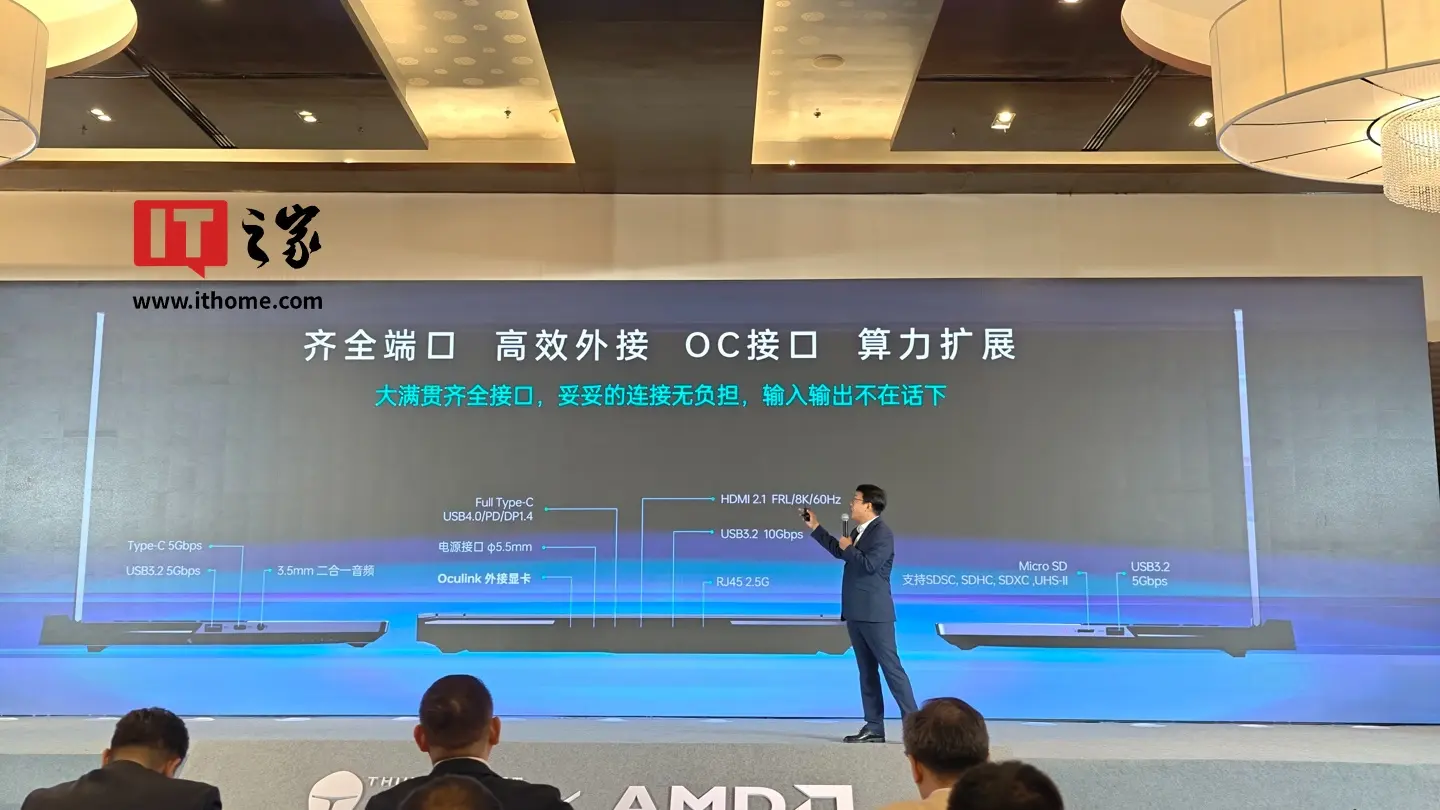
All three devices share Phison's aiDaptiv+ SSD technology to expand VRAM for local inference. This approach allows the machines to handle larger language models by using high-speed storage as an extension of the GPU memory pool.
Discussion
0 comments
Log in to join the thread with a thoughtful take, question, or correction.