
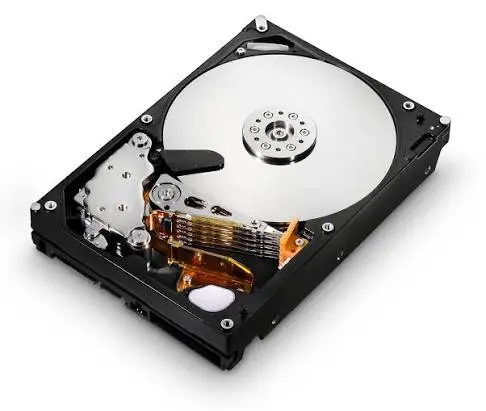
A new academic study analyzing over 443,000 hard drives reveals significant reliability differences between major storage brands. The research covers a 12-year period and tracks more than 1.66 million drive-years of service data. For anyone managing large-scale storage infrastructure, these findings highlight which manufacturers offer the most durable hardware for enterprise environments.
Academic research highlights HGST reliability and Toshiba degradation risks
Researchers Christoph Siemroth and Yeomyung Park examined data collected from Backblaze data centers between 2013 and the second quarter of 2025. The study focused exclusively on enterprise-grade drives deployed in these facilities. This scope means the results reflect the performance of professional storage systems rather than consumer-grade products used in personal computers.
- Study Sample Size: 443,156 hard drives
- Study Time Span: 2013 to Q2 2025
- Total Service Duration: Over 1.66 million drive-years
- HGST Failure Rate Relative to Seagate: 41%
- Western Digital Failure Rate Relative to Seagate: 52%
HGST drives demonstrated the lowest failure rate among the major brands analyzed in the study. Their failure rate stood at just 41% of the rate observed for Seagate drives. Western Digital drives performed better than Seagate but worse than HGST, with a failure rate of 52% relative to Seagate. Toshiba drives recorded the highest failure rate at 107% of the Seagate benchmark.
Environmental factors and drive specifications also played a critical role in hardware longevity. The data shows that failure rates increase by 2.1% for every 1 degree Celsius rise in average operating temperature. Conversely, larger drive capacities correlate with improved reliability, with failure rates dropping by 3.4% for each additional terabyte of storage. Researchers attribute this capacity benefit to helium sealing and advanced head manufacturing techniques used in larger drives.
The overall annual failure rate for the entire Backblaze fleet in 2025 was 1.36%. Toshiba drives experienced a sharp spike in monthly failure rates after five years of service, rising to more than four times their initial rate. Seagate drives started with the highest initial failure rate but remained relatively stable over time. Only 0.52% of the drives in the study sample served for more than 10 years, indicating the data reflects mid-to-short term reliability trends.
This analysis provides concrete evidence for storage planners evaluating vendor reliability for data center deployments. HGST emerges as the most reliable option in this specific enterprise dataset, while Toshiba shows significant degradation risks after extended use. Buyers relying on these findings should note that the data applies strictly to the enterprise drives monitored by Backblaze and may not predict performance for other storage categories.
Discussion
0 comments
Log in to join the thread with a thoughtful take, question, or correction.