
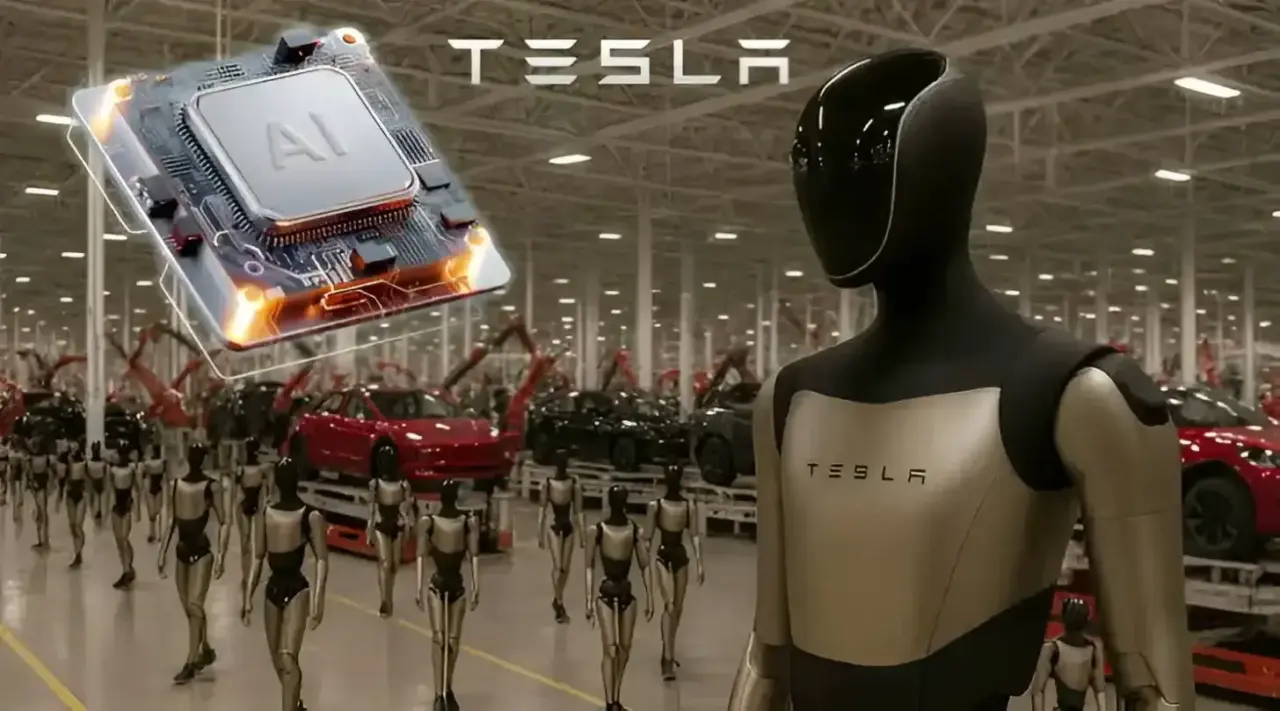
Tesla is scaling back the memory capacity in its next-generation AI chips to prioritize production volume and cost efficiency for its Optimus robot line. This strategic shift means buyers and observers should expect the AI5 and AI6 processors to ship with significantly less RAM than previously anticipated, a move that directly impacts the hardware roadmap for Tesla's humanoid robotics division.
Tesla reduces AI5 and AI6 chip memory to 72GB and 144GB to secure Optimus production volume
The changes affect two specific silicon models: the AI5 and the AI6 chips. Elon Musk confirmed that the company is deliberately reducing the memory footprint on both units to ensure they can be manufactured in sufficient quantities. This decision frames the memory reduction as a necessary trade-off to meet production targets rather than a performance compromise.
The AI5 chip now features 72GB of LPDDR5 memory, which represents a 50% reduction from its prior configuration. The AI6 model has been adjusted to include 144GB of LPDDR6 memory, marking a one-third cut from its previous capacity. These specific specifications define the new hardware constraints for Tesla's AI infrastructure.
Musk stated that the company believes this memory reduction will have a negligible effect on Optimus performance. The primary goal of this adjustment is to secure enough production volume while greatly reducing overall costs. This approach allows Tesla to maintain its manufacturing momentum without significantly impacting the robot's operational capabilities.
This update follows earlier reports regarding the Tesla AI5 Chip Tape-Out Complete, Samsung 2nm production timeline. The current memory adjustments build upon that foundational hardware progress by optimizing the final specifications for mass production. Tesla is now focused on delivering these cost-optimized chips to support its broader robotics ambitions.
Discussion
0 comments
Log in to join the thread with a thoughtful take, question, or correction.