
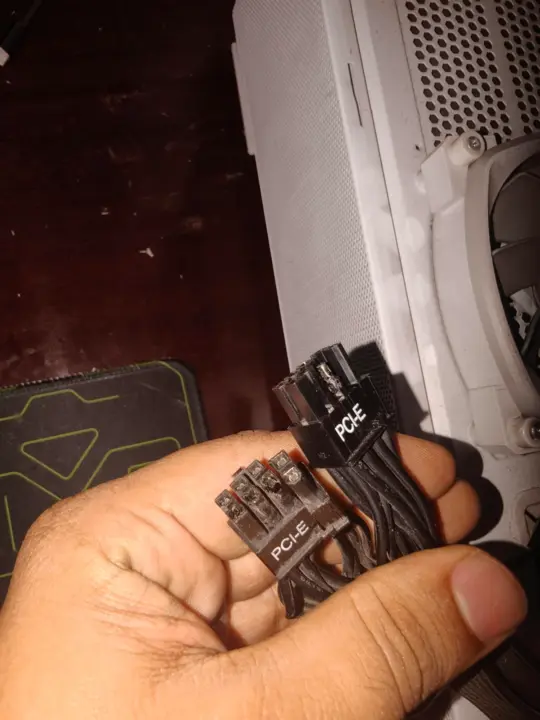
A Reddit user reported that the power cables on their NVIDIA RTX 5080 melted during a gaming session, shifting the conversation from initial sympathy to scrutiny of the system configuration. The incident highlights a critical risk for builders who combine aggressive performance settings with non-native power connections. Users should verify their cabling setup before pushing hardware to its limits.
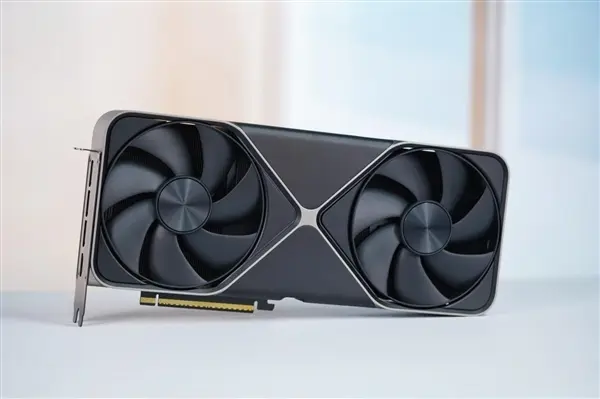
Experts blame adapter contact resistance for melting insulation
The graphics card in question was running an overclocked state with DLSS 5 enabled, a feature that significantly increases power draw. The user paired this high-demand configuration with a 750W power supply unit, which falls short of the 850W recommendation specified for the RTX 5080. This mismatch created a scenario where the power delivery system struggled to maintain stability under peak load.
RTX 5080 Power Configuration
- Recommended PSU: 850W
- Actual PSU Used: 750W
- Cable Type Used: 3-in-1 adapter (octopus)
- Power State: Overclocked + DLSS 5
- Post-Overclock Power: ~400W
A key factor in the failure was the use of a 3-in-1 adapter cable, often referred to as an octopus cable, instead of native 16-pin wiring. Experts analyzing the incident noted that the core issue stems from poor connector contact and adapter quality rather than simple wattage deficiency. Even a tiny gap in the connection can cause contact resistance to skyrocket, leading to localized high temperatures that melt the insulation.
We have been tracking RTX 5080 closely, including earlier coverage on the Zotac RTX 5080 Tianqi OC targets. The consensus among hardware commentators is that native ATX 3.0 or 3.1 cables provide a much safer power delivery path. Builders are advised to avoid adapters and ensure their power supplies meet the recommended wattage for overclocked setups.
The incident confirms that adapter cables introduce significant failure points when handling high power loads. Users relying on these adapters for overclocked GPUs should switch to native cabling to prevent hardware damage. The RTX 5080 requires careful attention to power delivery specifications to operate safely.



Discussion
0 comments
Log in to join the thread with a thoughtful take, question, or correction.