
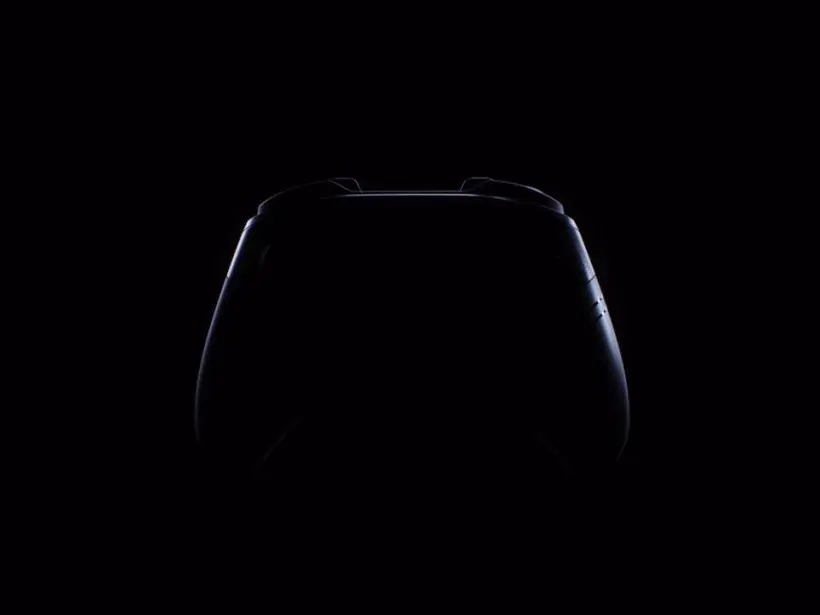
ASUS ROG has teased a new game controller that promises to push the boundaries of input responsiveness for competitive PC gamers. The announcement marks a significant shift in design philosophy, moving away from standard symmetrical layouts to an asymmetric configuration. This change targets players who prefer the precision and ergonomic benefits associated with modern asymmetric controllers. The teaser suggests that ROG is aiming to deliver tangible performance gains alongside aesthetic improvements.
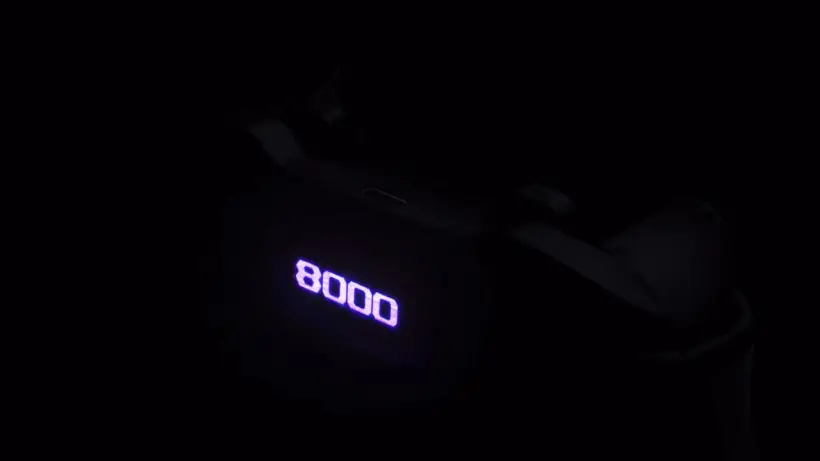
ASUS ROG promises dual upgrades in performance and aesthetics for competitive PC gamers
The upcoming device is identified as the ROG Game Controller, continuing the brand's focus on high-end peripherals. It features an asymmetric layout, a design choice that mirrors the popular Raikiri 2 Xbox Wireless Controller released recently. This positioning places the new ROG product directly in competition with existing high-performance options on the market. The specific model name and exact release date remain unconfirmed, with the current information limited to a product teaser.
The most notable technical specification revealed is an 8kHz polling rate, a substantial leap over the standard 1000Hz or 2000Hz rates found in most controllers. This high polling frequency reduces the time between input and action, which is critical for competitive gaming scenarios. The device also promises dual upgrades in both performance and aesthetics, according to the initial claims from ROG. These specifications suggest a focus on minimizing input latency for serious gamers.
The teaser highlights the controller's asymmetric layout as a key feature, distinguishing it from traditional symmetric designs. This design choice is intended to provide better ergonomics and control for specific gaming genres. The device is part of a broader trend toward higher polling rates in gaming peripherals. The exact pricing and availability details have not yet been disclosed by the manufacturer.
ASUS ROG has confirmed the existence of a new asymmetric controller with an 8kHz polling rate, but has not released a launch date. The product aims to offer performance and aesthetic upgrades over current models like the Raikiri 2. Gamers interested in high-polling-rate hardware will need to wait for further details on pricing and availability. The current information establishes the technical direction of the new peripheral.


Discussion
0 comments
Log in to join the thread with a thoughtful take, question, or correction.