
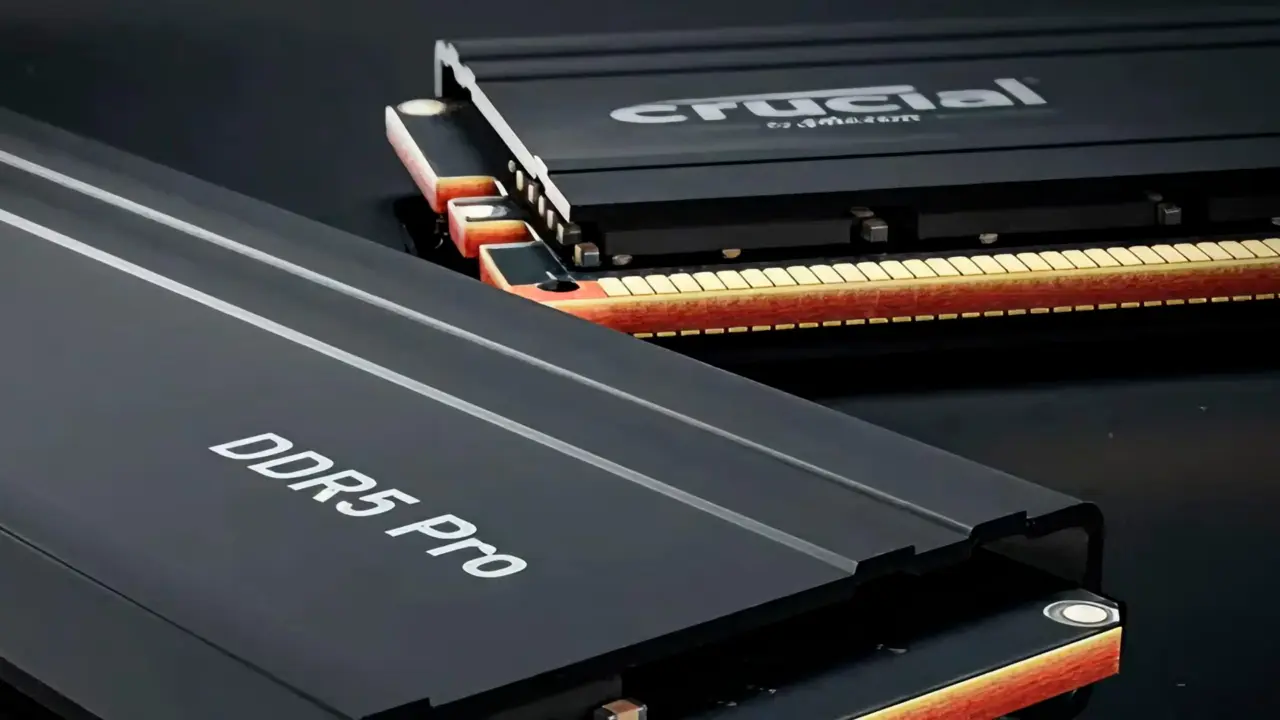
RAM prices have jumped back to levels last seen nearly two decades ago, wiping out twenty years of steady cost declines. This reversal matters because it forces builders and enterprises to rethink budget allocations for memory-intensive workloads. The AI boom has created a severe shortage that is reshaping the entire hardware market.
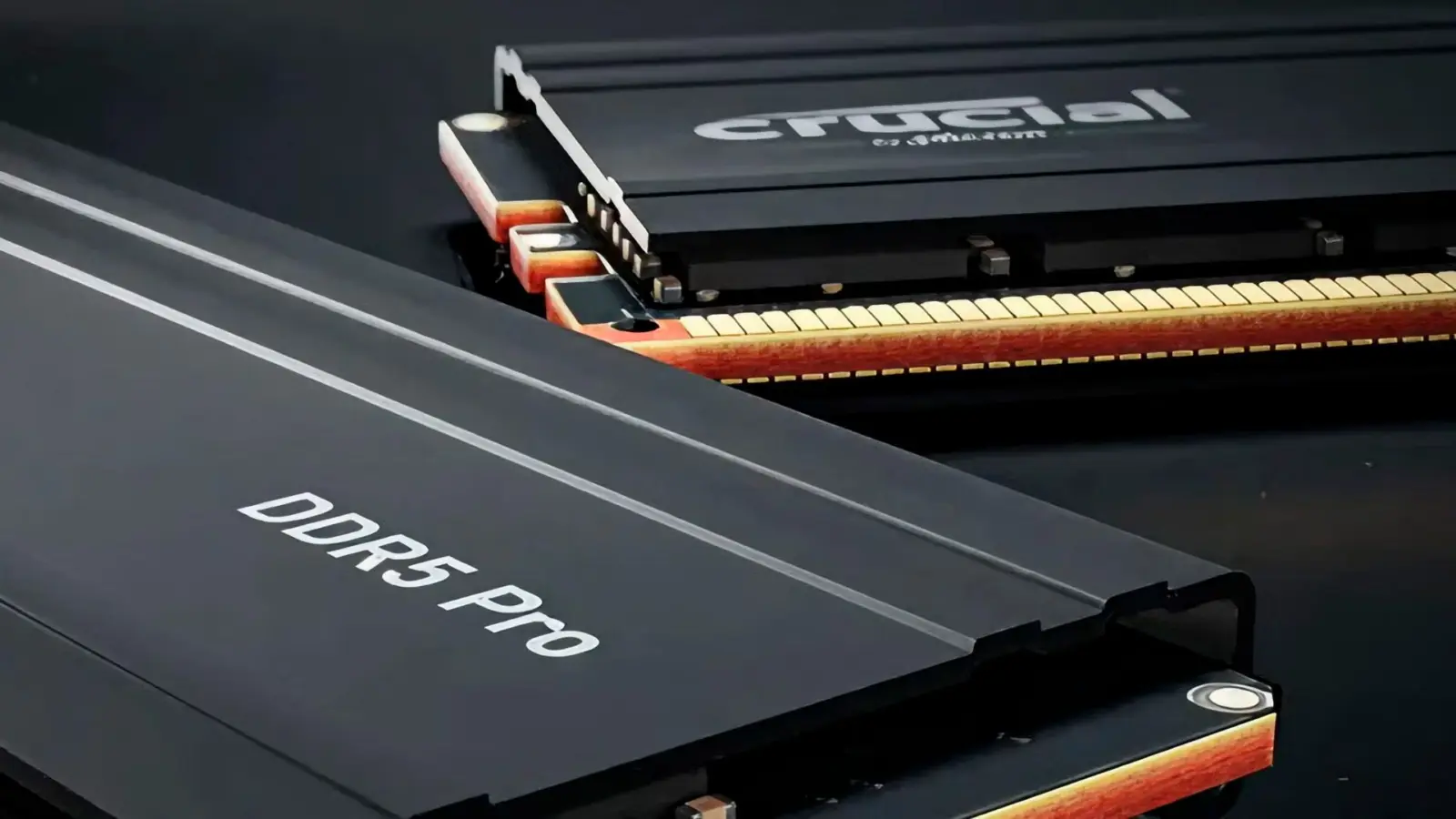
DDR5 costs match 2008 DDR2 prices due to AI chip capacity pull
Micron and other manufacturers are facing unprecedented demand for high-bandwidth memory used in AI training. This surge has pulled capacity away from standard consumer and server DIMMs, creating a supply gap. The result is a market where standard RAM is becoming as scarce and expensive as specialized AI chips.
- DDR5 Price (Nominal): $13.28 – $11.41 per GB
- DDR5 Price (Inflation Adjusted 2024): $12.74 – $10.94 per GB
- DDR2 Price (2008): $15.00 – $11.00 per GB
- DDR3 Price (2011): $11.85 per GB
Current DDR5 pricing sits between $11.41 and $13.28 per GB in nominal terms. When adjusted for 2024 inflation, that range translates to $10.94 to $12.74 per GB. These figures match the cost of DDR2 in 2008 and DDR3 in 2011. The industry has effectively reset its pricing curve to the late 2000s.
Elon Musk stated during a recent SpaceX earnings call that AI memory demand is growing by 200 percent annually. SK Group chairman Lee Jae-yong admitted that RAM prices are currently abnormally high. We do not know how long this crisis will last, but the situation is unsustainable. Something has to give as supply struggles to catch up with exponential growth.
This price anomaly signals a fundamental shift in how memory is valued in the AI era. Purchasers should anticipate elevated prices continuing until additional manufacturing capacity becomes available. The market has moved from a era of falling prices to one of scarcity-driven premiums.
Discussion
0 comments
Log in to join the thread with a thoughtful take, question, or correction.