
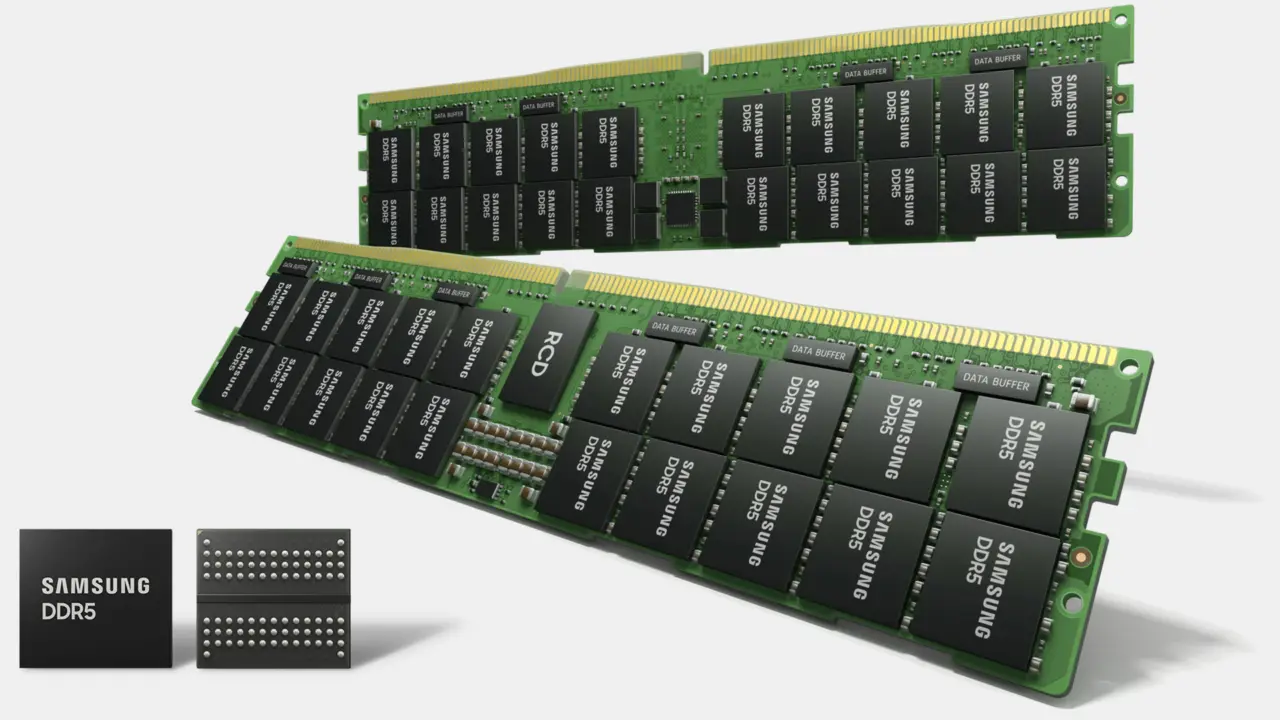
Memory costs have shifted in a way that challenges how we value silicon. DRAM die value per square millimeter now exceeds the cost of TSMC's N3 logic wafers. This inversion matters because it signals that AI demand is pushing memory economics beyond traditional compute boundaries. Buyers tracking component margins should note that memory is no longer the cheaper half of the equation.
AI demand pushes memory economics beyond traditional compute boundaries
Kurnal Insights released this analysis on September 21, 2026, based on current market data. The firm compares the value density of advanced DRAM nodes against leading-edge logic manufacturing. The core finding is that the raw material value of a DRAM die has outpaced the nominal cost of a TSMC N3 wafer. This comparison highlights the intense pressure AI workloads place on memory supply chains.
- TSMC N3 Wafer Cost (Nominal): $20,000 / ~$0.283/mm²
- TSMC N2 Wafer Cost (Nominal): $30,000 / ~$0.424/mm²
- 1y DRAM Value: $0.329/mm²
- 1z DRAM Value: $0.410/mm²
- 1b DRAM Value: $0.654/mm²
The analysis relies on specific cost and density figures for different technology nodes. TSMC N3 wafers cost approximately $20,000, which translates to $0.283 per square millimeter. In contrast, 1b DRAM reaches a value of $0.654 per square millimeter based on a $1.50 per gigabit assumption. Even 1z DRAM, at $0.410 per square millimeter, surpasses the N3 logic cost. Current DDR5 eTT spot prices support this valuation, trading at $1.55 per gigabit.
Spot market transactions for DDR5 remain limited and sporadic. This means the $24.80 price for a 16Gb chip does not necessarily reflect the bulk contract prices that major vendors like Micron, Samsung, and SK hynix secure. The calculations also ignore packaging costs, which differ significantly between logic and memory chips. Comparing estimated wafer prices with DRAM spot prices is not an exact apples-to-apples comparison, but it illustrates the direction of the market.
AI demand is driving memory prices to record highs with no immediate drop expected. The nominal comparison shows that advanced memory nodes carry a higher per-area value than leading-edge logic. We looked at memory pricing trends earlier while tracking AI hardware launches. This data confirms that memory costs are rising faster than logic manufacturing costs in the current cycle.
Discussion
0 comments
Log in to join the thread with a thoughtful take, question, or correction.