
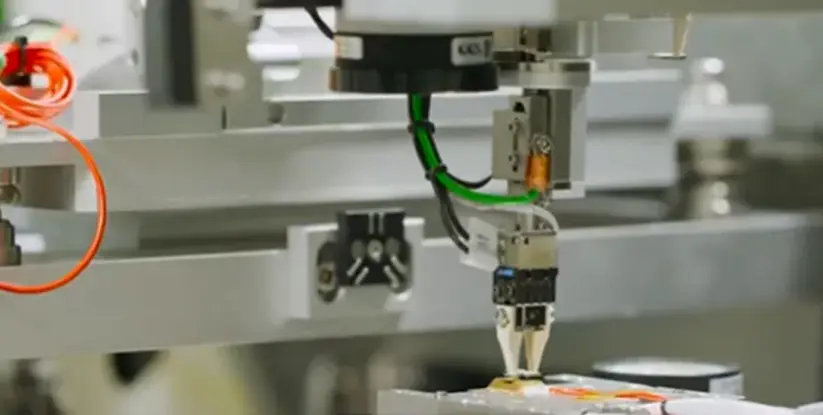
NVIDIA has moved its Spectrum-X Ethernet silicon-photon switch from prototype to full-scale mass production. This shift matters because it addresses the severe power and heat bottlenecks that currently limit the size of AI data centers. Data engineers can now scale their GPU clusters without hitting the thermal walls that have stalled previous generations of networking hardware.
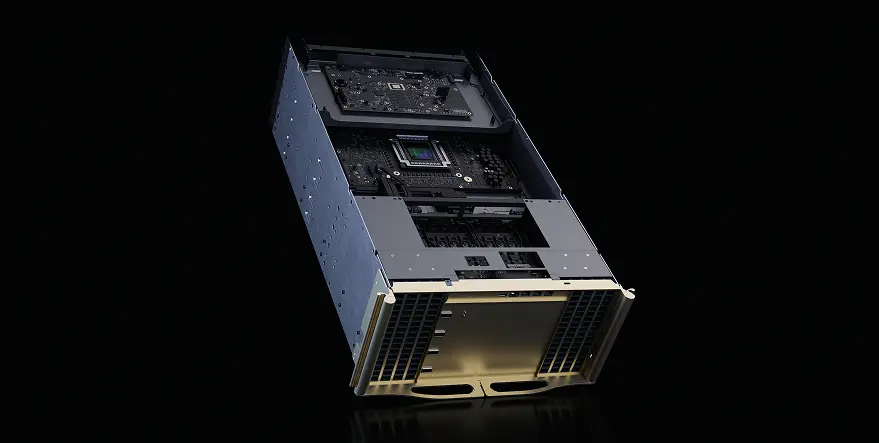
New CPO architecture cuts power and boosts reliability for AI clusters
The new switch relies on the Spectrum-6 chip and uses Co-Packaged Optics to integrate lasers directly with the silicon. NVIDIA designed this architecture specifically for ultra-scale generative AI systems that require high bandwidth and strict performance isolation. The company states the hardware supports infrastructure scaling from hundreds of thousands of GPUs to even larger deployments.
Specifications
- Technology: Co-Packaged Optics (CPO)
- Switch Chip: Spectrum-6
- Performance Claim: Global's first mass-produced 200G/lane CPO Ethernet switch system
- Laser Count Reduction: Reduced to one-quarter of traditional solutions
- Power Consumption Reduction: Reduced to one-fifth of traditional solutions
Co-Packaged Optics drastically changes the physical requirements of the switch. The design reduces the laser count to one-quarter of traditional solutions and cuts power consumption to one-fifth. These efficiency gains also improve reliability, with the mean time between failures increasing by ten times compared to older systems.
NVIDIA claims this is the world's first mass-produced 200G per lane CPO Ethernet switch system. The manufacturing effort involved a broad supply chain including Foxconn for assembly, TSMC for silicon photonics, and Lumentum for laser chips. This collaboration allows NVIDIA to deliver a product that balances performance with the energy constraints of modern AI factories.
NVIDIA announced today that the Spectrum-X Ethernet silicon-photon switch has officially entered full-scale mass production. This confirms the hardware is ready for deployment in large-scale AI infrastructure projects. The move marks a practical step toward more efficient and scalable data center networking.

Discussion
0 comments
Log in to join the thread with a thoughtful take, question, or correction.